Stay safe during your travels in Southeast Asia with these essential safety tips for tourists. Enjoy a worry-free trip.
Stay safe during your travels in Southeast Asia with these essential safety tips for tourists. Enjoy a worry-free trip.
Southeast Asia Travel Safety Tips for Tourists
Understanding Common Travel Risks in Southeast Asia
Southeast Asia is an incredible region, brimming with vibrant cultures, stunning landscapes, and delicious food. However, like any popular tourist destination, it comes with its own set of potential risks. Being aware of these common travel risks is the first step to a safe and enjoyable trip. We're talking about everything from petty theft and scams to more serious concerns like natural disasters and health issues. Don't let this deter you, though! With a little preparation and common sense, you can navigate these challenges like a seasoned pro.
Petty Theft and Scams Awareness for Travelers
Petty theft is probably the most common issue tourists face. This includes pickpocketing, bag snatching, and opportunistic theft, especially in crowded areas like markets, bus stations, and popular tourist sites. Keep your valuables secure and out of sight. A good rule of thumb is to only carry what you absolutely need for the day. Scams are also prevalent, ranging from inflated prices for taxis or goods to more elaborate schemes involving fake gems or tour operators. Always be skeptical of overly friendly strangers offering unsolicited help or deals that seem too good to be true. A quick online search for common scams in your specific destination can save you a lot of hassle.
Health and Medical Preparedness for Southeast Asia Travel
Health is another big one. Food and waterborne illnesses are common, so be mindful of what you eat and drink. Stick to bottled water, and be cautious with street food, ensuring it's cooked fresh and hot. Mosquito-borne diseases like dengue fever and malaria are also a concern in some areas, so pack plenty of insect repellent and consider mosquito nets if staying in basic accommodation. Before you go, consult your doctor about necessary vaccinations and any preventative medications. Travel insurance with good medical coverage is non-negotiable.
Natural Disasters and Environmental Safety in Southeast Asia
Southeast Asia is prone to natural disasters such as typhoons, earthquakes, and tsunamis, especially during certain seasons. While you can't prevent these, you can be prepared. Stay informed about local weather forecasts and heed any warnings from local authorities. Know the evacuation routes and emergency procedures for your accommodation. Also, be mindful of environmental safety when engaging in activities like swimming or hiking. Respect local wildlife and be aware of potential hazards like strong currents or venomous creatures.
Essential Pre-Trip Planning for a Safe Southeast Asia Journey
Preparation is key to a worry-free trip. The more you plan before you leave, the less you'll have to worry about when you're there. This isn't just about booking flights and hotels; it's about setting yourself up for success in terms of safety and security.
Comprehensive Travel Insurance for Southeast Asia Coverage
Seriously, don't even think about traveling without comprehensive travel insurance. It's your safety net for everything from lost luggage and flight cancellations to medical emergencies and even emergency evacuation. Look for policies that specifically cover activities you plan to do, like diving or trekking. Compare different providers to find one that offers robust medical coverage, including hospitalization and repatriation. Some popular options include World Nomads, SafetyWing, and Allianz Travel Insurance. World Nomads is often recommended for adventurous travelers due to its coverage for a wide range of activities. SafetyWing is great for digital nomads and long-term travelers, offering flexible monthly plans. Allianz is a well-known, reliable option with various plans to suit different needs. Prices vary widely based on your age, duration of travel, and coverage level, but expect to pay anywhere from $50 to $200+ for a two-week trip.
Visa Requirements and Entry Regulations for Southeast Asia Countries
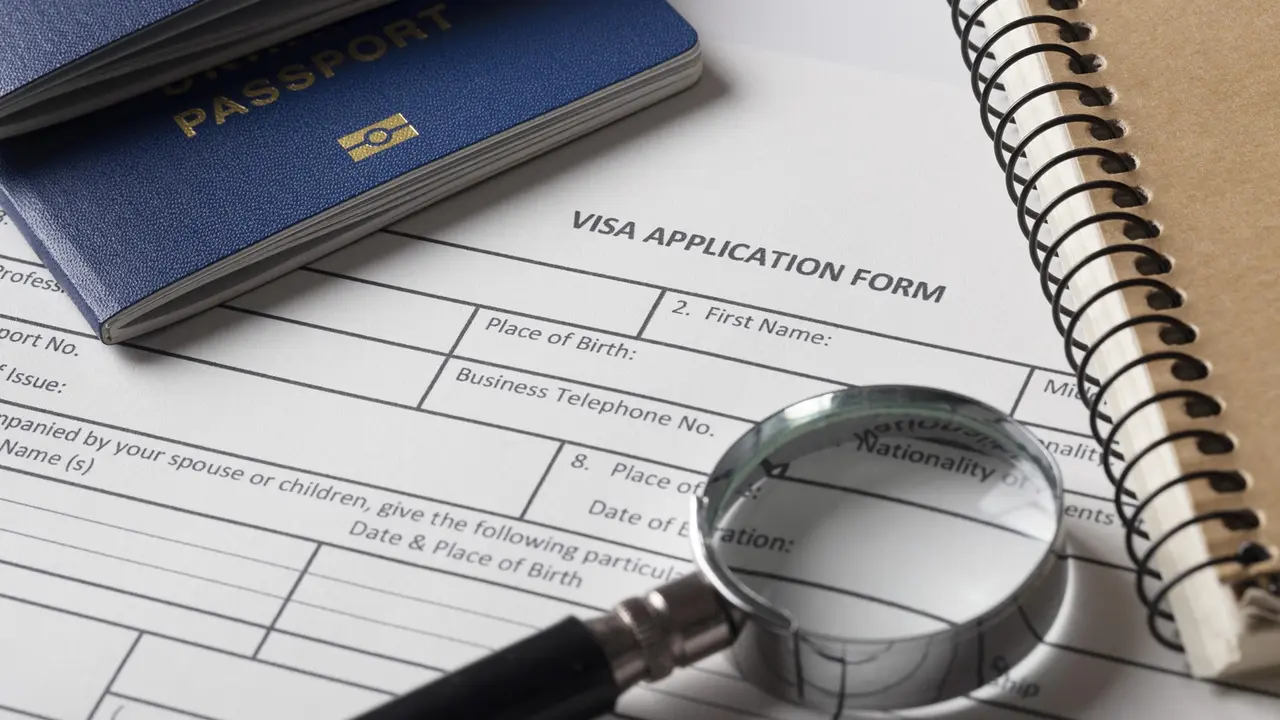
Each country in Southeast Asia has its own visa requirements. Some nationalities can enter visa-free for a certain period, while others need to apply in advance. Check the specific requirements for every country you plan to visit well before your departure date. Websites like VisaHQ or the official embassy websites are reliable sources. Make sure your passport is valid for at least six months beyond your intended departure date from Southeast Asia, as this is a common requirement.
Health Vaccinations and Medical Kit for Southeast Asia
Before you go, schedule an appointment with your doctor or a travel clinic at least 4-6 weeks in advance. They can advise you on necessary vaccinations like Hepatitis A and B, Typhoid, Tetanus, and Japanese Encephalitis, depending on your itinerary. They might also recommend malaria prophylaxis for certain regions. Pack a basic medical kit with essentials like pain relievers, anti-diarrhea medication, antiseptic wipes, band-aids, and any personal prescription medications. Don't forget insect repellent with DEET or picaridin.
Digital Security and Data Protection for Travelers
In today's digital age, protecting your online information is just as important as protecting your physical belongings. Use strong, unique passwords for all your online accounts. Consider using a VPN (Virtual Private Network) when connecting to public Wi-Fi networks to encrypt your data. ExpressVPN, NordVPN, and Surfshark are highly-rated VPN services. ExpressVPN is known for its speed and reliability, NordVPN for its strong security features, and Surfshark for its affordability and unlimited device connections. A monthly subscription typically ranges from $5 to $15. Also, back up important documents and photos to a cloud service before you leave, and avoid accessing sensitive information like online banking on public computers.
On-the-Ground Safety Practices in Southeast Asia Destinations
Once you're actually in Southeast Asia, it's all about smart choices and staying vigilant. These tips will help you navigate daily life safely and confidently.
Personal Safety and Situational Awareness in Crowded Areas
Always be aware of your surroundings, especially in crowded markets, tourist attractions, and public transport. Keep your bag in front of you or across your body, and avoid flashing expensive jewelry or electronics. If you're carrying a backpack, consider wearing it on your front in very crowded places. Trust your gut feeling; if a situation feels off, remove yourself from it. Avoid walking alone at night in poorly lit areas.
Safe Transportation Choices and Avoiding Scams
When it comes to transportation, always use reputable services. For taxis, look for metered cabs or use ride-hailing apps like Grab (very popular in Southeast Asia) which offer fixed prices and track your journey. Avoid unmarked taxis or drivers who approach you aggressively. For long-distance travel, choose established bus or train companies. Be wary of overly cheap tickets, as they might indicate an unreliable or unsafe service. Always negotiate prices for tuk-tuks or motorbike taxis before you start your journey.
Food and Water Safety Guidelines for Travelers
This is crucial for avoiding traveler's diarrhea. Stick to bottled water, and ensure the seal is unbroken. Avoid ice in drinks unless you're sure it's made from purified water. When eating street food, choose stalls that are busy and where food is cooked fresh in front of you. Look for vendors with good hygiene practices. If you're unsure, opt for cooked dishes rather than raw salads or fruits that haven't been peeled. Always wash your hands thoroughly before eating.
Respecting Local Culture and Laws for a Smooth Trip
Understanding and respecting local customs and laws is not just polite, it's also a safety measure. Dress modestly when visiting temples or religious sites. Always remove your shoes before entering someone's home or a temple. Public displays of affection might be frowned upon in some conservative areas. Drug laws are extremely strict in Southeast Asia, with severe penalties including long prison sentences or even the death penalty. Do not engage with drugs, even seemingly 'soft' ones. Be aware of local laws regarding alcohol consumption, especially in public places.
Emergency Preparedness and Response in Southeast Asia
Even with the best planning, emergencies can happen. Knowing what to do in a crisis can make a huge difference.
Emergency Contact Information and Communication Strategies
Before you leave, make a list of important emergency contacts: your travel insurance provider's 24/7 assistance line, your country's embassy or consulate in the countries you're visiting, and a trusted contact back home. Keep this list both digitally (on your phone and in the cloud) and physically (a printed copy in your wallet). Consider getting a local SIM card upon arrival; this makes it much easier to make local calls and use data for navigation or ride-hailing apps. Apps like WhatsApp are widely used for communication.
What to Do in Case of Theft or Loss of Documents
If your passport or valuables are stolen, report it to the local police immediately. Get a police report, as this will be essential for insurance claims and for getting a replacement passport. Contact your embassy or consulate as soon as possible; they can assist with emergency travel documents. For lost credit cards, immediately contact your bank to cancel them. Having photocopies or digital copies of your passport, visa, and credit cards stored securely online can speed up the replacement process.
Dealing with Medical Emergencies and Accessing Healthcare
In a medical emergency, your travel insurance provider should be your first call. They can guide you to approved medical facilities and help with payment arrangements. Research hospitals and clinics in your destination beforehand, especially in major cities. For minor ailments, local pharmacies are usually well-stocked and pharmacists can offer advice. Be prepared to pay upfront for medical services, even with insurance, and keep all receipts for reimbursement.
Navigating Natural Disasters and Local Emergency Protocols
Stay informed about local news and weather alerts. If a natural disaster occurs, follow the instructions of local authorities and your accommodation staff. Know the nearest safe zones or evacuation points. Your embassy or consulate will also issue advisories and can provide assistance to citizens during major events. Having a fully charged power bank and some emergency cash can be very helpful in these situations.
Recommended Safety Gear and Gadgets for Southeast Asia Travel
Beyond common sense, a few smart gadgets and pieces of gear can significantly enhance your safety and peace of mind.
Anti-Theft Backpacks and Secure Wallets for Valuables
Investing in an anti-theft backpack or a secure wallet can deter opportunistic thieves. These often feature slash-proof materials, lockable zippers, and RFID-blocking technology. Brands like Pacsafe and Travelon are leaders in this space. The Pacsafe Venturesafe EXP45 Anti-Theft Carry-On Travel Pack (around $180-220) is a popular choice, offering a spacious main compartment, eXomesh slashguard, and Roobar Sport locking system. For a smaller option, the Travelon Anti-Theft Classic Messenger Bag (around $50-70) is great for daily use. For wallets, the Pacsafe RFIDsafe V150 Anti-Theft RFID Blocking Compact Wallet (around $30-40) provides excellent protection for your cards and cash. These products are designed for use in crowded urban environments, public transport, and busy tourist sites where pickpocketing is common.
Portable Power Banks and Universal Travel Adapters
Keeping your phone charged is vital for navigation, communication, and emergencies. A high-capacity power bank is a must-have. The Anker PowerCore 20100mAh Portable Charger (around $50-60) can charge most smartphones multiple times. For a more compact option, the Anker PowerCore 10000mAh (around $30-40) is excellent. You'll also need a universal travel adapter with USB ports, as Southeast Asian countries use various plug types. The EPICKA Universal Travel Adapter (around $20-30) covers over 150 countries and includes multiple USB ports, making it perfect for charging all your devices simultaneously. These are essential for staying connected and powered up, whether you're on a long bus journey, exploring a remote area, or simply need to charge your phone in your hotel room.
Personal Safety Alarms and Door Stops for Accommodation Security
For an extra layer of personal security, consider a personal safety alarm. The SABRE Personal Safety Alarm with LED Light (around $10-15) emits a piercing 120dB siren to attract attention and deter attackers. It's small enough to attach to your keychain. For securing your accommodation, a portable door stop alarm can provide peace of mind, especially in guesthouses or budget hotels. The GE Personal Security Door Stop Alarm (around $15-20) is battery-operated and emits a loud alarm if the door is opened. These are useful for solo travelers, especially women, or anyone wanting an added sense of security in their room, particularly in less secure accommodations or when you want to ensure no one enters your room while you're sleeping.
Water Purification Bottles and Mosquito Repellent Devices
To avoid waterborne illnesses and reduce plastic waste, a water purification bottle is a game-changer. The LifeStraw Go Water Filter Bottle (around $40-50) filters out bacteria and parasites, making tap water safe to drink. The Grayl GeoPress Purifier Bottle (around $90-100) offers even more comprehensive filtration, including viruses. These are ideal for hiking, rural areas, or simply reducing reliance on single-use plastic bottles. For mosquito protection beyond sprays, consider a portable mosquito repellent device like the Thermacell MR300 Portable Mosquito Repeller (around $25-35). It creates a 15-foot zone of protection, perfect for evenings on a patio or camping. These are invaluable for outdoor activities, jungle treks, or simply enjoying an evening meal outdoors without being bothered by mosquitoes, which can carry diseases like dengue.
:max_bytes(150000):strip_icc()/277019-baked-pork-chops-with-cream-of-mushroom-soup-DDMFS-beauty-4x3-BG-7505-5762b731cf30447d9cbbbbbf387beafa.jpg)