Visa Requirements for Cultural Exchange Programs
Understand the visa requirements for participating in cultural exchange programs. Essential information for immersive travel.
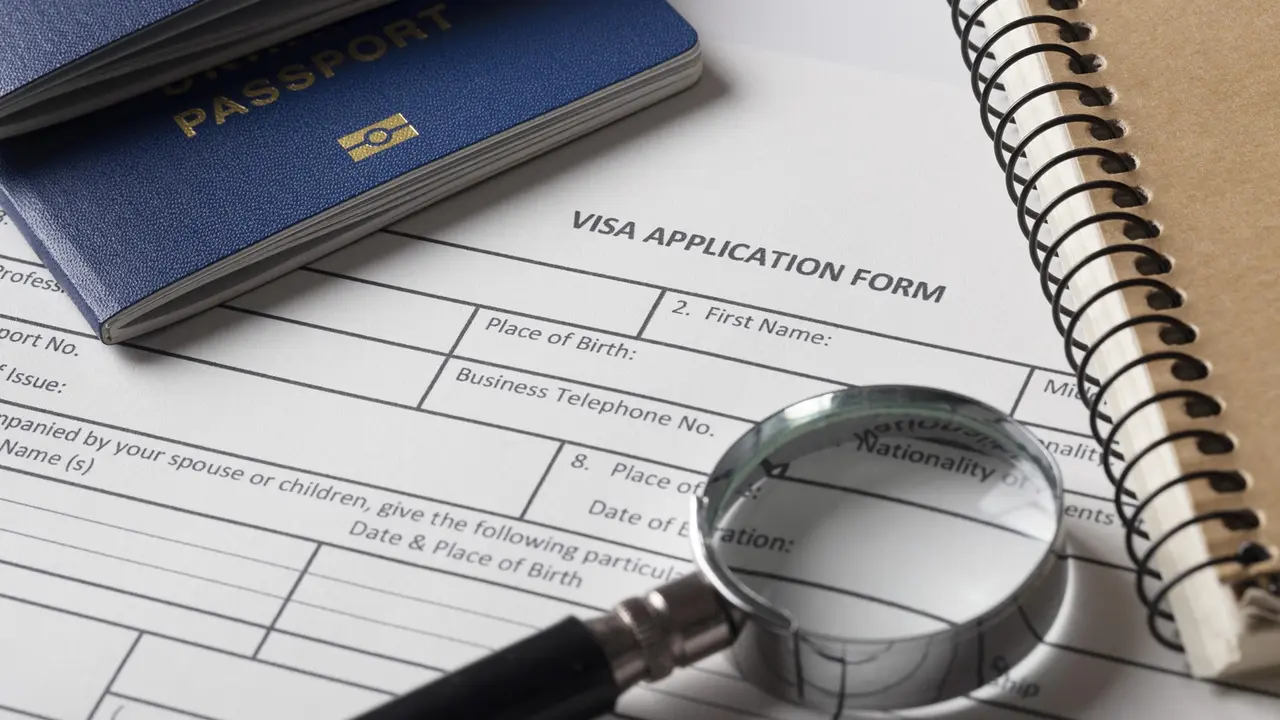
Understand the visa requirements for participating in cultural exchange programs. Essential information for immersive travel.
Visa Requirements for Cultural Exchange Programs Your Essential Guide
So, you're dreaming of an immersive cultural exchange, right? Maybe you want to teach English in Thailand, volunteer at a historical site in Italy, or study traditional music in Japan. Cultural exchange programs offer incredible opportunities to dive deep into a new culture, learn a language, and make lifelong connections. But before you pack your bags and book your flight, there's one crucial step you absolutely cannot skip: understanding and securing the correct visa. This isn't just a formality; it's the legal gateway to your adventure. Getting it wrong can lead to delays, denied entry, or even being sent home. Let's break down everything you need to know about visa requirements for cultural exchange programs, including specific examples, common pitfalls, and how to navigate the often-complex application process.
Understanding Cultural Exchange Visas What Are They and Why Do They Matter
First off, what exactly is a cultural exchange visa? Unlike a tourist visa, which is typically for short-term leisure travel, or a work visa, which is for long-term employment, a cultural exchange visa (often called a J-1 visa in the US, or similar categories in other countries) is specifically designed for individuals participating in programs that promote cultural understanding and educational exchange. These programs can range from internships, au pair placements, summer work and travel, teaching assistantships, and specialized training. The key differentiator is the reciprocal nature of the exchange – you're not just visiting; you're actively participating and contributing to a cultural dialogue.
Why do they matter so much? Because they define your legal status in the host country. Without the correct visa, you might be engaging in activities (like volunteering or interning) that are not permitted under a tourist visa. This can have serious consequences, including deportation, fines, and being barred from re-entering the country in the future. Plus, many programs require you to have the appropriate visa before you can even start, as it often dictates your eligibility for local services, insurance, and even opening a bank account.
Common Types of Cultural Exchange Programs and Their Visa Implications
Cultural exchange is a broad term, encompassing a variety of activities. The type of program you choose will heavily influence the specific visa you need. Let's look at some popular categories and their general visa implications:
Teaching English Abroad Visa Requirements for Educators
Teaching English as a Foreign Language (TEFL) is one of the most popular cultural exchange avenues. Countries like South Korea, Japan, China, Vietnam, and many in Latin America actively recruit native English speakers. For these programs, you'll almost always need a specific work or cultural exchange visa. For example:
- South Korea: Often requires an E-2 (Foreign Language Instructor) visa. This typically involves a university degree, a TEFL certificate, and a clean criminal record. The school sponsoring you will usually assist with the application.
- Japan: The JET (Japan Exchange and Teaching) Program often uses a 'Cultural Activities' visa or a 'Instructor' visa. If you're going through a private language school, they'll usually sponsor a 'Specialist in Humanities/International Services' visa.
- Vietnam: Often requires a business visa (DN) which is then converted to a temporary residence card, or a work permit and subsequent visa. Requirements can vary and are subject to change.
Key takeaway: For teaching roles, expect a more rigorous application process, often requiring sponsorship from your employer and extensive documentation of your qualifications.
Volunteer Programs Visa Needs for Giving Back
Volunteering can range from short-term conservation efforts to long-term community development. The visa requirements here can be tricky. If you're volunteering for a short period (e.g., less than 90 days) and not receiving any payment beyond basic living expenses, some countries might allow you to enter on a tourist visa. However, many countries are cracking down on this to prevent exploitation or undeclared work. For longer-term or more structured volunteer programs, a specific volunteer visa or cultural exchange visa is often required.
- European Union (Schengen Area): For non-EU citizens, short-term volunteering might be possible on a Schengen tourist visa, but if the program involves any form of 'work' or extends beyond 90 days, a national visa (e.g., a long-stay visa for volunteering) will be necessary. Organizations like the European Solidarity Corps often have specific visa pathways.
- Australia: The 'Working Holiday Visa' (Subclass 417 or 462) is popular for those who want to volunteer and travel, as it allows for incidental work. For pure volunteering, a 'Visitor Visa' might suffice for short stints, but always check with the specific program and embassy.
Key takeaway: Always clarify with your volunteer organization and the embassy whether your activities are permissible under a tourist visa. When in doubt, apply for a dedicated volunteer or cultural exchange visa.
Internship and Trainee Programs Visa Pathways for Professional Development
Internships and trainee programs are fantastic for gaining international work experience. These almost always require a specific visa, as you'll be engaging in activities that resemble employment, even if unpaid. The US J-1 visa has several categories for interns and trainees, for example.
- United States (J-1 Visa): This is the primary visa for cultural exchange in the US. It has various categories, including 'Intern' and 'Trainee.' You must be sponsored by a designated organization (like Cultural Vistas, Intrax, or CIEE) that issues a DS-2019 form, which is essential for your visa application.
- Germany: For internships, you might need a 'National Visa for Internship' (Visum für ein Praktikum). This often requires an internship agreement, proof of financial means, and health insurance.
Key takeaway: For internships and traineeships, a sponsoring organization is almost always a prerequisite, and they will guide you through the specific visa category.
Au Pair Programs Visa Considerations for Childcare and Cultural Immersion
Au pair programs combine childcare with cultural immersion, often involving living with a host family. These programs typically have specific visa categories due to the nature of the work and the cultural exchange component.
- France: The 'Long Stay Visa for Au Pair' (Visa de long séjour 'jeune au pair') is required. This involves an au pair agreement, proof of enrollment in a French language course, and financial guarantees.
- Germany: Similar to France, Germany has a specific 'Au Pair Visa' (Visum für Au-pair-Aufenthalte). Requirements include an au pair contract, basic German language skills, and age limits.
Key takeaway: Au pair visas are highly regulated, with strict age limits, contract requirements, and often language proficiency expectations.
General Visa Application Process A Step by Step Guide
While specific requirements vary by country and program, the general visa application process for cultural exchange programs often follows a similar pattern:
- Program Acceptance: Get accepted into a recognized cultural exchange program. This is usually the first and most important step, as the program often provides crucial documentation.
- Sponsorship Documentation: Your program sponsor will provide you with necessary documents. For the US J-1 visa, this is the DS-2019 form. For other countries, it might be an invitation letter, a contract, or a certificate of sponsorship.
- Gather Required Documents: This is where the real work begins. Expect to need:
- Valid passport (with sufficient validity, usually 6 months beyond your intended stay).
- Completed visa application form.
- Passport-sized photos (meeting specific requirements).
- Proof of financial means (bank statements, scholarship letters, sponsor's financial statements).
- Proof of health insurance (often a specific type required by the host country).
- Program acceptance letter/contract.
- Educational certificates/transcripts.
- Criminal record check (often required for teaching or childcare roles).
- Proof of onward travel (sometimes).
- Visa application fee.
- Schedule an Interview: Many cultural exchange visas require an in-person interview at the embassy or consulate in your home country. Be prepared to discuss your program, your intentions, and your ties to your home country.
- Attend the Interview: Dress professionally, be polite, and answer all questions honestly and clearly. Bring all your original documents.
- Wait for Processing: Visa processing times can vary significantly, from a few days to several weeks or even months. Apply well in advance!
- Visa Issuance: Once approved, your visa will be stamped in your passport. Double-check all details immediately.
Key Considerations and Potential Pitfalls Navigating the Visa Maze
The visa process can be daunting, and there are several common issues that can trip up applicants. Being aware of these can save you a lot of stress and potential heartbreak.
Financial Requirements and Proof of Funds Securing Your Stay
Almost all long-term visas, including cultural exchange visas, require proof that you can financially support yourself during your stay. This is to ensure you won't become a burden on the host country's social services. The amount required varies greatly by country and length of stay. You might need to show bank statements, a letter from a scholarship provider, or a notarized letter from a parent or guardian guaranteeing financial support, along with their bank statements. Make sure your funds are easily accessible and clearly documented.
Health Insurance Requirements Protecting Your Well-being Abroad
This is a big one. Many countries, especially in Europe, have very strict requirements for health insurance for long-stay visas. A basic travel insurance policy might not be enough. You often need a policy that covers a certain minimum amount (e.g., €30,000 for Schengen visas), includes repatriation, and covers the entire duration of your stay. Your program might offer a specific insurance plan, or you might need to purchase one independently. Do not skimp on this; medical costs abroad can be astronomical.
Criminal Record Checks Ensuring Eligibility
For programs involving vulnerable populations (like teaching children or working with the elderly) or for longer stays, a criminal record check (often called a police clearance certificate or background check) is a standard requirement. This usually needs to be obtained from your home country and sometimes from any country where you've lived for a significant period. Ensure it's recent and, if required, apostilled or legalized.
Ties to Home Country Proving Your Intent to Return
Consular officers want to be sure you intend to return to your home country after your program ends. This is particularly true for non-immigrant visas. You might be asked to provide evidence of 'ties to home,' such as property ownership, family responsibilities, a job offer for your return, or enrollment in a university program. While not always explicitly listed, having these ready can strengthen your application.
Processing Times and Application Deadlines Planning Ahead
Never underestimate how long visa processing can take. Some embassies are notoriously slow. Always check the current processing times for the specific embassy or consulate where you'll be applying. Apply well in advance of your intended travel date – ideally, several months. Missing a deadline or having your visa delayed can mean missing the start of your program or even having to cancel your trip.
Language Requirements Communicating Effectively
For some cultural exchange programs, especially those involving study or direct interaction with the local community, you might need to demonstrate a certain level of proficiency in the host country's language. This could be through a language test (like IELTS for English, DELF for French, Goethe-Zertifikat for German) or a letter from your program confirming your language abilities. Even if not required, learning some basic phrases will significantly enhance your experience.
Specific Visa Products and Services Assisting Your Application
While you're ultimately responsible for your visa application, several services and products can help streamline the process, especially for complex cases or specific program types. These aren't always necessary, but they can be incredibly useful.
Visa Agencies and Consultants Professional Guidance for Complex Cases
For those who find the visa process overwhelming or have unique circumstances, a visa agency or consultant can be a lifesaver. These companies specialize in navigating international immigration laws and can help you prepare your application, review documents, and even submit them on your behalf. They charge a fee, but for peace of mind and to avoid costly mistakes, it can be a worthwhile investment.
- Example Product: CIBTvisas
- Use Case: You're applying for a complex visa for a country with frequently changing requirements, or you simply don't have the time to manage the intricate details yourself. CIBTvisas offers services for a wide range of countries and visa types, including cultural exchange.
- Comparison: They are one of the largest and most reputable global visa services. Their strength lies in their extensive knowledge base and ability to handle urgent requests. They often have direct contacts with embassies.
- Estimated Cost: Service fees can range from $100 to several hundred dollars, depending on the complexity and urgency, in addition to the official visa fees.
Travel Insurance Providers Specialized Policies for Exchange Programs
As mentioned, standard travel insurance might not cut it. Many providers offer specific plans tailored for students, long-term travelers, or those on cultural exchange programs, which meet the stringent requirements of host countries.
- Example Product: World Nomads Explorer Plan
- Use Case: You need comprehensive health coverage that meets visa requirements, plus coverage for adventure activities often associated with cultural exchange (e.g., hiking, volunteering). The Explorer Plan offers higher coverage limits and more benefits than their standard plan.
- Comparison: World Nomads is highly regarded for its flexibility and coverage for a wide range of activities. They allow you to buy or extend policies while already traveling, which is a huge plus for long-term exchange.
- Estimated Cost: Varies significantly based on age, duration, destination, and chosen coverage level. A 6-month policy for a young adult could range from $400 to $800+.
- Example Product: GeoBlue Voyager Choice
- Use Case: You're a US citizen needing robust international health insurance that specifically meets J-1 visa requirements or similar high-standard mandates. GeoBlue specializes in international health insurance.
- Comparison: GeoBlue is known for its extensive network of doctors and hospitals worldwide, direct billing, and excellent customer service. It's often a premium option but provides top-tier coverage.
- Estimated Cost: Can be higher than general travel insurance, often $100-$200+ per month, depending on age and deductible.
Language Proficiency Test Providers Demonstrating Your Skills
If your program or visa requires proof of language proficiency, you'll need to take an official test. These are standardized and recognized globally.
- Example Product: IELTS (International English Language Testing System)
- Use Case: You need to prove your English language proficiency for a program in an English-speaking country (e.g., UK, Australia, Canada, USA) or for a program taught in English elsewhere.
- Comparison: IELTS is widely accepted by academic institutions and immigration authorities worldwide. It assesses listening, reading, writing, and speaking skills. TOEFL is its main competitor, often preferred in the US.
- Estimated Cost: Approximately $200-$250 USD, depending on the country where you take the test.
- Example Product: Goethe-Zertifikat (German)
- Use Case: You need to demonstrate German language skills for an au pair program, internship, or study program in Germany or other German-speaking countries.
- Comparison: The Goethe-Institut offers a range of exams from A1 (beginner) to C2 (proficient), recognized globally.
- Estimated Cost: Varies by level and location, typically €100-€250.
Background Check Services Streamlining Your Criminal Record Check
For countries requiring a criminal record check, especially if you've lived in multiple places, a service that consolidates this can be helpful.
- Example Product: FBI Identity History Summary Check (for US citizens)
- Use Case: Many foreign governments require an FBI background check for US citizens applying for long-term visas, including cultural exchange.
- Comparison: This is the official federal background check for US citizens. You can apply directly or use an FBI-approved channeler for faster processing.
- Estimated Cost: $18 for direct FBI application; channelers charge an additional service fee, typically $50-$70.
Post-Visa Considerations What Happens After Approval
Getting your visa is a huge relief, but your responsibilities don't end there. There are a few things to keep in mind once your visa is stamped in your passport:
Visa Validity and Duration Understanding Your Stay Limits
Pay close attention to the validity dates on your visa. This indicates when you can enter and when you must leave the country. Overstaying your visa, even by a day, can lead to serious penalties, including fines, detention, and future travel bans. If you need to extend your stay, start the extension process well in advance of your visa's expiration date.
Registration Upon Arrival Fulfilling Local Requirements
Many countries require foreign nationals on long-term visas to register with local authorities (e.g., police, immigration office) shortly after arrival. This is a common requirement in Europe and Asia. Your program sponsor or host family should provide guidance on this, but it's your responsibility to ensure it's done. Failure to register can result in fines or other legal issues.
Work Restrictions and Permitted Activities Staying Within Your Visa's Scope
Your cultural exchange visa will specify what activities you are permitted to engage in. For example, a J-1 intern visa allows for an internship, but not necessarily full-time employment outside of that internship. A volunteer visa might not permit any paid work. Always adhere to these restrictions. Engaging in unauthorized work or activities can lead to your visa being revoked and deportation.
Maintaining Your Status Adhering to Program Rules
Your visa is often tied to your participation in a specific cultural exchange program. If you withdraw from the program, change programs without authorization, or fail to meet program requirements, your visa status could be jeopardized. Always communicate any changes with your program sponsor and, if necessary, the immigration authorities.
Final Thoughts on Your Cultural Exchange Visa Journey
Embarking on a cultural exchange program is an incredibly enriching experience, but the visa process is a critical hurdle to clear. Treat it with the seriousness it deserves. Start early, gather all required documents meticulously, and don't hesitate to seek clarification from your program sponsor or the embassy/consulate if you're unsure about anything. While it can feel like a lot of paperwork and waiting, successfully navigating the visa requirements is your first step towards an unforgettable journey of discovery and personal growth. Happy travels!
:max_bytes(150000):strip_icc()/277019-baked-pork-chops-with-cream-of-mushroom-soup-DDMFS-beauty-4x3-BG-7505-5762b731cf30447d9cbbbbbf387beafa.jpg)