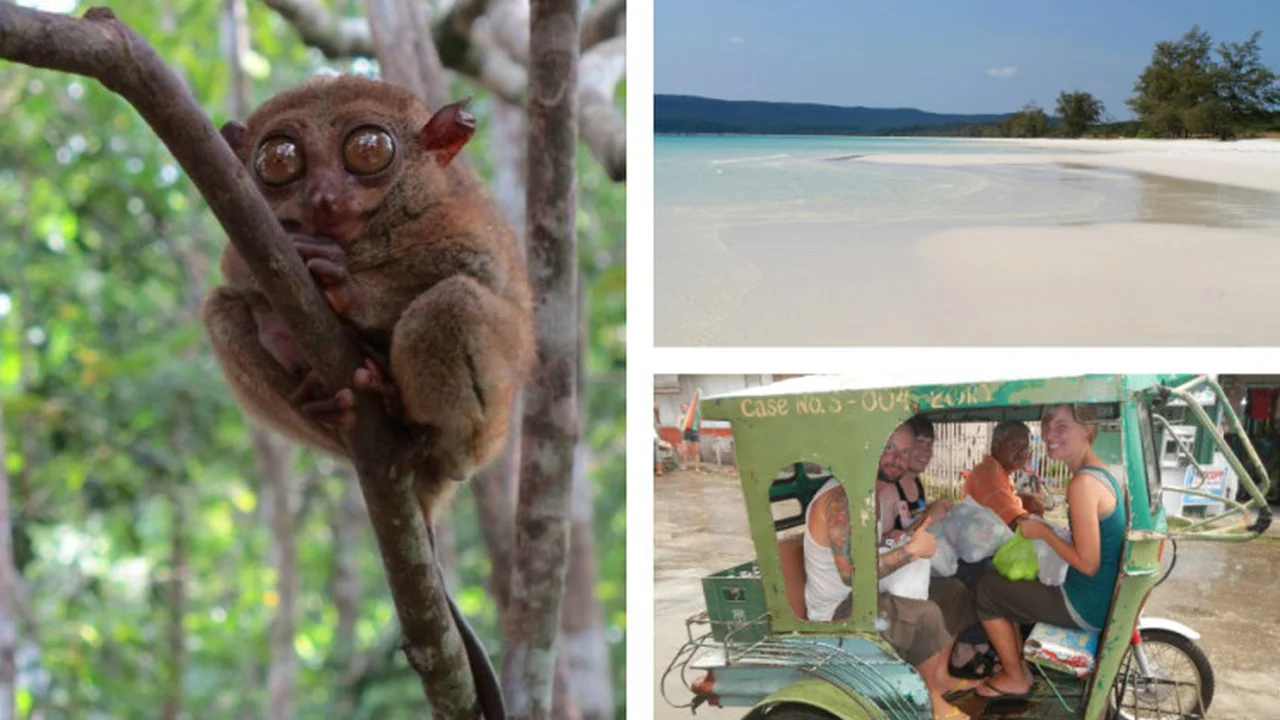
Comparing Backpacking vs Luxury Travel in Southeast Asia
Decide between budget backpacking and luxurious escapes in Southeast Asia. Explore options for every travel style.
Decide between budget backpacking and luxurious escapes in Southeast Asia. Explore options for every travel style.
Comparing Backpacking vs Luxury Travel in Southeast Asia
Southeast Asia is a dream destination for many, offering a vibrant tapestry of cultures, breathtaking landscapes, and delicious cuisine. But when it comes to planning your trip, a fundamental question arises: should you embrace the freedom and frugality of backpacking, or indulge in the comfort and pampering of luxury travel? Both styles offer unique advantages and disadvantages, catering to different preferences, budgets, and travel goals. Let's dive deep into a comprehensive comparison to help you decide which path is right for your Southeast Asian adventure.
Budget Backpacking Southeast Asia Exploring Affordability and Adventure
Backpacking in Southeast Asia is almost a rite of passage for many young travelers and budget-conscious adventurers. It's synonymous with freedom, spontaneity, and an immersive cultural experience. The allure lies in stretching your money further, allowing for longer trips and more authentic encounters with local life.
Accommodation Choices for Backpackers Hostels Guesthouses and Homestays
When backpacking, accommodation is primarily about function and cost-effectiveness. Hostels are king, offering dormitory beds for as little as $5-15 USD per night in many countries like Vietnam, Cambodia, and Laos. They're fantastic for meeting other travelers, sharing tips, and finding travel buddies. Private rooms in guesthouses or homestays can range from $15-30 USD, providing a bit more privacy without breaking the bank. Websites like Hostelworld, Booking.com, and Agoda are indispensable for finding these budget-friendly options.
Product Recommendation:
- Hostelworld App: Free. Essential for finding and booking hostels with user reviews and ratings.
- Booking.com App: Free. Great for guesthouses and budget hotels, often with free cancellation options.
- Agoda App: Free. Particularly strong in Southeast Asia for a wide range of budget accommodations.
Transportation for Backpackers Buses Trains and Scooters
Getting around as a backpacker often involves local transportation. Long-distance buses are incredibly cheap, though sometimes less comfortable and slower. Train travel, where available (like in Thailand and Vietnam), offers a more scenic and often more comfortable experience for a slightly higher price. Renting a scooter is a popular, adventurous, and very affordable way to explore smaller towns and islands, typically costing $5-10 USD per day. However, safety should always be a priority, and international driving permits are often required.
Product Recommendation:
- 12Go Asia: Website/App. Excellent for booking buses, trains, and ferries across Southeast Asia. Prices vary by route and class.
- Grab App: Free. Southeast Asia's answer to Uber, offering ride-hailing for cars and motorbikes, food delivery, and more. Prices are very competitive.
- Local Scooter Rentals: Typically found on arrival. Always check the scooter's condition, wear a helmet, and ensure your travel insurance covers motorbike accidents. Daily rental usually $5-10 USD.
Food and Activities for Backpackers Street Food and Free Attractions
Food is where backpackers truly thrive. Southeast Asia's street food scene is legendary – delicious, diverse, and incredibly cheap. You can easily eat a full meal for $1-5 USD. Local markets and small eateries offer authentic flavors at rock-bottom prices. Activities often revolve around free or low-cost options: exploring temples, hiking, swimming at beaches, and simply soaking in the local atmosphere. Entrance fees to major attractions are generally affordable, ranging from $2-15 USD.
Product Recommendation:
- TripAdvisor App: Free. Useful for finding highly-rated local eateries and free attractions.
- Google Maps: Free. Essential for navigation and discovering nearby points of interest.
- Local Cooking Classes: A popular activity, typically costing $20-40 USD, offering a hands-on cultural experience.
Pros of Backpacking Freedom Flexibility and Cultural Immersion
The biggest draw of backpacking is the unparalleled freedom and flexibility. You can change your plans on a whim, follow new friends to unexpected destinations, and truly live in the moment. It fosters a sense of independence and resilience. The cultural immersion is deeper, as you're often interacting more with locals and experiencing life closer to the ground level. It's also incredibly social, making it easy to meet like-minded travelers.
Cons of Backpacking Comfort Compromises and Planning Challenges
Backpacking isn't without its drawbacks. Comfort is often sacrificed for cost – think cramped bus rides, basic amenities, and shared dorms. There can be more logistical challenges, as you're often figuring things out on the fly. Safety can be a greater concern, especially for solo travelers, though Southeast Asia is generally safe. The constant movement and decision-making can also be tiring for some.
Luxury Travel Southeast Asia Indulgence Comfort and Seamless Experiences
Luxury travel in Southeast Asia offers a stark contrast to backpacking. It's about comfort, convenience, personalized service, and indulging in the finer things. While it comes with a higher price tag, it promises a stress-free and often more exclusive experience.
Accommodation Choices for Luxury Travelers Resorts Boutique Hotels and Villas
Luxury accommodations range from opulent five-star resorts with infinity pools and private beaches to charming boutique hotels and secluded private villas. Expect plush bedding, exquisite dining options, spa services, and impeccable customer service. Prices can start from $100-200 USD per night and easily go upwards of $500-1000+ USD for ultra-luxury options. Websites like Luxury Escapes, Mr & Mrs Smith, and direct hotel websites are best for these bookings.
Product Recommendation:
- Four Seasons Hotels and Resorts: Premium luxury with exceptional service. Prices vary significantly by location, often $400+ USD/night.
- The Ritz-Carlton: Renowned for its elegance and personalized service. Similar pricing to Four Seasons.
- Anantara Hotels Resorts & Spas: Strong presence in Southeast Asia, offering luxury with a local touch. Prices typically $250+ USD/night.
- Airbnb Luxe: For curated high-end homes and villas. Prices vary widely based on property and location.
Transportation for Luxury Travelers Private Transfers and Premium Flights
Luxury travelers prioritize efficiency and comfort in transportation. This often means private airport transfers, chauffeured cars for inter-city travel, and business or first-class flights for longer distances. Domestic flights are frequently used to minimize travel time between destinations. Speedboats for island transfers are common, often arranged directly through resorts. The focus is on seamless transitions and avoiding any hassle.
Product Recommendation:
- Blacklane: Global chauffeur service for airport transfers and hourly bookings. Prices vary by city and vehicle type.
- Local Luxury Tour Operators: Many high-end travel agencies specialize in private transfers and bespoke itineraries.
- Airline Business/First Class: For example, Singapore Airlines, Cathay Pacific, Emirates offer premium cabins with superior comfort and service. Prices are significantly higher than economy.
Food and Activities for Luxury Travelers Fine Dining and Exclusive Experiences
Dining for luxury travelers often involves Michelin-starred restaurants, fine dining experiences, and private chef services. Exclusive activities might include private yacht charters, bespoke cultural tours with expert guides, hot air balloon rides, or personalized spa retreats. The emphasis is on unique, high-quality experiences that are often pre-arranged and tailored to individual preferences.
Product Recommendation:
- Michelin Guide App: Free. Discover and book tables at top-rated restaurants.
- Private Cooking Classes: Often offered by luxury hotels or specialized culinary schools, providing a more intimate experience. Prices typically $100+ USD.
- Exclusive Tour Operators: Companies like Abercrombie & Kent or Scott Dunn specialize in crafting bespoke luxury itineraries and experiences.
Pros of Luxury Travel Comfort Convenience and Exclusivity
The primary benefits of luxury travel are unparalleled comfort and convenience. Every detail is often taken care of, from airport pickups to personalized itineraries. You can relax and enjoy your trip without worrying about logistics. It offers a sense of exclusivity, with access to private spaces and unique experiences not available to the general public. Service is typically exceptional, anticipating your every need.
Cons of Luxury Travel Cost Limited Spontaneity and Less Local Interaction
The most obvious downside is the significantly higher cost, which can limit the duration or scope of your trip. Luxury travel can also be less spontaneous, as many exclusive experiences require advance booking. While you might experience local culture through curated tours, the level of organic, day-to-day interaction with locals might be less compared to backpacking.
Hybrid Travel Blending Backpacking and Luxury for the Best of Both Worlds
Many travelers find that a hybrid approach offers the best of both worlds. This involves strategically combining elements of backpacking and luxury travel to create a personalized and balanced experience. For example, you might backpack for a few weeks, staying in hostels and eating street food, then splurge on a few nights in a luxury resort to recharge. Or, you might opt for budget flights but treat yourself to a private transfer upon arrival. This approach allows for both adventure and indulgence, tailored to your preferences and budget.
Strategic Splurges and Budgeting Tips for Hybrid Travelers
The key to hybrid travel is strategic budgeting. Identify what aspects of your trip are most important for comfort or experience, and allocate more funds there. For instance, if a comfortable bed is crucial, opt for private rooms in guesthouses instead of dorms. If you're a foodie, allocate more to fine dining experiences while saving on transportation. Using a travel budgeting app can help keep track of your spending.
Product Recommendation:
- TripIt Pro: Subscription service ($49/year). Organizes all your travel plans, alerts you to flight changes, and helps track expenses.
- You Need A Budget YNAB: Budgeting software ($14.99/month or $99/year). Excellent for detailed financial planning and tracking.
- Splitwise App: Free. Great for splitting costs with travel companions, useful for group hybrid trips.
Making Your Choice Personal Preferences and Travel Goals
Ultimately, the choice between backpacking and luxury travel in Southeast Asia depends entirely on your personal preferences, travel goals, and budget. If you crave adventure, spontaneity, deep cultural immersion, and don't mind roughing it a bit, backpacking is likely for you. If comfort, convenience, personalized service, and exclusive experiences are your priority, and you have the budget for it, then luxury travel will be more appealing. For those who want a taste of both, a hybrid approach offers a fantastic compromise.
Consider the duration of your trip, who you're traveling with, and what kind of memories you want to create. Southeast Asia is incredibly versatile, capable of delivering an unforgettable experience no matter your chosen travel style. So, weigh your options, plan wisely, and get ready for an incredible journey!
:max_bytes(150000):strip_icc()/277019-baked-pork-chops-with-cream-of-mushroom-soup-DDMFS-beauty-4x3-BG-7505-5762b731cf30447d9cbbbbbf387beafa.jpg)