Family Friendly Cultural Experiences
Discover engaging cultural experiences suitable for the whole family. Introduce children to diverse traditions.

Discover engaging cultural experiences suitable for the whole family. Introduce children to diverse traditions.
Family Friendly Cultural Experiences
Traveling with family, especially with kids, can be an incredible opportunity to broaden horizons and create lasting memories. While theme parks and beaches are always a hit, introducing children to diverse traditions and cultures offers a deeper, more enriching travel experience. It's about more than just seeing new places; it's about understanding different ways of life, fostering empathy, and sparking a lifelong curiosity about the world. But how do you make cultural experiences engaging and fun for the whole family, from toddlers to teens? It’s all about choosing the right activities, preparing your kids, and finding tools that make the learning process enjoyable.
Why Cultural Travel Matters for Families and Kids
Before we dive into specific experiences, let's quickly touch on why cultural travel is so beneficial for young minds. Exposure to different cultures helps children develop a global perspective, teaching them that not everyone lives, eats, or thinks the same way they do. It encourages adaptability, problem-solving skills, and an appreciation for diversity. It can also make history come alive in a way textbooks never could, turning abstract concepts into tangible, memorable experiences. For parents, it’s a chance to bond over shared discoveries and model open-mindedness.
Choosing the Right Cultural Experiences for Your Family Travel Style
Not all cultural experiences are created equal, especially when you have kids in tow. The key is to select activities that are age-appropriate, interactive, and not overly long or lecture-heavy. Think hands-on rather than just looking. Here are some categories to consider:
Interactive Museums and Children's Museums for Cultural Learning
Forget dusty exhibits and 'do not touch' signs. Many modern museums are designed with families in mind, offering interactive displays, workshops, and even dedicated children's sections that focus on cultural themes. These can be fantastic starting points for introducing new concepts.
- Examples: The Children's Museum of Indianapolis often features exhibits on world cultures. The British Museum in London has family trails and activity packs. The National Museum of Anthropology in Mexico City, while vast, has specific sections and guided tours that can be tailored for younger audiences, focusing on artifacts and stories rather than dense historical texts.
- What to look for: Hands-on activities, dress-up areas, storytelling sessions, scavenger hunts, and interactive digital displays.
Cooking Classes and Food Tours for Culinary Culture Exploration
Food is a universal language, and a fantastic gateway to understanding a culture. Kids often love getting messy in the kitchen, and trying new foods can be an adventure in itself. A cooking class or a family-friendly food tour can be incredibly rewarding.
- Examples: In Italy, many agriturismos offer pasta-making classes for families. In Thailand, you can find cooking schools that teach kids to make spring rolls or pad Thai. Even a local market visit can be a cultural experience, allowing kids to see and smell new ingredients.
- What to look for: Classes specifically advertised as 'family-friendly' or 'kid-friendly.' Shorter durations, simple recipes, and a focus on tasting.
Traditional Arts and Crafts Workshops for Creative Cultural Immersion
Engaging in traditional crafts allows children to create something tangible while learning about the artistic heritage of a place. It’s a wonderful way to connect with local artisans and bring home a unique, handmade souvenir.
- Examples: Pottery painting in Greece, batik fabric dyeing in Indonesia, mask making in Venice, or even learning calligraphy in Japan. Many cultural centers or local artisan studios offer these types of workshops.
- What to look for: Workshops that allow for individual creativity, provide all materials, and have instructors who are good with children.
Storytelling and Performance Arts for Engaging Cultural Narratives
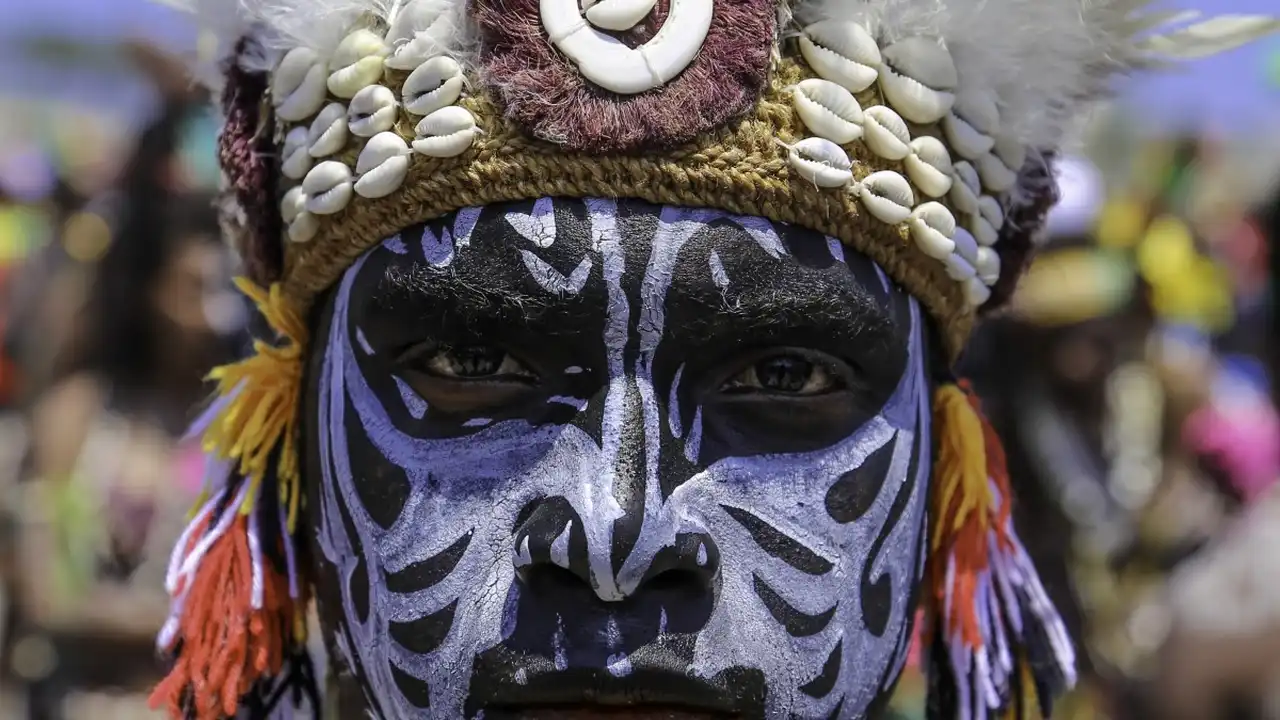
Stories, music, and dance are integral to every culture. Attending a traditional performance or a storytelling session can be captivating for children, bringing myths, legends, and historical events to life.
- Examples: Puppet shows in Vietnam, Balinese dance performances, traditional Irish music sessions, or even local folk tales told by a community elder.
- What to look for: Shorter performances, vibrant costumes, engaging music, and clear narratives (even if you don't understand the language, the visual aspect can be powerful).
Local Festivals and Celebrations for Immersive Cultural Experiences
If your travel dates align, attending a local festival can be an unparalleled cultural experience. The energy, the colors, the music, and the food create an unforgettable atmosphere that kids will adore.
- Examples: Holi in India (the festival of colors), Carnival in Brazil, Chinese New Year celebrations, or even smaller local harvest festivals.
- What to look for: Research festivals in advance. Consider the crowd levels and whether the activities are suitable for your children's ages and temperaments.
Homestays and Community-Based Tourism for Authentic Cultural Connections
For families seeking a deeper immersion, a homestay or participating in community-based tourism can offer incredible insights into daily life. This is often best for slightly older children who can adapt more easily.
- Examples: Staying with a local family in a rural village in Peru, participating in a farm stay in Ireland, or joining a responsible tourism project that supports local communities in Southeast Asia.
- What to look for: Reputable organizations that vet host families and ensure safe, comfortable environments. Clear communication about expectations and cultural norms.
Preparing Your Family for Cultural Adventures and Travel
Preparation is key to making cultural experiences enjoyable for everyone. A little groundwork can turn potential meltdowns into moments of wonder.
Pre-Trip Research and Storytelling for Kids
Before you even leave, start building excitement and knowledge. Read books about your destination, watch documentaries, or look at pictures together. Talk about what you might see, hear, smell, and taste.
- Tip: Use maps to show them where you're going. Point out interesting landmarks or animals they might encounter.
Setting Expectations and Discussing Cultural Differences
Explain that things might be different from home – the food, the language, the customs. Discuss basic etiquette, like removing shoes before entering a temple or greeting people respectfully. This helps prevent culture shock and encourages open-mindedness.
Packing Smart for Cultural Exploration
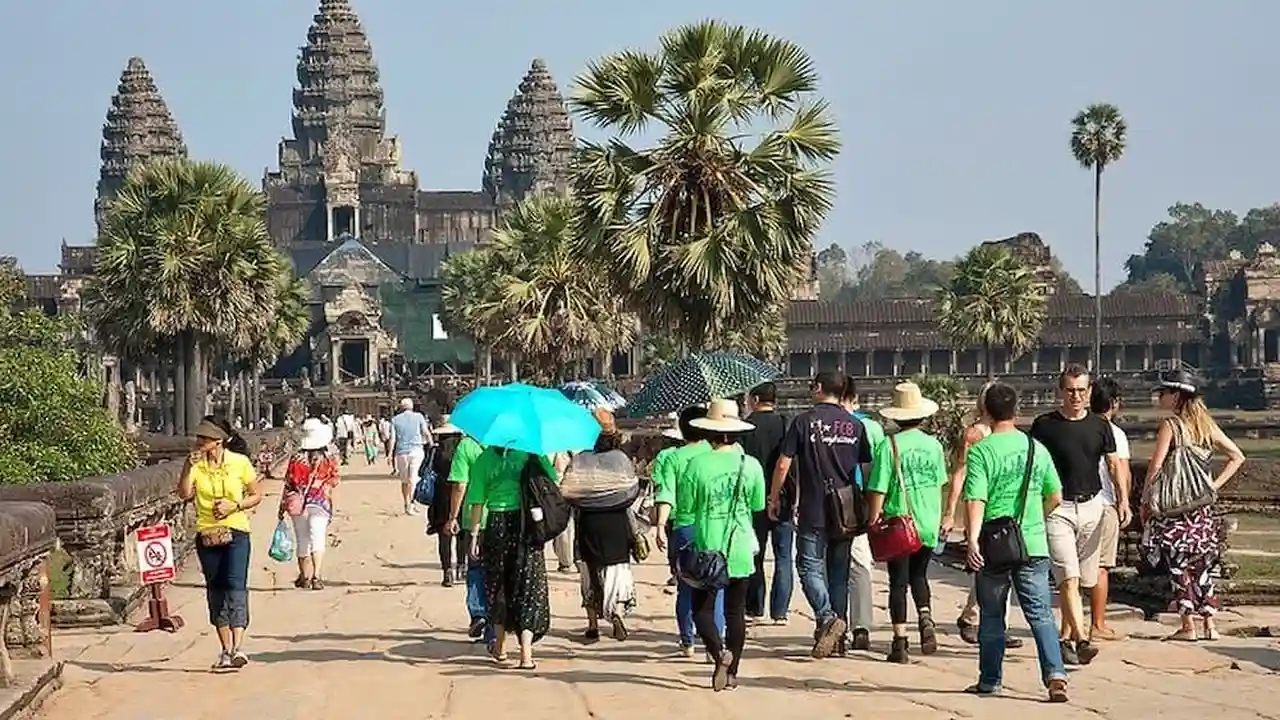
Consider clothing that is respectful for certain cultural sites (e.g., shoulders and knees covered for temples). Comfortable walking shoes are a must. Also, pack a small backpack for each child with their own water bottle, snacks, and a small notebook for drawing or writing observations.
Tools and Products to Enhance Family Cultural Experiences
Beyond the experiences themselves, certain products can significantly enhance your family's cultural journey, making learning more interactive and fun. Here are some recommendations, including specific products, their use cases, comparisons, and approximate pricing.
Interactive Travel Journals and Activity Books for Kids
These are fantastic for keeping kids engaged during downtime and helping them process their experiences. They can draw what they see, write about what they learned, or collect souvenirs.
- Product 1: 'Kids' Travel Journal' by Lonely Planet Kids
- Use Case: Perfect for children aged 6-12. It includes prompts for drawing, writing, and sticking in tickets or photos. It has sections for different countries, encouraging kids to reflect on cultural differences.
- Comparison: More structured than a blank notebook, but less prescriptive than a full activity book. It strikes a good balance between guidance and free expression.
- Price: Approximately $10-$15 USD.
- Product 2: 'My Travel Journal' by Wee Gallery
- Use Case: Designed for younger children (3-7 years old) with more drawing space and simpler prompts. Focuses on sensory experiences and basic observations.
- Comparison: Less text-heavy, more visual. Great for pre-readers or early writers.
- Price: Approximately $12-$18 USD.
Portable Language Translators and Apps for Communication
Breaking down language barriers can open up a world of cultural interaction. While apps are convenient, dedicated devices can be more reliable in areas with spotty internet.
- Product 1: Google Translate App (Free)
- Use Case: Essential for quick translations of signs, menus, and basic conversations. The camera translation feature is a lifesaver for reading foreign text. Kids can enjoy trying to speak into it and hear the translation.
- Comparison: Free and widely available. Requires internet access for full functionality, though some languages can be downloaded for offline use.
- Price: Free.
- Product 2: Vasco Translator M3
- Use Case: A dedicated handheld translator device with a built-in SIM card for free lifetime internet for translations in nearly 200 countries. Excellent for two-way conversations and more complex interactions.
- Comparison: More expensive than an app, but offers superior reliability and ease of use for direct conversation, especially in remote areas. No need to worry about phone battery drain.
- Price: Approximately $250-$350 USD.
Kids' Cameras for Documenting Cultural Discoveries
Giving kids their own camera empowers them to capture what they find interesting, offering a unique perspective on your travels and cultural encounters.
- Product 1: VTech Kidizoom Duo 5.0 Deluxe Digital Camera
- Use Case: Durable and easy for young children (3-9 years) to use. Features front and rear cameras, fun photo effects, and games. Great for capturing candid moments and encouraging observation.
- Comparison: Not professional quality, but built to withstand drops and splashes. Focuses on fun and ease of use for kids.
- Price: Approximately $50-$70 USD.
- Product 2: Fujifilm Instax Mini 11 Instant Camera
- Use Case: For slightly older kids (8+) who enjoy instant gratification. They can take a photo and immediately have a physical print to keep or share, which can be a great icebreaker with locals.
- Comparison: Produces physical prints, which adds a tactile element. Film can be expensive, so it encourages more thoughtful photo-taking.
- Price: Camera approximately $70-$80 USD, film packs around $15-$20 for 20 shots.
Cultural Activity Kits and Games for Pre-Trip Learning and On-the-Go Fun
These can be used before or during your trip to introduce cultural concepts in a playful way.
- Product 1: Little Passports Subscription Box (World Edition)
- Use Case: A monthly subscription that sends a package focused on a different country, including souvenirs, activity sheets, and letters from fictional characters. Excellent for pre-trip learning and sustaining interest.
- Comparison: Provides a structured, ongoing learning experience. Great for building anticipation and knowledge over time.
- Price: Approximately $20-$25 per month, depending on subscription length.
- Product 2: 'Culture Cards' or 'Language Flashcards'
- Use Case: Simple flashcards featuring common phrases, cultural symbols, or images of traditional items. Can be used for quick learning games in the car or plane.
- Comparison: Low-tech and highly portable. Great for quick bursts of learning.
- Price: Approximately $10-$20 USD for a set.
Making Every Moment a Cultural Learning Opportunity
Cultural experiences don't always have to be grand, planned events. Sometimes the most profound learning happens in the small, everyday moments.
Engaging with Locals and Asking Questions
Encourage your children to interact with local people. A simple 'hello' or 'thank you' in the local language can go a long way. If appropriate, encourage them to ask questions (with your help, of course) about local customs or daily life.
Trying Local Transportation and Exploring Markets
Taking a local bus, train, or even a tuk-tuk can be an adventure in itself. Visiting local markets allows kids to see different foods, crafts, and the hustle and bustle of daily life.
Reflecting and Discussing Experiences
At the end of each day, take some time to talk about what everyone saw, heard, and learned. What was surprising? What was different? What did they enjoy the most? This helps solidify their understanding and appreciation.
Ultimately, the goal of family-friendly cultural experiences is to open your children's eyes to the incredible diversity of our world. By choosing engaging activities, preparing them well, and utilizing helpful tools, you can transform a family vacation into a truly enriching and unforgettable journey of discovery.
:max_bytes(150000):strip_icc()/277019-baked-pork-chops-with-cream-of-mushroom-soup-DDMFS-beauty-4x3-BG-7505-5762b731cf30447d9cbbbbbf387beafa.jpg)