Travel Health and Vaccination Guide
Prepare for a healthy trip with our travel health and vaccination guide. Essential information for international travelers.

Prepare for a healthy trip with our travel health and vaccination guide. Essential information for international travelers.
Travel Health and Vaccination Guide Your Essential Pre Trip Checklist
Hey there, fellow globetrotters! Planning an international adventure is super exciting, right? You're probably dreaming of exotic foods, breathtaking sights, and unforgettable experiences. But before you pack your bags and jet off, there's one crucial step you absolutely shouldn't skip: taking care of your health. Trust me, a little preparation goes a long way in ensuring your trip is filled with good memories, not unexpected doctor visits. This guide is all about getting you ready, healthy, and happy for your next big journey.
Why Travel Health Matters Protecting Your Adventure
Think about it: you've saved up, planned meticulously, and now you're finally on your dream vacation. The last thing you want is to be laid up in a hotel room with an upset stomach or, even worse, a preventable illness. Travel health isn't just about avoiding sickness; it's about maximizing your enjoyment and minimizing stress. Different regions of the world have different health risks, from common traveler's diarrhea to more serious infectious diseases. Being informed and prepared means you can confidently explore new places without constantly worrying about your well-being.
Before You Go The Pre Travel Doctor Visit
This is step one, and it's a big one. As soon as you know your travel dates and destinations, schedule an appointment with your doctor or a specialized travel clinic. Ideally, you should do this at least 4-6 weeks before your departure. Why so early? Because some vaccines require multiple doses over several weeks, and others need time to become fully effective. Your doctor will review your itinerary, medical history, and current health status to recommend the necessary vaccinations and preventive medications.
What to Discuss with Your Doctor Your Personalized Health Plan
- Your Itinerary: Be specific! Tell them exactly where you're going, including any rural areas, and what activities you plan to do (e.g., hiking, swimming in fresh water, visiting markets).
- Your Medical History: Mention any chronic conditions, allergies, current medications, and previous vaccinations.
- Traveler's Diarrhea Prevention: Discuss strategies and potential prescriptions for antibiotics or anti-diarrhea medication.
- Insect Bite Prevention: Get advice on repellents and mosquito nets, especially for malaria-prone areas.
- Altitude Sickness: If you're heading to high altitudes, discuss prevention and treatment options.
- General Health Tips: Ask about food and water safety, sun protection, and any other concerns you might have.
Essential Vaccinations for International Travel Your Shield Against Illness
Vaccines are your best defense against many infectious diseases you might encounter abroad. The specific vaccines you need will depend heavily on your destination, your personal health, and your previous vaccination history. Here's a breakdown of common and recommended vaccines:
Routine Vaccinations Staying Up to Date
First things first, make sure your routine vaccinations are current. These are the ones you likely received as a child and need boosters for as an adult. They include:
- Measles Mumps Rubella MMR: Essential for almost all travelers.
- Diphtheria Tetanus Pertussis DTaP: Tetanus is a risk worldwide, especially with cuts or wounds.
- Varicella Chickenpox: If you haven't had chickenpox or been vaccinated.
- Polio: Still a risk in some parts of the world.
- Influenza Flu: Recommended annually, especially if traveling during flu season.
Recommended Vaccinations Destination Specific Protection
These are often recommended based on your travel destination and activities:
- Hepatitis A: Highly recommended for most international travelers, especially to developing countries, as it's transmitted through contaminated food and water.
- Hepatitis B: Recommended if you might be exposed to blood or bodily fluids, have sexual contact with new partners, or get medical procedures abroad.
- Typhoid: Crucial for travelers to developing countries, especially those visiting smaller cities, rural areas, or staying with friends/relatives. It's also food and waterborne.
- Yellow Fever: Required for entry into certain countries in Africa and South America, and recommended for others. You'll get an International Certificate of Vaccination or Prophylaxis (ICVP) after this vaccine.
- Rabies: Recommended for travelers who will be spending a lot of time outdoors, working with animals, or visiting areas where rabies is common and medical care is limited.
- Japanese Encephalitis: Recommended for travelers spending a month or more in rural areas of Asia, especially during transmission seasons.
- Meningococcal Meningitis: Recommended for travelers to certain parts of Africa (the 'meningitis belt') or for those attending the Hajj pilgrimage.
Preventive Medications Beyond Vaccines Your Travel Toolkit
Vaccines are great, but some health risks require ongoing prevention or immediate treatment. Your doctor might prescribe these:
Malaria Prevention Staying Safe from Mosquitoes
If you're traveling to a malaria-risk area, your doctor will likely prescribe antimalarial medication. There are several options, and the best one for you depends on your destination, medical history, and potential side effects. It's crucial to take these medications exactly as prescribed, often starting before your trip, continuing during, and for a period after you return. Some common antimalarial drugs include:
- Malarone Atovaquone Proguanil: Often well-tolerated, taken daily, starting 1-2 days before travel and continuing for 7 days after.
- Doxycycline: A broad-spectrum antibiotic, taken daily, starting 1-2 days before travel and continuing for 4 weeks after. Can cause sun sensitivity.
- Lariam Mefloquine: Taken weekly, starting 2-3 weeks before travel and continuing for 4 weeks after. Not suitable for everyone due to potential neuropsychiatric side effects.
- Primaquine: Taken daily, starting 1-2 days before travel and continuing for 7 days after. Requires a G6PD deficiency test before use.
Traveler's Diarrhea Treatment Be Prepared for Upset Stomachs
This is the most common travel-related illness. While prevention through careful food and water choices is key, having a treatment plan is smart. Your doctor might prescribe:
- Antibiotics: Such as Ciprofloxacin, Azithromycin, or Rifaximin. These can significantly shorten the duration of bacterial diarrhea.
- Anti-motility agents: Like Loperamide Imodium. These can help control symptoms but should be used cautiously, especially if you have fever or bloody stools.
- Oral Rehydration Salts ORS: Essential for preventing dehydration, especially in hot climates or with severe diarrhea. You can buy these over-the-counter or get a prescription.
Altitude Sickness Medication Conquering High Peaks
If your itinerary includes high-altitude destinations (above 8,000 feet or 2,500 meters), discuss altitude sickness prevention. Your doctor might prescribe:
- Acetazolamide Diamox: This medication helps your body acclimatize faster and can prevent or reduce symptoms of acute mountain sickness.
Your Personal Travel Health Kit What to Pack for Peace of Mind
Beyond prescriptions, a well-stocked first-aid kit is a traveler's best friend. Customize it based on your destination and activities, but here are some general essentials:
Over the Counter Medications Your Go To Remedies
- Pain Relievers: Ibuprofen Advil, Motrin or Acetaminophen Tylenol for headaches, muscle aches, and fever.
- Antihistamines: For allergies, insect bites, or motion sickness. Diphenhydramine Benadryl or Loratadine Claritin.
- Antacids: For indigestion or heartburn. Tums, Rolaids, or Gaviscon.
- Laxatives/Stool Softeners: For occasional constipation.
- Anti-diarrhea medication: Loperamide Imodium.
- Motion Sickness Medication: Dramamine or Bonine if you're prone to it.
First Aid Supplies For Minor Injuries
- Bandages and Gauze: Various sizes for cuts and scrapes.
- Antiseptic Wipes or Solution: Alcohol wipes, Povidone-iodine Betadine for cleaning wounds.
- Antibiotic Ointment: Neosporin or Bacitracin to prevent infection.
- Hydrocortisone Cream: For insect bites, rashes, or skin irritation.
- Blister Treatment: Moleskin or specialized blister bandages.
- Tweezers: For splinters or ticks.
- Small Scissors: For cutting tape or bandages.
- Thermometer: To check for fever.
Personal Care and Protection Staying Clean and Safe
- Hand Sanitizer: Alcohol-based (at least 60% alcohol) for when soap and water aren't available.
- Insect Repellent: Look for products containing DEET (20-50%), Picaridin (20%), or Oil of Lemon Eucalyptus (OLE).
- Sunscreen: SPF 30 or higher, broad-spectrum.
- After-sun Lotion: For soothing sunburns.
- Lip Balm with SPF: Protect your lips from sun and wind.
- Prescription Medications: Carry these in their original containers with a copy of your prescription.
- Eyeglasses/Contact Lenses and Solution: Bring an extra pair if possible.
- Water Purification Tablets/Filter: If you'll be in areas with unreliable water sources.
Specific Product Recommendations for Your Travel Health Kit Smart Choices for Smart Travelers
Let's get a bit more specific with some product recommendations that travelers often find invaluable. Remember, always check with your doctor or pharmacist before adding new medications to your kit, especially if you have existing health conditions.
Insect Repellents Your First Line of Defense
Mosquitoes and other biting insects can transmit diseases like malaria, dengue, Zika, and West Nile virus. A good repellent is non-negotiable.
- Sawyer Products Premium Permethrin Insect Repellent for Clothing: This isn't for your skin! You spray it on your clothes, tents, and gear, and it lasts for up to 6 weeks or 6 washes. It's fantastic for an extra layer of protection, especially in high-risk areas. Permethrin kills insects on contact. Usage: Spray on outdoor clothing, mosquito nets, and camping gear. Allow to dry completely before wearing. Price: Around $15-$20 for a 24oz bottle.
- Repel 100 Insect Repellent with 98.11% DEET: For direct skin application, this is a heavy-duty option for areas with high insect activity and disease risk. The high DEET concentration provides long-lasting protection. Usage: Apply sparingly to exposed skin. Reapply as directed, usually every 6-8 hours. Avoid contact with eyes and mouth. Price: Around $8-$12 for a 4oz bottle.
- Picaridin 20% Insect Repellent (e.g., Sawyer Picaridin Insect Repellent): A great alternative to DEET, especially if you're sensitive to DEET or prefer a less oily feel. Picaridin is effective against mosquitoes and ticks and won't damage plastics or synthetic fabrics. Usage: Apply to exposed skin. Reapply every 8-12 hours. Price: Around $8-$15 for a 4oz bottle.
Comparison: DEET is the gold standard for effectiveness and duration. Picaridin is a good alternative with a more pleasant feel. Permethrin is for clothing/gear only, offering a powerful secondary defense.
Water Purification Solutions Staying Hydrated Safely
In many parts of the world, tap water isn't safe to drink. Having a way to purify water is crucial, especially if you're venturing off the beaten path.
- LifeStraw Personal Water Filter: This compact, lightweight filter allows you to drink directly from contaminated water sources. It removes 99.9999% of waterborne bacteria and 99.9% of waterborne protozoan parasites. It's great for emergencies or day hikes. Usage: Drink directly from the water source through the straw. Price: Around $15-$25.
- Sawyer Squeeze Water Filter System: A versatile and popular choice. It's a small, lightweight filter that screws onto most standard water bottles or hydration packs. You can squeeze water through it, use it in-line with a hydration pack, or attach it to a gravity system. Filters out bacteria and protozoa. Usage: Fill the pouch with water, attach the filter, and squeeze clean water into another container or drink directly. Price: Around $30-$40.
- Katadyn Micropur Forte Water Purification Tablets: These tablets use chlorine dioxide to kill bacteria, viruses, and Giardia. They're lightweight, easy to pack, and have a long shelf life. Ideal for treating larger volumes of water or as a backup. Usage: Drop one tablet into 1 liter of water, wait 30 minutes for bacteria/viruses, 4 hours for Giardia. Price: Around $10-$15 for a pack of 30-50 tablets.
Comparison: LifeStraw is excellent for personal, direct drinking. Sawyer Squeeze offers more versatility for filtering into bottles. Katadyn tablets are best for treating larger quantities and as a lightweight backup, but require waiting time.
First Aid Kits Ready Made for Convenience
While you can build your own, a pre-assembled travel first aid kit can be a great starting point.
- Adventure Medical Kits Ultralight Watertight .7: This kit is designed for one to two people on trips up to four days. It's ultralight and comes in a waterproof bag, making it perfect for backpacking or water-based activities. Contains basic wound care, pain relief, and blister treatment. Usage: For minor cuts, scrapes, blisters, and pain relief. Price: Around $25-$35.
- MyMedic MyFAK Mini First Aid Kit: A more comprehensive, yet still compact, kit that includes a wider range of supplies for more serious injuries, including trauma shears, a tourniquet, and more advanced wound care. Great for adventurous travelers or those going to remote areas. Usage: For a broader range of injuries, from minor cuts to more significant trauma. Price: Around $50-$70.
Comparison: Adventure Medical Kits are great for basic needs and lightweight travel. MyMedic offers more robust solutions for higher-risk activities or remote travel.
Food and Water Safety Eating and Drinking Smart
This is where many travelers get into trouble. The golden rule: 'Boil it, cook it, peel it, or forget it!'
- Water: Stick to bottled water with an unbroken seal, boiled water, or water you've purified yourself. Avoid ice cubes unless you're sure they're made from safe water.
- Food: Eat hot, thoroughly cooked food. Avoid raw or undercooked meat, fish, and eggs. Be wary of street food unless it's freshly prepared and piping hot. Peel your own fruits and vegetables.
- Dairy: Avoid unpasteurized dairy products.
Personal Hygiene and Sun Protection Staying Fresh and Safe from the Sun
Good hygiene is your friend, especially when traveling.
- Handwashing: Wash your hands frequently with soap and water, especially before eating and after using the restroom. If soap and water aren't available, use an alcohol-based hand sanitizer.
- Sun Protection: The sun can be intense in many travel destinations. Use broad-spectrum sunscreen with at least SPF 30, wear protective clothing (hats, long sleeves), and seek shade during peak sun hours (10 AM - 4 PM).
Staying Safe from Animals and Insects Minimizing Risks
Animals, both wild and domestic, can carry diseases. Insects are also major vectors for illness.
- Animals: Avoid touching or feeding stray animals. If you are bitten or scratched, seek medical attention immediately, even if you've been vaccinated against rabies.
- Insects: Use insect repellent, wear long sleeves and pants, and sleep under a mosquito net if available and necessary. Check yourself for ticks after spending time outdoors.
What to Do if You Get Sick Abroad Navigating Medical Emergencies
Even with the best preparation, sometimes things happen. Knowing what to do if you get sick can make a stressful situation much more manageable.
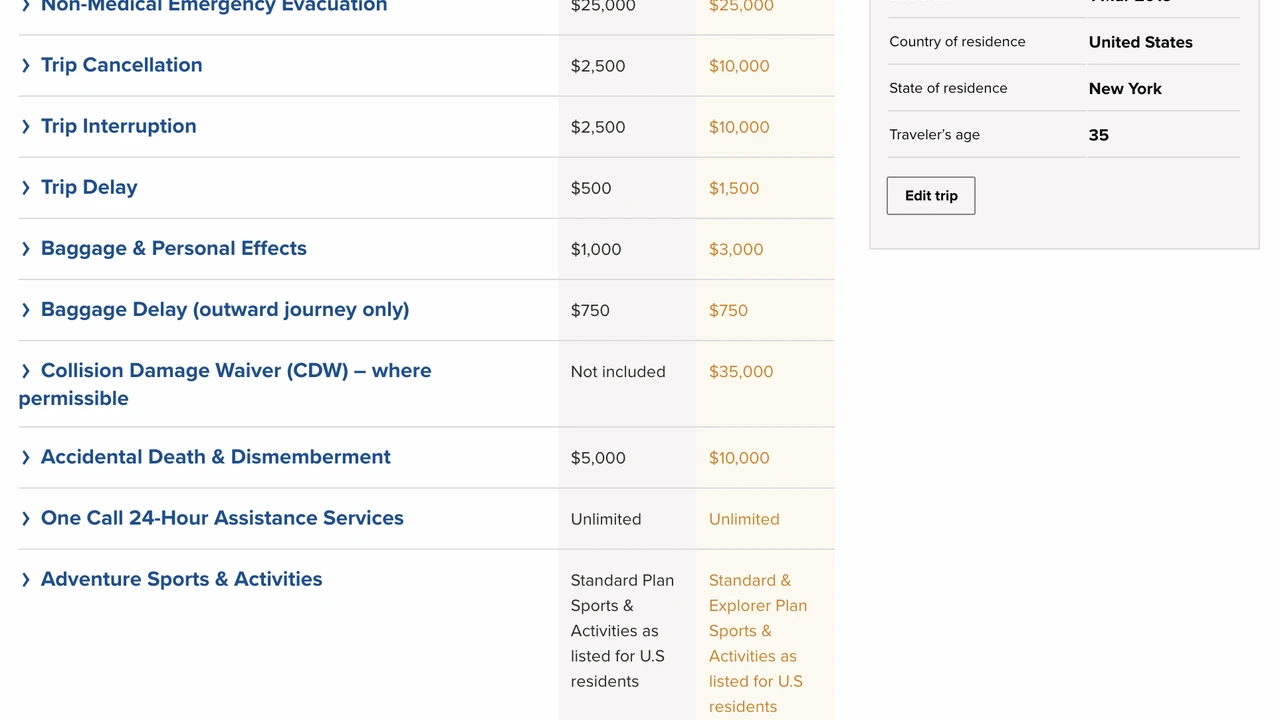
- Contact Your Travel Insurance: This should be your first step. They can help you find reputable doctors, hospitals, and even arrange for medical evacuation if needed.
- Seek Medical Attention: Don't delay. If you have a fever, severe diarrhea, persistent vomiting, or any concerning symptoms, find a doctor. Your embassy or consulate can often provide a list of local medical facilities.
- Communicate: Try to clearly explain your symptoms and medical history. If there's a language barrier, use translation apps or ask for an interpreter.
- Keep Records: Hold onto all medical reports, receipts, and prescriptions. Your travel insurance will need these.
After Your Trip Post Travel Health Check
Your health considerations don't necessarily end when you return home. If you feel unwell after your trip, especially if you've been to a high-risk area, it's important to see your doctor and mention your recent travel history. Some diseases, like malaria, can have delayed symptoms. Be vigilant for any unusual symptoms like fever, rash, or persistent digestive issues.
Final Thoughts on Healthy Travels Your Journey Awaits
Traveling is one of life's greatest joys, offering incredible opportunities for learning, growth, and adventure. By taking the time to prioritize your health before, during, and after your trip, you're not just protecting yourself; you're ensuring that your memories are of stunning landscapes and vibrant cultures, not of illness and discomfort. So, get that doctor's appointment booked, pack your health kit, and get ready to explore the world with confidence and a healthy glow!
:max_bytes(150000):strip_icc()/277019-baked-pork-chops-with-cream-of-mushroom-soup-DDMFS-beauty-4x3-BG-7505-5762b731cf30447d9cbbbbbf387beafa.jpg)