Solo Outdoor Adventure Safety Tips
Stay safe on your solo outdoor adventures with these essential tips. Prepare for any challenge in the wilderness.
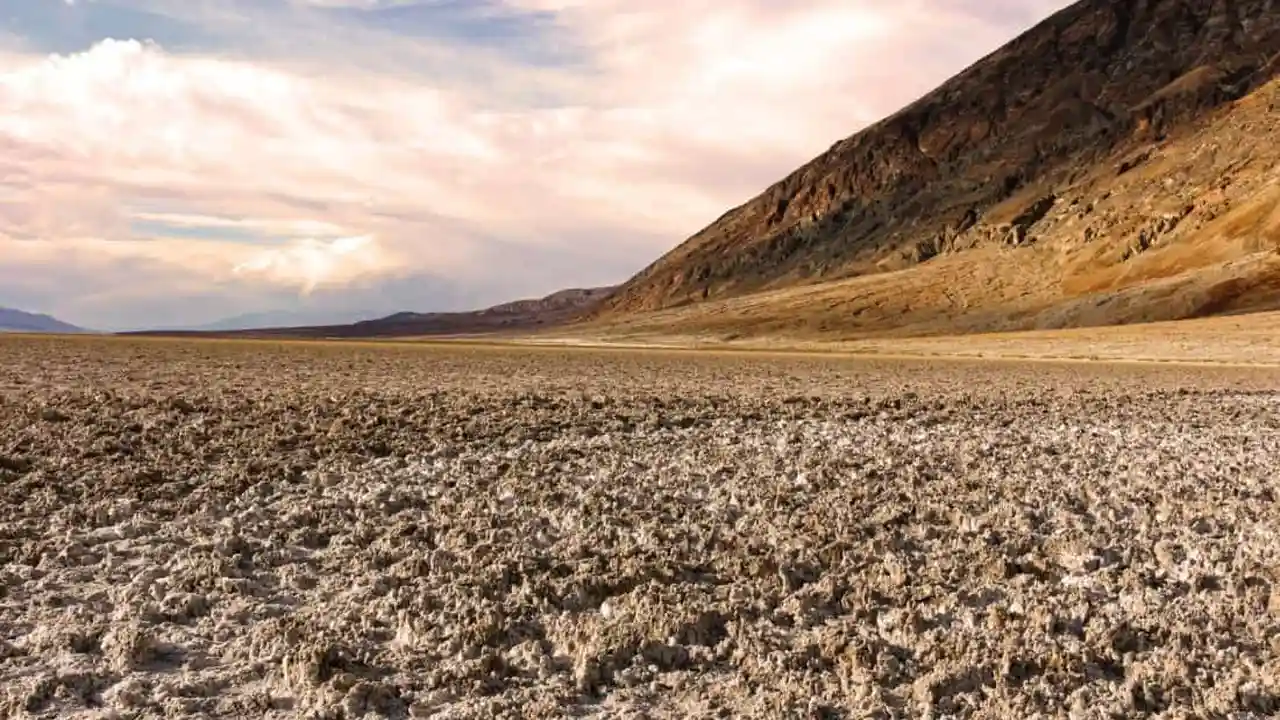
Stay safe on your solo outdoor adventures with these essential tips. Prepare for any challenge in the wilderness.
Solo Outdoor Adventure Safety Tips
Embarking on a solo outdoor adventure can be an incredibly rewarding experience. The freedom, the solitude, the challenge – it's all part of the allure. However, with great freedom comes great responsibility, especially when you're out there alone. The wilderness doesn't care if you're by yourself; it presents the same challenges and risks to everyone. That's why preparation and vigilance are paramount for solo adventurers. This comprehensive guide will equip you with the knowledge and tools to stay safe, confident, and prepared for any challenge the great outdoors might throw your way.
Why Solo Adventures Demand Extra Safety Precautions
When you're with a group, you have multiple sets of eyes, more hands to help, and a collective pool of knowledge and resources. If someone gets injured, there's someone to administer first aid or go for help. If you get lost, there are more people to help navigate. When you're solo, all of that responsibility falls squarely on your shoulders. There's no one to share the load, no one to double-check your decisions, and no one to rely on if things go south. This isn't meant to deter you, but rather to emphasize the critical importance of meticulous planning and self-reliance. Every decision you make, every piece of gear you pack, and every skill you master directly impacts your safety and survival.
Pre-Trip Planning and Preparation for Solo Wilderness Exploration
The foundation of any safe solo adventure is thorough pre-trip planning. This isn't just about picking a destination; it's about understanding the environment, anticipating potential problems, and having a robust plan to mitigate them.
Researching Your Destination and Route for Solo Hiking and Camping
- Know the Terrain: Understand the elevation changes, water sources, potential hazards (e.g., cliffs, river crossings, dense brush), and typical weather patterns. Use topographical maps and satellite imagery.
- Weather Forecasts: Check multiple reliable weather sources for your specific location and time frame. Be prepared for sudden changes, especially in mountainous regions.
- Trail Conditions: Look for recent trail reports. Are there any closures, washouts, or difficult sections?
- Wildlife: Research local wildlife and how to react to encounters (e.g., bears, cougars, snakes). Know how to store food properly to avoid attracting animals.
- Permits and Regulations: Ensure you have all necessary permits and are aware of any specific rules for the area (e.g., fire restrictions, camping regulations).
Sharing Your Itinerary and Emergency Contacts for Solo Backpacking
This is non-negotiable for solo adventurers. Always, always, always tell someone your detailed plans.
- Detailed Itinerary: Provide a trusted friend or family member with your exact route, expected start and end times, planned campsites, and any alternative routes.
- Emergency Contacts: Give them a list of emergency contacts, including park rangers or local authorities.
- Check-in Times: Establish specific check-in times. If you don't check in by a certain time, they should know to initiate a search.
- Vehicle Information: If you're driving, provide your vehicle make, model, color, and license plate number, along with where you plan to park.
Packing the Ten Essentials for Solo Outdoor Survival
The 'Ten Essentials' are a cornerstone of outdoor safety. For solo trips, consider adding redundancies or extra items.
- Navigation: Map, compass, and GPS device (with extra batteries). Don't rely solely on your phone.
- Headlamp/Flashlight: With extra batteries.
- Sun Protection: Sunscreen, sunglasses, hat.
- First Aid Kit: Comprehensive, tailored to your trip length and potential risks. Include personal medications.
- Knife/Repair Kit: Multi-tool, duct tape, cordage.
- Fire Starter: Waterproof matches, lighter, fire starter.
- Shelter: Emergency blanket, tarp, or bivy sack.
- Extra Food: More than you think you'll need. Non-perishable, high-energy snacks.
- Extra Water: Or water purification method (filter, tablets).
- Extra Clothes: Layers appropriate for the worst-case weather scenario.
Essential Gear for Solo Safety and Communication in the Backcountry
Beyond the Ten Essentials, certain gear becomes even more critical when you're alone. These items can be lifesavers.
Personal Locator Beacons PLBs and Satellite Messengers for Remote Areas
These devices are arguably the most important safety tool for solo adventurers in remote areas. They allow you to send an SOS signal even when out of cell service.
- Personal Locator Beacons (PLBs): These devices transmit a distress signal to a global satellite network, which then alerts rescue authorities. They are designed for emergencies only and typically have a single SOS button.
- Satellite Messengers (e.g., Garmin inReach, Zoleo Satellite Communicator): These offer more functionality. You can send and receive text messages, track your location, and send an SOS. This allows for two-way communication with rescuers or your emergency contacts, providing crucial updates.
Product Comparison: PLBs vs. Satellite Messengers
ACR ResQLink 400 PLB:
- Use Case: Purely for emergency distress signaling. Best for those who want a simple, reliable SOS device without ongoing subscription costs (beyond initial purchase).
- Features: GPS-enabled, floats, 24+ hours operational life, no subscription required for distress signal.
- Pros: Highly reliable, no monthly fees, compact.
- Cons: No two-way communication, no tracking.
- Estimated Price: $250 - $350 USD.
Garmin inReach Mini 2 Satellite Communicator:
- Use Case: For adventurers who want emergency SOS, two-way messaging, and tracking capabilities. Ideal for communicating with loved ones or updating your progress.
- Features: Two-way messaging, interactive SOS, location tracking, weather forecasts, compatible with Garmin Explore app.
- Pros: Versatile communication, compact, robust.
- Cons: Requires a monthly or annual subscription plan, higher initial cost than basic PLBs.
- Estimated Price: $350 - $400 USD (plus subscription from $15/month).
Zoleo Satellite Communicator:
- Use Case: Similar to Garmin inReach, offering seamless global messaging via satellite, cellular, and Wi-Fi. Great for those who want a simple interface and cost-effective plans.
- Features: Two-way messaging, SOS alerting, check-in messages, dedicated app for easy use.
- Pros: Affordable subscription plans, robust messaging, compact.
- Cons: No built-in screen for messages (relies on smartphone app).
- Estimated Price: $200 - $250 USD (plus subscription from $20/month).
Recommendation: For solo adventurers, a satellite messenger like the Garmin inReach Mini 2 or Zoleo is highly recommended due to its two-way communication and tracking features, which provide a greater sense of security and allow for more nuanced emergency responses.
Water Purification Systems for Hydration Safety
Reliable access to clean drinking water is paramount. Carrying enough water for an entire trip can be impractical, so a purification system is essential.
Product Comparison: Water Filters and Purifiers
Sawyer Squeeze Water Filter System:
- Use Case: Lightweight, versatile, and highly effective for filtering out bacteria and protozoa. Ideal for backpacking and day hikes.
- Features: Filters up to 100,000 gallons, attaches to water bottles or hydration packs, comes with a collapsible pouch.
- Pros: Very lightweight, affordable, easy to use, high flow rate.
- Cons: Doesn't remove viruses (though less common in North American backcountry), can freeze and become damaged.
- Estimated Price: $30 - $50 USD.
Katadyn BeFree Water Filter:
- Use Case: Similar to Sawyer, but often praised for its even higher flow rate and ease of use. Great for quick hydration on the go.
- Features: Filters up to 1,000 liters, soft flask design, easy to clean.
- Pros: Extremely fast flow, very lightweight, compact.
- Cons: Shorter filter lifespan than Sawyer, doesn't remove viruses.
- Estimated Price: $40 - $50 USD.
SteriPEN Ultra UV Water Purifier:
- Use Case: For those who want to kill viruses in addition to bacteria and protozoa, especially when traveling internationally or in areas with questionable water sources.
- Features: Uses UV light to destroy pathogens, rechargeable battery, treats 1 liter in 90 seconds.
- Pros: Kills viruses, no chemicals, easy to use.
- Cons: Requires batteries, water must be clear (pre-filter needed for cloudy water), can be fragile.
- Estimated Price: $100 - $120 USD.
Recommendation: For most solo backcountry trips in the US and Canada, a Sawyer Squeeze or Katadyn BeFree filter is excellent. For international travel or areas with higher viral risk, consider adding a SteriPEN or chemical tablets as a backup/primary method.
Navigation Tools GPS Devices and Maps for Solo Treks
While your phone has GPS, it's not a reliable primary navigation tool in the backcountry due to battery life and signal issues.
Product Comparison: Dedicated GPS vs. Smartphone Apps with External Battery
Garmin GPSMAP 66i Handheld GPS and Satellite Communicator:
- Use Case: The ultimate all-in-one navigation and communication device for serious solo adventurers. Combines robust GPS with inReach satellite messaging.
- Features: Large color display, preloaded topo maps, multi-GNSS support, inReach technology, long battery life.
- Pros: Extremely durable, reliable, comprehensive navigation and communication.
- Cons: Expensive, heavier than other options, requires subscription.
- Estimated Price: $550 - $600 USD (plus subscription).
Gaia GPS App (Premium Subscription) on Smartphone with Anker PowerCore III Elite 25600mAh Portable Charger:
- Use Case: For those who prefer using their smartphone for navigation but need reliable power and offline map capabilities.
- Features (Gaia GPS): Offline maps, route planning, weather overlays, public land boundaries.
- Features (Anker PowerCore): High capacity, multiple charging ports, fast charging.
- Pros: Familiar interface, access to a vast array of maps, versatile power bank.
- Cons: Phone battery drain, screen visibility in bright sun, phone fragility, not as robust as dedicated GPS.
- Estimated Price: Gaia GPS Premium: $40/year. Anker PowerCore: $80 - $120 USD.
Recommendation: For ultimate reliability and peace of mind, a dedicated GPS device like the Garmin GPSMAP 66i is superior for solo trips. However, a smartphone with a premium offline mapping app (like Gaia GPS or AllTrails Pro) and a high-capacity power bank can be a viable, more affordable alternative if you understand its limitations and carry a physical map and compass as backup.
Developing Essential Skills for Solo Wilderness Navigation and Survival
Gear is important, but skills are even more so. Knowing how to use your gear and react to situations is critical.
Mastering Navigation Skills Map and Compass Proficiency
- Practice Regularly: Don't just carry a map and compass; know how to use them. Practice orienting the map, taking bearings, and identifying landmarks.
- Declination: Understand magnetic declination and how to adjust for it.
- Route Finding: Learn to read terrain features on a map and relate them to what you see on the ground.
Basic First Aid and Wilderness Medicine for Solo Travelers
- Wilderness First Aid (WFA) or Wilderness First Responder (WFR) Course: Consider taking a certified course. These teach you how to manage injuries and illnesses in remote settings for extended periods.
- CPR Certification: Essential for any emergency.
- Know Your Body: Be aware of your physical limits and any pre-existing conditions.
Shelter Building and Fire Starting Techniques for Emergencies
- Emergency Shelter: Know how to construct a basic shelter using natural materials or your emergency tarp/bivy.
- Fire Starting: Practice starting a fire in various conditions (wet, windy) using different methods. A fire provides warmth, light, and a psychological boost.
Self-Defense and Wildlife Encounter Protocols for Solo Hikers
- Bear Spray: If in bear country, carry bear spray and know how to use it.
- Wildlife Awareness: Make noise while hiking, store food properly, and know how to react to different animal encounters (e.g., make yourself big for bears, fight back against cougars).
- Personal Safety: Trust your instincts. If a situation feels off, remove yourself from it.
Mental Preparedness and Decision Making for Solo Outdoor Challenges
Your mental state is as crucial as your physical preparation when you're alone in the wilderness.
Managing Fear and Anxiety in Remote Environments
- Positive Self-Talk: Remind yourself of your training and preparation.
- Focus on the Present: Break down challenges into smaller, manageable steps.
- Accept Discomfort: Understand that discomfort is part of the experience, but don't ignore genuine threats.
Making Sound Decisions Under Pressure and Fatigue
- STOP Method: Stop, Think, Observe, Plan. When faced with a problem, don't panic. Take a moment to assess the situation before acting.
- Turn Around Times: Establish a non-negotiable turnaround time for your hike or climb, regardless of how close you are to your goal.
- Listen to Your Gut: If something feels wrong, it probably is. Don't push through a bad feeling.
Maintaining Morale and Positive Outlook During Solo Journeys
- Celebrate Small Victories: Reaching a viewpoint, setting up camp efficiently, cooking a good meal.
- Enjoy the Solitude: Embrace the peace and quiet. Use the time for reflection.
- Stay Hydrated and Fed: Physical well-being directly impacts mental well-being.
Emergency Procedures and What to Do When Things Go Wrong Alone
Even with the best preparation, emergencies can happen. Knowing how to react is vital.
Signaling for Help and Using Emergency Communication Devices
- SOS Signals: Know how to create visual (fire, signal mirror, bright clothing) and auditory (whistle blasts) SOS signals. Three of anything is a universal distress signal.
- PLB/Satellite Messenger Activation: Only activate your PLB or SOS function on your satellite messenger when you genuinely need emergency assistance. Be prepared to provide details if two-way communication is available.
Dealing with Injuries and Illnesses When Solo
- Self-Assessment: Calmly assess your injury or illness. Can you self-treat? Can you move?
- First Aid: Apply appropriate first aid.
- Shelter in Place: If you're seriously injured and cannot move, stay put. Make yourself visible and wait for rescue.
Lost in the Wilderness What to Do Alone
- STOP: Immediately implement the STOP method.
- Stay Calm: Panic is your worst enemy.
- Shelter: If it's getting dark or weather is worsening, prioritize building a shelter.
- Signal: Start signaling for help.
- Stay Put: Unless you are absolutely certain of your direction and a short distance to safety, staying put is often the safest option. Rescuers will be looking for you along your planned route.
Solo outdoor adventures offer unparalleled experiences, but they demand a higher level of responsibility and preparedness. By meticulously planning, carrying the right gear, honing your skills, and cultivating a resilient mindset, you can safely and confidently explore the world on your own terms. The wilderness is a magnificent place, and with these safety tips, you're ready to embrace its challenges and rewards.
:max_bytes(150000):strip_icc()/277019-baked-pork-chops-with-cream-of-mushroom-soup-DDMFS-beauty-4x3-BG-7505-5762b731cf30447d9cbbbbbf387beafa.jpg)