Top 3 Ancient Civilizations to Explore
Journey back in time to explore the remnants of top ancient civilizations. Discover historical marvels and archaeological sites.
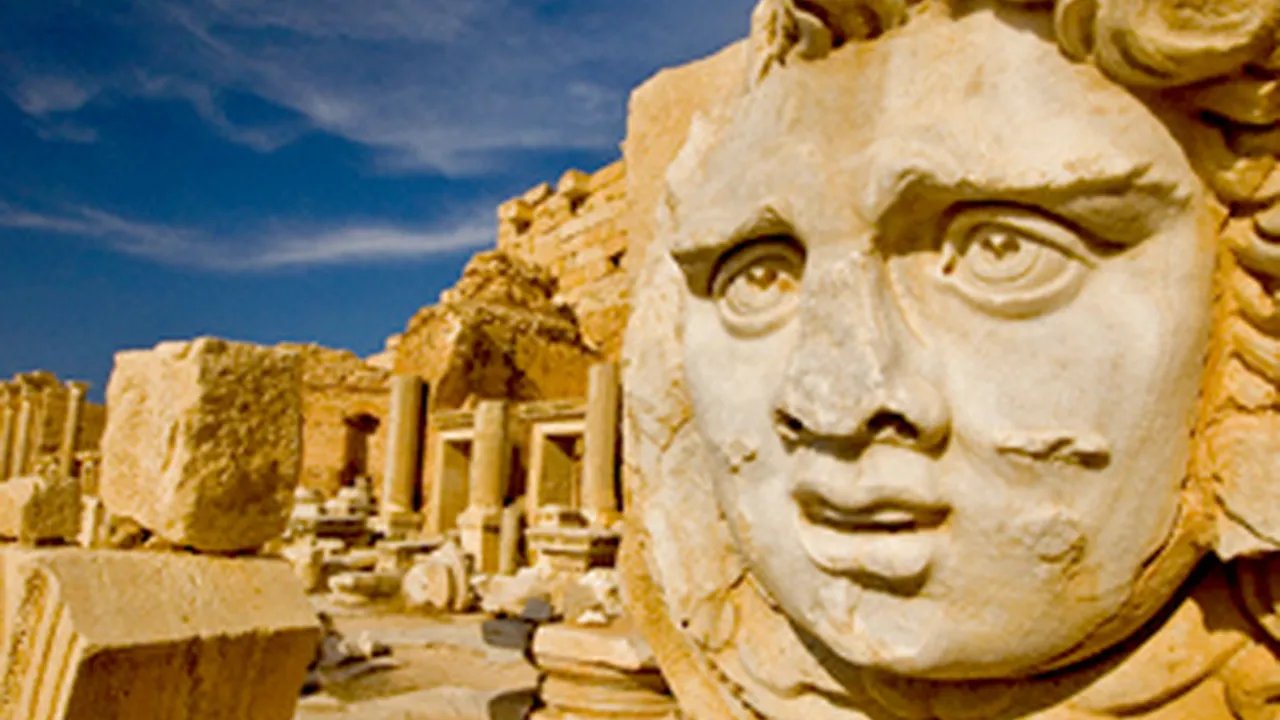
Journey back in time to explore the remnants of top ancient civilizations. Discover historical marvels and archaeological sites.
Top 3 Ancient Civilizations to Explore
Ever felt that pull to the past, a yearning to walk where pharaohs, emperors, and forgotten peoples once trod? You're not alone! Exploring ancient civilizations isn't just about seeing old stones; it's about connecting with humanity's incredible journey, understanding where we came from, and marveling at the ingenuity of our ancestors. If you're looking for a truly immersive and mind-blowing cultural travel experience, diving into the world of ancient civilizations is an absolute must. We're talking about places that shaped the world, left behind awe-inspiring structures, and continue to influence us today. So, grab your imaginary fedora and let's uncover the top three ancient civilizations that absolutely deserve a spot on your travel bucket list.
Ancient Egypt Unveiling the Land of Pharaohs and Pyramids
When you think of ancient civilizations, Egypt often springs to mind first, and for good reason! This civilization, flourishing along the Nile River for over 3,000 years, left an indelible mark on history with its monumental architecture, complex religious beliefs, and sophisticated societal structure. From the iconic pyramids to the intricate hieroglyphs, Egypt offers a tangible connection to a world that feels both distant and incredibly present.
Why Visit Ancient Egypt Historical Sites
Visiting Egypt is like stepping into a living museum. You'll witness engineering marvels that still baffle modern architects, art that tells stories of gods and kings, and a spiritual legacy that continues to fascinate. It's not just about seeing; it's about feeling the weight of history, imagining the lives lived, and understanding the profound impact this civilization had on subsequent cultures.
Key Ancient Egyptian Destinations and Experiences
- The Pyramids of Giza and the Sphinx: No trip to Egypt is complete without standing in awe of these colossal structures. The Great Pyramid of Khufu, the only remaining wonder of the ancient world, is a testament to human ambition and skill. Imagine the sheer manpower and precision required to build these tombs for the pharaohs. You can even go inside some of them!
- Luxor Karnak Temple and Valley of the Kings: Often called the world's largest open-air museum, Luxor is a treasure trove. Karnak Temple, a sprawling complex of sanctuaries, pylons, and obelisks, is simply breathtaking. Then, cross the Nile to the Valley of the Kings, where pharaohs like Tutankhamun were buried in elaborate tombs adorned with vibrant paintings.
- Abu Simbel Temples: These two massive rock-cut temples, built by Ramesses II, are an incredible sight. Their relocation in the 1960s to save them from the rising waters of Lake Nasser is an engineering feat in itself. The sheer scale and intricate carvings are unforgettable.
- Egyptian Museum in Cairo: Before or after your site visits, the Egyptian Museum (soon to be the Grand Egyptian Museum, GEM) is crucial for context. It houses an unparalleled collection of artifacts, including the treasures of Tutankhamun, mummies, and countless statues and papyri. It brings the stories of the sites to life.
- Nile River Cruise: A multi-day cruise between Luxor and Aswan is a fantastic way to experience the country, stopping at temples like Edfu and Kom Ombo along the way. It's a relaxing and scenic journey that mirrors how ancient Egyptians traveled.
Recommended Tours and Guides for Egypt Exploration
For a deep dive into Ancient Egypt, a knowledgeable guide is invaluable. They can decipher hieroglyphs, explain religious symbolism, and bring the history to life. Look for certified Egyptologists. Many tour operators offer comprehensive packages that include transportation, accommodation, and guided tours. Companies like G Adventures and Intrepid Travel offer small-group tours with a focus on cultural immersion. For a more luxurious experience, consider a high-end Nile cruise with onboard Egyptologists. Expect tour prices to range from $1,500 to $4,000+ for a 7-10 day trip, depending on inclusions and luxury level. Independent travel is possible, but navigating the logistics can be challenging, especially for first-timers.
Ancient Greece Cradle of Western Civilization and Democracy
From the birth of democracy to the foundations of philosophy, drama, and architecture, Ancient Greece laid much of the groundwork for Western civilization. Exploring its ruins is not just about seeing old buildings; it's about walking through the very places where ideas that still shape our world were first conceived. The sheer intellectual and artistic output of this civilization is astounding.
Why Explore Ancient Greek Archaeological Sites
Visiting Greece's ancient sites offers a profound understanding of our intellectual heritage. You'll stand where Socrates debated, where plays by Sophocles were first performed, and where the concept of citizenship was born. The beauty of the architecture, often set against stunning natural backdrops, is simply captivating.
Key Ancient Greek Destinations and Experiences
- The Acropolis of Athens: The undisputed crown jewel. Perched high above Athens, the Parthenon, Erechtheion, and Propylaea are masterpieces of classical architecture. Imagine the processions, the debates, and the religious ceremonies that took place here. The Acropolis Museum at its base provides crucial context and houses many original artifacts.
- Delphi Oracle of Apollo: Nestled on the slopes of Mount Parnassus, Delphi was considered the center of the world by ancient Greeks. Home to the Oracle of Apollo, it was a site of immense religious and political importance. The ruins of the Temple of Apollo, the theater, and the stadium are incredibly atmospheric.
- Olympia Birthplace of the Olympic Games: Walk through the ruins where the ancient Olympic Games were held for over a thousand years. See the stadium, the gymnasium, and the temples dedicated to Zeus and Hera. It's a powerful reminder of the origins of athletic competition.
- Mycenae Home of Agamemnon: This fortified city, dating back to the Bronze Age, is associated with the legendary King Agamemnon and the Trojan War. The Lion Gate, the Treasury of Atreus (a massive tholos tomb), and the cyclopean walls are awe-inspiring.
- Knossos Minoan Palace on Crete: While distinct from mainland Greek civilization, the Minoan civilization on Crete (centered at Knossos) is a crucial precursor. Explore the sprawling palace complex, with its vibrant frescoes and labyrinthine layout, often associated with the myth of the Minotaur.
Recommended Tours and Guides for Greece Exploration
Greece is very accessible for independent travel, but a good guide can significantly enrich your understanding of the ancient sites. Many local guides are available at major sites, or you can book private tours. Companies like Rick Steves' Europe offer excellent small-group tours focusing on history and culture. For a more comprehensive experience, consider a tour that combines mainland sites with island hopping. Expect tour prices for a 7-10 day trip focusing on ancient sites to be in the range of $1,800 to $3,500+, depending on the level of luxury and inclusions. Renting a car is also a popular option for exploring the mainland at your own pace.
Ancient Rome Empire of Engineering and Law
The Roman Empire, spanning centuries and continents, left an unparalleled legacy in law, engineering, language, and governance. From the grandeur of its public buildings to the intricate network of roads, the Romans were master builders and organizers. Exploring their ancient sites is to witness the remnants of an empire that truly shaped the modern world.
Why Delve into Ancient Roman History
Visiting Roman sites allows you to grasp the scale and ambition of this mighty empire. You'll see the ingenuity of their engineering, the artistry of their mosaics, and the places where gladiators fought and emperors ruled. It's a journey into a civilization that perfected many aspects of urban living and governance.
Key Ancient Roman Destinations and Experiences
- The Colosseum and Roman Forum in Rome: These are the absolute must-sees. The Colosseum, where gladiatorial contests and public spectacles took place, is an iconic symbol of Roman power. Adjacent to it, the Roman Forum was the heart of ancient Rome, a bustling marketplace, political center, and religious hub. Spend hours wandering through its ruins.
- Pompeii and Herculaneum Preserved Cities: Buried by the eruption of Mount Vesuvius in 79 AD, these cities offer an incredibly preserved snapshot of Roman daily life. See houses, shops, temples, and even frescoes and mosaics, all frozen in time. It's a poignant and fascinating experience.
- Pantheon Architectural Marvel: Still standing largely intact, the Pantheon is a testament to Roman engineering. Its massive unreinforced concrete dome, with its central oculus, is a marvel. It's a powerful reminder of their architectural prowess.
- Hadrian's Wall in England Northern Frontier: For a different perspective on the Roman Empire, head to northern England to see Hadrian's Wall. This UNESCO World Heritage site was built to guard the wild northern frontier of the Roman Empire. Walking along sections of it gives a sense of the vastness of their reach.
- Roman Baths in Bath England: Another incredible Roman site outside of Italy, the Roman Baths in Bath are remarkably preserved. Explore the elaborate bathing complex, a testament to Roman hygiene and social life.
Recommended Tours and Guides for Roman Exploration
Rome itself is very walkable, and many sites are close to each other. However, a guided tour, especially for the Colosseum and Forum, is highly recommended to understand the complex history. Companies like Walks of Italy and The Roman Guy offer excellent small-group tours with expert guides, often providing skip-the-line access which is crucial. For Pompeii and Herculaneum, consider a day trip from Naples or Rome with a dedicated guide. Tour prices for a 3-5 day focus on Rome's ancient sites can range from $500 to $1,500+, depending on private vs. group tours and inclusions. For a broader Roman Empire tour, expect higher prices and longer durations.
Comparing Ancient Civilizations Which One is Right for Your Trip
Each of these ancient civilizations offers a unique and profound travel experience. The 'best' one for you depends on your interests, budget, and travel style. Let's break down some comparisons to help you decide.
Egypt vs Greece vs Rome Architectural Grandeur and Scale
- Egypt: Unmatched in sheer monumental scale. The pyramids and temples are colossal and designed to inspire awe and convey divine power. Think massive, imposing, and deeply symbolic.
- Greece: Focuses on harmony, proportion, and aesthetic perfection. Greek temples, while grand, are often more refined and human-scaled, emphasizing balance and beauty.
- Rome: Combines both scale and practicality. Roman engineering allowed for massive public works like aqueducts and amphitheaters, but also intricate urban planning and functional structures.
Cultural Impact and Historical Significance
- Egypt: Its impact is primarily on early religious beliefs, monumental art, and the concept of divine kingship. It's a window into one of humanity's earliest complex societies.
- Greece: The birthplace of Western philosophy, democracy, drama, and scientific inquiry. Its intellectual legacy is immense and directly influences modern thought.
- Rome: Its legacy is seen in law, governance, military organization, engineering, and language. The Roman Empire's administrative and infrastructural achievements were unparalleled.
Travel Logistics and Accessibility for Tourists
- Egypt: Requires more careful planning due to security considerations and the need for reliable local transport. Guided tours are highly recommended for ease and safety. The infrastructure for tourism is well-developed around major sites.
- Greece: Very tourist-friendly and accessible. Excellent public transport, and many sites are easily reachable. Independent travel is straightforward, and English is widely spoken in tourist areas.
- Rome: Extremely accessible and well-equipped for tourists. Most major sites are within walking distance or a short metro ride. English is widely spoken, and there are countless tour options.
Essential Travel Gear for Ancient Site Exploration
No matter which ancient civilization you choose to explore, having the right gear can make a huge difference in your comfort and enjoyment. You'll be doing a lot of walking, often in hot weather, and you'll want to capture those incredible memories.
Footwear for Archaeological Sites and Uneven Terrain
This is probably the most important item! You'll be walking on uneven surfaces, ancient cobblestones, dusty paths, and climbing stairs. Forget the flip-flops or high heels.
- Product Recommendation 1: Merrell Moab 3 Ventilator Hiking Shoes
- Description: These are fantastic all-around hiking shoes that are comfortable, breathable, and offer excellent traction. They're not overly bulky, making them suitable for city walking as well as archaeological sites. The ventilator version is great for hot climates.
- Use Case: Ideal for long days exploring the Roman Forum, climbing the Acropolis, or navigating the sandy paths around Egyptian temples. They provide good ankle support without being a full boot.
- Comparison: Lighter and more breathable than traditional hiking boots, but offer more support and protection than sneakers.
- Price: Approximately $110 - $130 USD.
- Product Recommendation 2: Keen Newport H2 Sandals
- Description: If you prefer sandals but still need protection and support, these are a great option. They have a closed toe, excellent arch support, and a grippy sole, making them suitable for light hiking and water activities.
- Use Case: Perfect for warmer climates like Egypt or Greece, especially if you anticipate some light water crossings or just want your feet to breathe. They can handle uneven terrain surprisingly well.
- Comparison: More protective and supportive than standard sandals, but less robust than a full shoe.
- Price: Approximately $100 - $120 USD.
Hydration Solutions for Hot Climates and Long Days
Staying hydrated is crucial, especially when you're out in the sun for hours. Don't rely solely on buying bottled water; having your own reusable bottle is eco-friendly and often more convenient.
- Product Recommendation 1: Hydro Flask Wide Mouth Water Bottle (32 oz)
- Description: Known for its excellent insulation, keeping drinks cold for up to 24 hours (or hot for 12). The wide mouth makes it easy to add ice cubes.
- Use Case: Essential for keeping water cool throughout a long day of sightseeing in the Egyptian desert or under the Greek sun.
- Comparison: Superior insulation compared to standard plastic or single-wall metal bottles. Durable and comes in various colors.
- Price: Approximately $45 - $55 USD.
- Product Recommendation 2: Lifestraw Go Water Filter Bottle
- Description: This bottle has a built-in filter that removes bacteria and protozoa, allowing you to safely drink from questionable water sources.
- Use Case: Great for peace of mind if you're unsure about tap water quality in certain regions, or if you want to refill from public fountains without worry.
- Comparison: Offers water purification capabilities that standard reusable bottles lack.
- Price: Approximately $40 - $50 USD.
Sun Protection Hats Sunglasses and Sunscreen
The sun can be intense at many ancient sites, especially in Egypt and Greece. Protecting your skin and eyes is non-negotiable.
- Product Recommendation 1: Tilley LTM6 Airflo Hat
- Description: A classic travel hat known for its excellent sun protection (UPF 50+), breathability, and durability. It's lightweight, water-repellent, and even floats!
- Use Case: Provides all-day sun protection for your face, neck, and ears while exploring open-air sites like the Valley of the Kings or the Roman Forum.
- Comparison: More durable and offers better all-around protection than a baseball cap. Designed specifically for travel and outdoor use.
- Price: Approximately $90 - $100 USD.
- Product Recommendation 2: Supergoop Play Everyday Lotion SPF 50
- Description: A broad-spectrum, water-resistant sunscreen that's lightweight and non-greasy. It's designed for active use and won't leave a white cast.
- Use Case: Daily application to exposed skin to prevent sunburn and long-term sun damage during extensive outdoor exploration.
- Comparison: Higher SPF and better feel than many conventional sunscreens, making it more pleasant for daily use.
- Price: Approximately $22 - $32 USD (for 2.4 oz to 5.5 oz).
Photography Gear for Capturing Ancient Wonders
You'll want to capture the majesty of these sites. While your smartphone is great, a dedicated camera can offer more flexibility and higher quality.
- Product Recommendation 1: Sony Alpha a6400 Mirrorless Camera with 18-135mm Lens
- Description: A fantastic mirrorless camera that's compact yet powerful, offering excellent image quality and fast autofocus. The 18-135mm lens provides a versatile zoom range for wide landscapes and detailed shots.
- Use Case: Capturing the vastness of the Giza plateau, the intricate details of Greek sculptures, or the bustling atmosphere of the Roman Forum. Its portability makes it easy to carry all day.
- Comparison: Offers DSLR-like quality in a smaller, lighter package. The versatile lens means you don't need to carry multiple lenses.
- Price: Approximately $1,200 - $1,400 USD (body + lens).
- Product Recommendation 2: Joby GorillaPod 3K Kit Flexible Tripod
- Description: A compact, flexible tripod that can be wrapped around objects or used as a traditional tripod. It's lightweight and easy to pack.
- Use Case: Perfect for stable shots in low light (e.g., inside tombs or museums where flash isn't allowed), long exposures, or for getting unique angles. Can also be used for vlogging.
- Comparison: More versatile and portable than a full-sized tripod, and more stable than just hand-holding your camera.
- Price: Approximately $50 - $70 USD.
Planning Your Ancient Civilization Adventure Practical Tips
Once you've decided which ancient civilization calls to you, a bit of practical planning will ensure a smooth and enjoyable trip.
Best Time to Visit Ancient Sites Avoiding Crowds and Heat
- Egypt: October to April offers cooler, more pleasant weather. Avoid summer (June-August) when temperatures can be extreme.
- Greece: Spring (April-May) and Fall (September-October) are ideal, with comfortable temperatures and fewer crowds than peak summer.
- Rome: Similar to Greece, spring and fall are best. Summer can be very hot and crowded, while winter can be chilly but offers fewer tourists.
Visa Requirements and Local Customs for Travelers
- Egypt: Most nationalities require a visa, which can often be obtained on arrival or online as an e-visa. Dress modestly, especially when visiting religious sites.
- Greece: Part of the Schengen Area, so many nationalities can enter visa-free for short stays. Respect local customs, especially in churches and monasteries (shoulders and knees covered).
- Rome: Also part of the Schengen Area. No visa required for many nationalities for short stays. Dress respectfully when visiting churches and the Vatican.
Booking Accommodations and Transportation
Book well in advance, especially if traveling during peak season. For Egypt, consider a reputable tour operator for seamless logistics. In Greece and Rome, public transport is excellent, but consider renting a car for more flexibility in rural areas. Always check reviews for accommodations and transportation providers.
Staying Safe and Healthy While Exploring
Always be aware of your surroundings, especially in crowded tourist areas. Keep valuables secure. Drink plenty of water, wear sun protection, and consider travel insurance. Consult your doctor about any necessary vaccinations before your trip. Be mindful of local food and water safety, especially in Egypt.
Exploring ancient civilizations is more than just a vacation; it's an educational and transformative journey. Whether you're marveling at the pyramids, debating philosophy on the Acropolis, or walking through the heart of the Roman Empire, these experiences will leave you with a deeper appreciation for human history and ingenuity. So, which ancient world will you step into first?
:max_bytes(150000):strip_icc()/277019-baked-pork-chops-with-cream-of-mushroom-soup-DDMFS-beauty-4x3-BG-7505-5762b731cf30447d9cbbbbbf387beafa.jpg)