Best Markets for Souvenirs in Southeast Asia
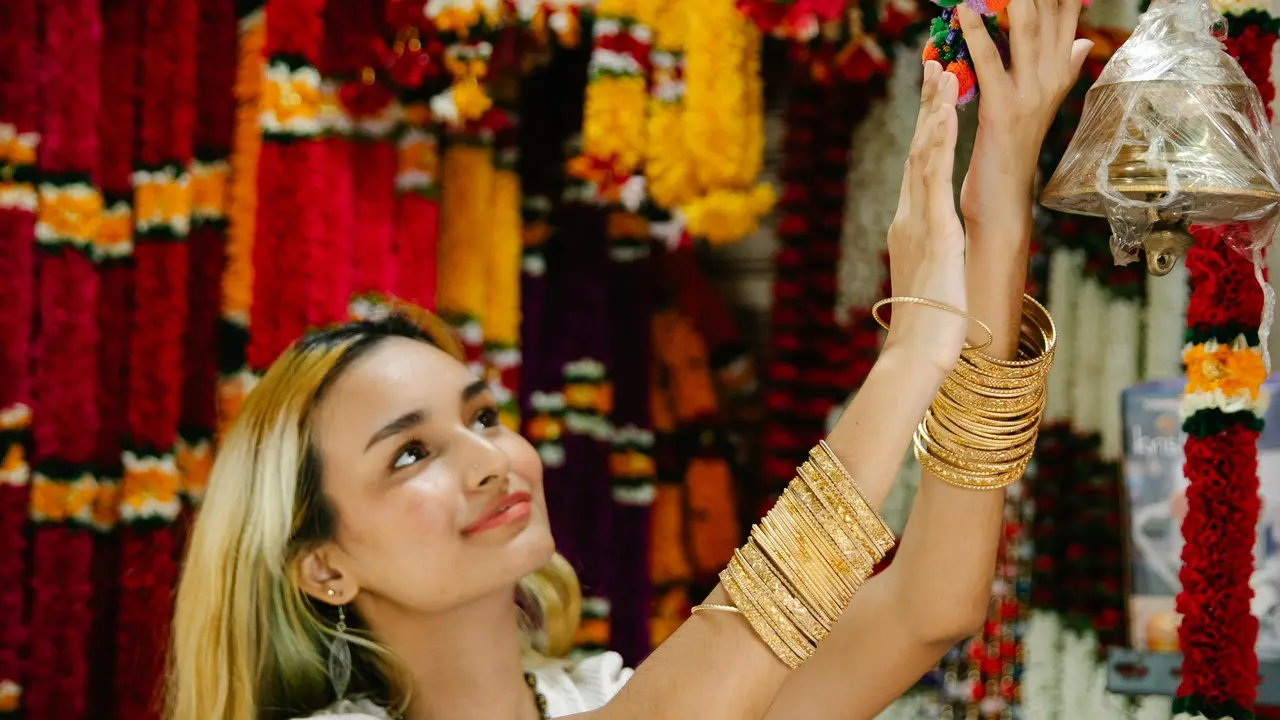
Discover the ultimate shopping experiences in Southeast Asia. Find unique souvenirs and local crafts.
Discover the ultimate shopping experiences in Southeast Asia. Find unique souvenirs and local crafts.
Best Markets for Souvenirs in Southeast Asia Your Ultimate Shopping Guide
Hey there, fellow travelers and souvenir enthusiasts! If you're anything like me, a trip isn't truly complete without bringing home a piece of the culture, a tangible memory that transports you back to those incredible moments. And when it comes to souvenir shopping, Southeast Asia is an absolute paradise. From bustling night markets to quaint artisan villages, this region offers an unparalleled array of unique crafts, delicious treats, and stylish fashion that will make your luggage groan with delight. But with so many options, where do you even begin? Don't sweat it! I've put together this comprehensive guide to help you navigate the best markets for souvenirs across Southeast Asia, ensuring you find those perfect keepsakes without breaking the bank or getting lost in the crowd.
Why Southeast Asia is a Souvenir Shopper's Dream Destination
Before we dive into specific markets, let's talk about why Southeast Asia stands out. First off, the sheer diversity of cultures means an incredible variety of goods. Each country, and often each region within a country, boasts its own distinct artistic traditions, materials, and craftsmanship. Secondly, the prices! Compared to Western countries, you'll find that many handcrafted items are incredibly affordable, especially if you're willing to haggle a little (more on that later!). Thirdly, the experience itself is part of the charm. Shopping in Southeast Asian markets isn't just about buying; it's about immersing yourself in the local life, tasting street food, listening to the chatter, and soaking in the vibrant atmosphere. It's a sensory overload in the best possible way.
Top Markets for Souvenirs in Thailand Bangkok Chiang Mai Phuket
Thailand is often the gateway to Southeast Asia for many, and for good reason. Its markets are legendary!
Chatuchak Weekend Market Bangkok The Ultimate Souvenir Hunt
If you're in Bangkok on a weekend, Chatuchak is non-negotiable. This colossal market is one of the largest in the world, boasting over 15,000 stalls. You can literally find anything here, from vintage clothing and antique furniture to adorable pets and, of course, an endless supply of souvenirs. It's easy to get lost, so grab a map and wear comfortable shoes!
- What to buy: Hand-painted ceramics, Thai silk products (scarves, pillowcases), intricate wood carvings, handmade jewelry, aromatic soaps and essential oils, quirky t-shirts, and traditional Thai snacks.
- Shopping tips: Go early to avoid the heat and crowds. Hydrate frequently. Be prepared to haggle – start at about 30-50% off the asking price. Keep an eye on your belongings.
- Specific Product Recommendations:
- Thai Silk Scarves: Look for genuine silk. A good quality, hand-woven silk scarf can range from 300-1500 THB (approx. $10-$50 USD) depending on size and intricacy. Brands like Jim Thompson are famous, but local market vendors offer beautiful, more affordable options.
- Elephant-themed Handicrafts: From small wooden carvings (50-300 THB / $1.50-$10 USD) to larger painted statues (500-2000 THB / $15-$65 USD), elephants are a popular motif.
- Aromatic Soaps and Spa Products: Many stalls sell beautifully packaged, natural soaps, bath bombs, and essential oils. A set of 3-5 soaps might cost 150-400 THB ($5-$13 USD).
Chiang Mai Night Bazaar Northern Thai Crafts and Delights
Chiang Mai's Night Bazaar is a more relaxed affair than Chatuchak but equally rewarding. Stretching for several blocks, it's perfect for an evening stroll, browsing, and enjoying some delicious street food.
- What to buy: Hill tribe crafts (embroidered bags, silver jewelry), paper lanterns, hand-painted umbrellas, intricate wood carvings, local spices, and traditional Lanna-style clothing.
- Shopping tips: Prices are generally fixed in some shops, but you can still try to negotiate with street vendors. Enjoy the live music and food stalls.
- Specific Product Recommendations:
- Hill Tribe Bags: These colorful, intricately embroidered bags are unique. Small pouches can be 100-300 THB ($3-$10 USD), while larger shoulder bags might be 500-1500 THB ($15-$50 USD).
- Hand-painted Umbrellas: Originating from Borsang village near Chiang Mai, these are beautiful decorative items. Small ones are 150-400 THB ($5-$13 USD), larger ones 500-1000 THB ($15-$33 USD).
- Silver Jewelry: Often made by local artisans, you can find unique designs. Prices vary widely based on silver content and design, from 200 THB ($6.50 USD) for simple earrings to thousands for elaborate necklaces.
Phuket Weekend Market Naka Market Local Flavors and Finds
If you're in Phuket, the Naka Market (also known as Phuket Weekend Market) is a fantastic spot for souvenirs, especially if you're looking for something a bit more local and less touristy than Patong. It's a vibrant mix of food, clothes, and trinkets.
- What to buy: Beachwear, local snacks (dried fruits, spices), small wooden carvings, handmade jewelry, and quirky souvenirs.
- Shopping tips: It gets very crowded, so be patient. Focus on the food section for a delicious experience.
Best Markets for Souvenirs in Vietnam Hanoi Ho Chi Minh City Hoi An
Vietnam offers a rich tapestry of history and culture, reflected beautifully in its handicrafts and markets.
Dong Xuan Market Hanoi A Historic Shopping Experience
Hanoi's largest indoor market, Dong Xuan, is a bustling hub where locals shop for everything imaginable. While the ground floor is mostly food, the upper floors are packed with clothing, fabrics, and a surprising amount of souvenirs.
- What to buy: Silk products (ao dai, scarves), lacquerware, embroidered textiles, traditional Vietnamese conical hats (nón lá), and local coffee.
- Shopping tips: It's primarily a wholesale market, so prices are often good, but you might need to buy in bulk for the best deals. Haggling is expected.
- Specific Product Recommendations:
- Vietnamese Silk Scarves: High-quality silk scarves can be found for 200,000-800,000 VND (approx. $8-$32 USD). Look for intricate patterns.
- Lacquerware: Bowls, trays, and decorative panels. Small items start from 100,000 VND ($4 USD), larger pieces can be 500,000 VND ($20 USD) or more.
- Nón Lá (Conical Hats): A quintessential Vietnamese souvenir, often decorated with paintings. Expect to pay 30,000-100,000 VND ($1.20-$4 USD).
Ben Thanh Market Ho Chi Minh City Iconic and Bustling
Ben Thanh Market is probably the most famous market in Ho Chi Minh City. It's a vibrant, somewhat chaotic place where you can find everything from clothing and textiles to local food and, of course, souvenirs. It's a great spot for people-watching too!
- What to buy: Coffee (especially civet coffee, though be mindful of ethical sourcing), dried fruits, spices, silk products, handicrafts, and custom-made clothing.
- Shopping tips: Be prepared for aggressive vendors and high starting prices. Haggling is essential – aim for 50% off the initial price.
- Specific Product Recommendations:
- Vietnamese Coffee: A 500g bag of good quality ground coffee can be 100,000-300,000 VND ($4-$12 USD). Consider a traditional phin filter (50,000-150,000 VND / $2-$6 USD) to go with it.
- Dried Fruits and Candied Ginger: A popular edible souvenir. A bag might cost 50,000-150,000 VND ($2-$6 USD).
- Custom Tailored Clothing: While not a quick souvenir, many stalls offer custom tailoring for Ao Dai or suits, often ready in 24-48 hours. Prices vary widely but can be very reasonable compared to Western countries.
Hoi An Night Market Lanterns and Tailored Treasures
Hoi An is a UNESCO World Heritage site known for its ancient town, beautiful lanterns, and incredible tailoring. The Night Market, located across the bridge from the old town, is a magical place to shop.
- What to buy: Silk lanterns (collapsible for easy packing!), custom-made clothing (dresses, suits, shoes), leather goods, and local art.
- Shopping tips: Enjoy the ambiance. Many tailors offer quick turnaround times.
- Specific Product Recommendations:
- Silk Lanterns: These are iconic to Hoi An. Small ones are 50,000-150,000 VND ($2-$6 USD), larger ones 200,000-500,000 VND ($8-$20 USD). They fold flat for easy packing.
- Custom Leather Goods: Shoes, bags, and wallets can be custom-made. A pair of custom leather sandals might be 500,000-1,500,000 VND ($20-$60 USD).
Best Markets for Souvenirs in Indonesia Bali Ubud Seminyak
Bali, with its rich artistic heritage and spiritual vibe, is a treasure trove for unique souvenirs.
Ubud Art Market Bali Artistic Crafts and Spiritual Finds
The Ubud Art Market is a must-visit for anyone looking for Balinese handicrafts. It's a vibrant, bustling market where you can find a wide array of beautiful items, often directly from the artisans themselves.
- What to buy: Hand-carved wooden statues (Buddhas, animals), woven baskets, sarongs, silver jewelry, paintings, and traditional Balinese masks.
- Shopping tips: Haggling is expected and part of the fun. Start low and be patient. Many items are similar across stalls, so browse before buying.
- Specific Product Recommendations:
- Wooden Carvings: Small intricate carvings can be 50,000-200,000 IDR ($3-$13 USD), while larger, more detailed pieces can go for 500,000 IDR ($33 USD) or more.
- Balinese Sarongs: Essential for temple visits or as beachwear. Expect to pay 50,000-150,000 IDR ($3-$10 USD) for a good quality one.
- Silver Jewelry: Often handcrafted with intricate designs. Small earrings or pendants can be 100,000-400,000 IDR ($6.50-$26 USD).
Seminyak Flea Market Bali Trendy Finds and Beach Vibes
For a more modern and trendy shopping experience, head to the various flea markets and boutiques in Seminyak. While not a single large market, the area is dotted with smaller markets and independent shops offering stylish goods.
- What to buy: Boho-chic clothing, leather sandals, unique homeware, natural beauty products, and contemporary art.
- Shopping tips: Prices might be slightly higher than in Ubud, but the quality and design often reflect that.
Best Markets for Souvenirs in Malaysia Kuala Lumpur Penang
Malaysia's diverse cultural influences (Malay, Chinese, Indian) make for a fascinating array of souvenirs.
Central Market Kuala Lumpur Cultural Heritage and Crafts
Kuala Lumpur's Central Market, also known as Pasar Seni, is a beautifully restored art deco building that's now a hub for Malaysian arts and crafts. It's a comfortable, air-conditioned environment, making it a pleasant shopping experience.
- What to buy: Batik prints (clothing, scarves), pewter products (Royal Selangor is famous), traditional Malaysian kites (wau), songket textiles, and local snacks.
- Shopping tips: Prices are generally fixed, but you might get a small discount if you buy multiple items.
- Specific Product Recommendations:
- Batik Products: A batik scarf can be 50-200 MYR ($10-$40 USD), while a shirt might be 100-500 MYR ($20-$100 USD). Look for hand-drawn batik for higher quality.
- Pewter Items: Royal Selangor is a world-renowned pewter manufacturer. Small items like keychains or photo frames start from 50 MYR ($10 USD), while larger decorative pieces can be hundreds.
- Songket Textiles: These intricately woven fabrics with gold or silver threads are stunning. A small piece can be 100-500 MYR ($20-$100 USD), while a full garment can be much more.
Jonker Street Night Market Melaka Historical Charm and Unique Finds
While not in KL, Jonker Street Night Market in Melaka (a popular day trip from KL) is worth a mention for its unique Peranakan culture and antique finds. It's a lively street market that comes alive on weekend evenings.
- What to buy: Antique furniture, Peranakan ceramics, local snacks (chendol, pineapple tarts), and unique trinkets.
Best Markets for Souvenirs in Singapore Chinatown Little India
Singapore, while known for its modernity, still offers fantastic cultural enclaves for souvenir hunting.
Chinatown Street Market Singapore Traditional Chinese Goods
Singapore's Chinatown is a vibrant area where you can find a mix of traditional Chinese goods and modern souvenirs. The street market is particularly lively, especially around Chinese New Year.
- What to buy: Silk kimonos, calligraphy sets, traditional Chinese tea, jade jewelry, and quirky souvenirs.
- Shopping tips: Haggling is possible, especially if you buy multiple items.
- Specific Product Recommendations:
- Chinese Tea Sets: Small, decorative tea sets can be 30-100 SGD ($22-$75 USD).
- Silk Kimonos/Robes: Lightweight and comfortable, these can be 20-80 SGD ($15-$60 USD).
Little India Arcade Singapore Indian Spices and Textiles
Step into Little India and you'll be transported to another world. The Little India Arcade is a great place to find authentic Indian goods.
- What to buy: Indian spices, colorful saris and textiles, intricate jewelry, henna kits, and traditional Indian sweets.
- Shopping tips: Enjoy the vibrant atmosphere and aromatic smells.
Best Markets for Souvenirs in The Philippines Manila Cebu
The Philippines offers a unique blend of indigenous, Spanish, and American influences in its crafts.
Divisoria Market Manila Bargain Hunting Extravaganza
Divisoria is Manila's ultimate bargain market. It's chaotic, crowded, and a true local experience. While not specifically a tourist souvenir market, you can find incredible deals on a wide range of goods if you're willing to brave the crowds.
- What to buy: Pearl jewelry (often freshwater), woven baskets, local snacks (dried mangoes!), and clothing.
- Shopping tips: Go with a local if possible. Be very mindful of your belongings. Haggling is a must.
- Specific Product Recommendations:
- Dried Mangoes: A popular and delicious souvenir. A large bag can be 100-300 PHP ($1.70-$5 USD). Brands like Cebu Best are widely available.
- Pearl Jewelry: The Philippines is known for its pearls. A simple pearl necklace can be 500-2000 PHP ($8.50-$34 USD) or more, depending on size and quality.
Carbon Market Cebu City Local Crafts and Produce
Cebu's Carbon Market is one of the oldest and largest public markets in Cebu City. It's a bustling hub for fresh produce, but also a great place to find local handicrafts and souvenirs at very local prices.
- What to buy: Woven products (baskets, mats), shell crafts, local delicacies, and small wooden carvings.
Best Markets for Souvenirs in Cambodia Siem Reap Phnom Penh
Cambodia's markets offer beautiful textiles, stone carvings, and unique items reflecting its rich history.
Old Market Psar Chas Siem Reap Angkor Inspired Souvenirs
Located in the heart of Siem Reap, the Old Market is a fantastic place to find souvenirs after a day of exploring Angkor Wat. It's a mix of food stalls, clothing, and handicrafts.
- What to buy: Silk scarves, silver jewelry, stone carvings (replicas of Angkor reliefs), Krama scarves (traditional Cambodian scarf), and spices.
- Shopping tips: Haggling is expected. Be aware of items that might be mass-produced versus genuinely handcrafted.
- Specific Product Recommendations:
- Krama Scarves: These versatile cotton scarves are a Cambodian staple. Expect to pay 5,000-20,000 KHR ($1.25-$5 USD).
- Silver Jewelry: Often featuring traditional Khmer designs. Small pieces can be 10,000-50,000 KHR ($2.50-$12.50 USD).
- Stone Carvings: Replicas of Angkorian art. Small ones are 20,000-100,000 KHR ($5-$25 USD), larger ones significantly more.
Russian Market Psar Toul Tom Poung Phnom Penh Antiques and Textiles
Phnom Penh's Russian Market is famous for its wide array of goods, from clothing and textiles to antiques and souvenirs. It's a bit more relaxed than some other markets, making for a pleasant browsing experience.
- What to buy: Silk products, wood carvings, silver items, and unique antique finds.
Best Markets for Souvenirs in Laos Luang Prabang Vientiane
Laos, known for its serene beauty, offers exquisite textiles and handicrafts.
Luang Prabang Night Market Handcrafted Textiles and Art
The Luang Prabang Night Market is one of the most charming and well-organized markets in Southeast Asia. It's set up daily along the main street, offering a beautiful display of local crafts.
- What to buy: Hand-woven silk and cotton textiles, intricate silver jewelry, paper lanterns, wood carvings, and local coffee.
- Shopping tips: Prices are generally fair, but a little polite haggling is still acceptable. The atmosphere is very relaxed.
- Specific Product Recommendations:
- Lao Silk Scarves: These are often hand-woven and feature beautiful patterns. A good quality silk scarf can be 80,000-300,000 LAK ($4-$15 USD).
- Silver Jewelry: Often made by local artisans, with unique designs. Small pieces start from 50,000 LAK ($2.50 USD).
Best Markets for Souvenirs in Myanmar Yangon Inle Lake
Myanmar's markets offer unique lacquerware, textiles, and traditional crafts.
Bogyoke Aung San Market Scott Market Yangon Gems and Crafts
Yangon's Bogyoke Aung San Market, commonly known as Scott Market, is a colonial-era building housing hundreds of shops. It's a great place to find a wide variety of Burmese handicrafts.
- What to buy: Lacquerware, precious stones (jade, rubies – buy with caution!), traditional longyi (sarongs), wood carvings, and Shan paper products.
- Shopping tips: Be very careful when buying gems; it's best to go to reputable dealers. Haggling is expected.
- Specific Product Recommendations:
- Burmese Lacquerware: Bowls, trays, and boxes with intricate designs. Small items can be 10,000-50,000 MMK ($5-$25 USD), larger pieces more.
- Longyi: The traditional Burmese sarong, worn by both men and women. A good quality cotton longyi can be 10,000-30,000 MMK ($5-$15 USD).
Best Markets for Souvenirs in The Philippines Manila Cebu
The Philippines offers a unique blend of indigenous, Spanish, and American influences in its crafts.
Divisoria Market Manila Bargain Hunting Extravaganza
Divisoria is Manila's ultimate bargain market. It's chaotic, crowded, and a true local experience. While not specifically a tourist souvenir market, you can find incredible deals on a wide range of goods if you're willing to brave the crowds.
- What to buy: Pearl jewelry (often freshwater), woven baskets, local snacks (dried mangoes!), and clothing.
- Shopping tips: Go with a local if possible. Be very mindful of your belongings. Haggling is a must.
- Specific Product Recommendations:
- Dried Mangoes: A popular and delicious souvenir. A large bag can be 100-300 PHP ($1.70-$5 USD). Brands like Cebu Best are widely available.
- Pearl Jewelry: The Philippines is known for its pearls. A simple pearl necklace can be 500-2000 PHP ($8.50-$34 USD) or more, depending on size and quality.
Carbon Market Cebu City Local Crafts and Produce
Cebu's Carbon Market is one of the oldest and largest public markets in Cebu City. It's a bustling hub for fresh produce, but also a great place to find local handicrafts and souvenirs at very local prices.
- What to buy: Woven products (baskets, mats), shell crafts, local delicacies, and small wooden carvings.
General Tips for Souvenir Shopping in Southeast Asia Smart Traveler Advice
To make your souvenir shopping experience as enjoyable and successful as possible, keep these tips in mind:
Haggling Etiquette and Strategies for Best Prices
Haggling is a common practice in many Southeast Asian markets, especially with street vendors. It's seen as a friendly negotiation, not an aggressive confrontation. Always be polite and smile!
- Start low: A good rule of thumb is to offer 30-50% of the initial asking price.
- Be patient: Don't rush the negotiation.
- Walk away: If you can't agree on a price, politely walk away. Often, the vendor will call you back with a better offer.
- Know your limit: Decide beforehand what you're willing to pay.
- Don't haggle in fixed-price stores: It's considered rude.
Authenticity vs Mass Produced Souvenirs How to Tell the Difference
With the rise of tourism, many markets also sell mass-produced items. If you're looking for something truly authentic:
- Look for imperfections: Handcrafted items often have slight variations or imperfections.
- Ask about the origin: Engage with the vendor. Ask where the item was made or who made it.
- Visit artisan villages: If you have time, visit villages known for specific crafts (e.g., Borsang for umbrellas in Thailand, silver villages in Bali).
- Check materials: Be wary of items claiming to be silk or silver if the price seems too good to be true.
Packing Your Souvenirs Safely and Efficiently Travel Packing Hacks
You've found all these amazing treasures, now how do you get them home?
- Bring an extra bag: A foldable duffel bag is a lifesaver for overflow souvenirs.
- Wrap fragile items: Use clothing, bubble wrap (if you brought some), or even newspaper from your hotel.
- Consider shipping: For very large or valuable items, inquire about international shipping services.
- Check customs regulations: Be aware of any restrictions on bringing certain items (e.g., certain woods, animal products) back to your home country.
Ethical Shopping Supporting Local Communities and Fair Trade
When you buy souvenirs, you have the power to support local communities. Look for:
- Fair trade organizations: Many shops, especially in tourist areas, are part of fair trade initiatives.
- Direct from artisans: Buying directly from the person who made the item ensures they receive the full benefit.
- Sustainable materials: Choose items made from locally sourced, sustainable materials.
- Avoid illegal wildlife products: Never buy items made from endangered species.
Comparing Online Souvenir Shopping vs Local Markets The Experience Factor
In today's digital age, you might wonder if it's easier to just buy souvenirs online. While online platforms offer convenience, they simply can't replicate the magic of a local market.
The Charm of Local Markets Immersive Cultural Experience
Shopping in a Southeast Asian market is an experience in itself. It's about the sights, sounds, and smells. It's about interacting with locals, trying new foods, and discovering hidden gems. You get to see the craftsmanship up close, feel the textures, and often meet the artisans themselves. This personal connection adds immense value to your souvenir.
Online Shopping Convenience vs Authenticity and Price
Online stores like Etsy or specialized cultural shops might offer similar items, but often at a higher price due to shipping and overheads. You also miss out on the haggling opportunity and the joy of discovery. While online shopping is great for specific, hard-to-find items or for replenishing a favorite product, for the true souvenir hunt, nothing beats the local market.
Must Try Market Foods While Souvenir Hunting Culinary Delights
Don't forget that markets are also culinary hotspots! Fuel your shopping spree with these delicious treats:
- Pad Thai Thailand: A classic noodle dish, usually around 50-100 THB ($1.50-$3 USD).
- Banh Mi Vietnam: A delicious Vietnamese sandwich, typically 20,000-50,000 VND ($0.80-$2 USD).
- Satay Malaysia/Indonesia: Skewered grilled meat with peanut sauce, often 1-2 MYR/IDR per stick.
- Mango Sticky Rice Thailand: A sweet and refreshing dessert, 60-120 THB ($2-$4 USD).
- Fresh Fruit Shakes All Countries: A perfect way to cool down, usually 30-80 THB/VND/IDR/MYR/PHP/KHR/LAK/MMK ($1-$3 USD).
So there you have it! Your ultimate guide to navigating the best markets for souvenirs in Southeast Asia. Remember to embrace the chaos, enjoy the haggling, and most importantly, have fun discovering those perfect pieces that will keep your travel memories alive for years to come. Happy shopping!
:max_bytes(150000):strip_icc()/277019-baked-pork-chops-with-cream-of-mushroom-soup-DDMFS-beauty-4x3-BG-7505-5762b731cf30447d9cbbbbbf387beafa.jpg)