Essential Gear for Backpacking Trips
Learn about the must-have gear for successful backpacking trips. Pack smart for comfort and safety on the trails.
Learn about the must-have gear for successful backpacking trips. Pack smart for comfort and safety on the trails.
Essential Gear for Backpacking Trips
Hey there, fellow adventurers! Planning a backpacking trip can be super exciting, but let's be real, the gear list can feel a bit overwhelming. You want to be prepared for anything the trail throws at you, but you also don't want to haul a ton of unnecessary weight. It's all about finding that sweet spot between comfort, safety, and efficiency. This guide is going to break down all the essential gear you'll need, from the big-ticket items to those little things that make a huge difference. We'll even dive into some specific product recommendations, their uses, and what makes them stand out, including their price points. So, let's get packing smart!
Backpacks Choosing the Right Carry for Your Adventure
Your backpack is basically your mobile home on the trail, so choosing the right one is crucial. It needs to be comfortable, durable, and have enough capacity for all your essentials without being overly bulky. When picking a backpack, consider the length of your trip, the amount of gear you'll carry, and your body type.
Backpack Capacity and Fit
For weekend trips (1-3 nights), a 30-50 liter pack is usually sufficient. For longer trips (3-5 nights), you'll likely need a 50-70 liter pack. Extended expeditions (5+ nights) might call for 70 liters or more. The fit is paramount; a properly fitted pack distributes weight evenly, preventing strain. Look for adjustable torso lengths, hip belts that sit on your hip bones, and padded shoulder straps.
Recommended Backpacks
- Osprey Atmos/Aura AG 65 (Men's/Women's): These are consistently top-rated for their incredible Anti-Gravity suspension system, which makes even heavy loads feel lighter. They offer excellent ventilation, multiple access points, and durable construction. Perfect for multi-day trips.
- Use Case: Multi-day to week-long backpacking trips where comfort and ventilation are key.
- Comparison: Known for superior comfort and load distribution compared to many competitors.
- Price: Approximately $270-$300.
- Deuter Aircontact Lite 65 + 10: A great option for those looking for a balance of comfort, weight, and affordability. It's known for its excellent ventilation and adjustable fit.
- Use Case: Ideal for trekkers who prioritize a lighter pack without sacrificing comfort for longer trips.
- Comparison: Lighter than the Osprey Atmos/Aura but still offers good load-carrying capabilities.
- Price: Approximately $200-$240.
- REI Co-op Flash 55: A fantastic lightweight option for those who want to shed ounces. It's highly customizable and surprisingly comfortable for its weight.
- Use Case: Ultralight backpacking, thru-hiking, or shorter trips where every ounce counts.
- Comparison: Significantly lighter than the previous two, but might sacrifice some padding and features.
- Price: Approximately $199-$220.
Shelter Your Home Away From Home on the Trail
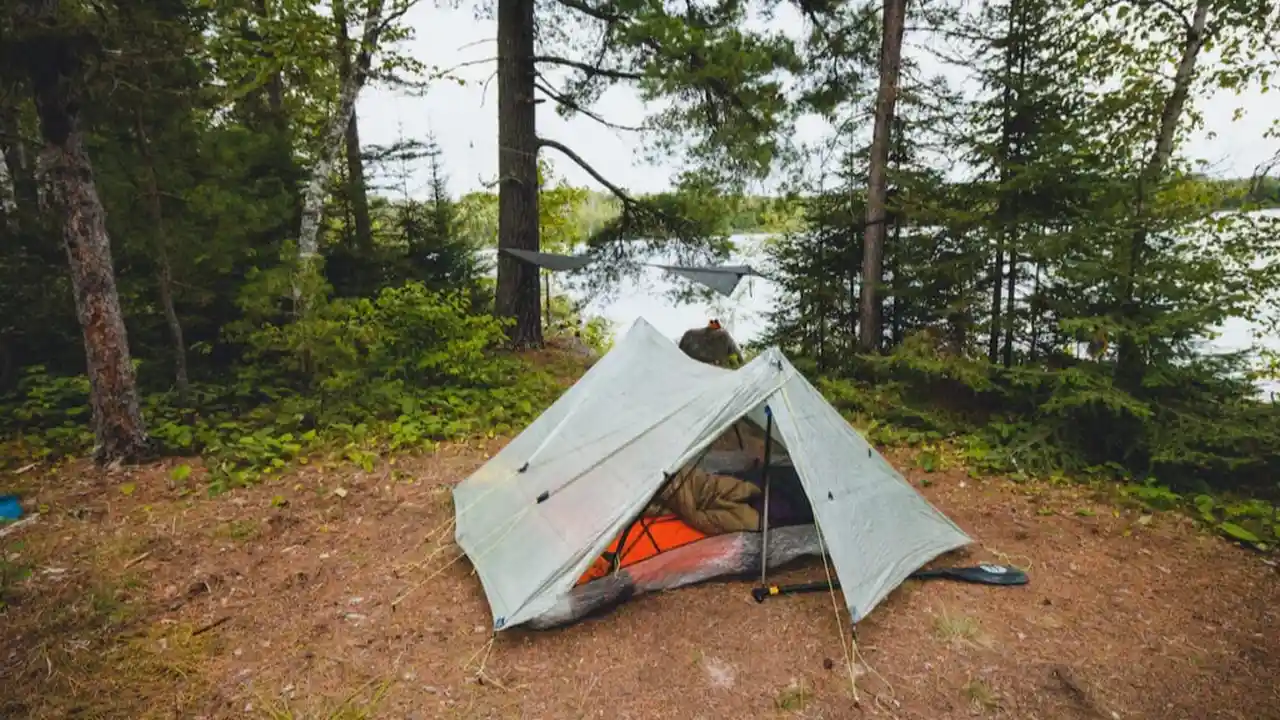
After a long day of hiking, a reliable shelter is non-negotiable. Your tent needs to protect you from the elements, be relatively lightweight, and easy to set up. Consider the number of people, expected weather conditions, and weight when choosing.
Tent Types and Features
Three-season tents are the most common, suitable for spring, summer, and fall. Look for good ventilation to prevent condensation, durable materials, and a waterproof rainfly. Ultralight tents are great for minimizing weight but might sacrifice some space or durability.
Recommended Tents
- MSR Hubba Hubba NX 2-Person Tent: A classic for a reason. It's lightweight, incredibly easy to set up, and offers excellent livability with two doors and two vestibules.
- Use Case: Two-person backpacking trips in three-season conditions where weight and space are important.
- Comparison: Known for its excellent balance of weight, durability, and livability.
- Price: Approximately $450-$500.
- Big Agnes Copper Spur HV UL2 Tent: Another ultralight favorite, known for its impressive space-to-weight ratio. It's incredibly light but still offers good headroom and two doors.
- Use Case: Ultralight backpacking for two people, especially when every gram matters.
- Comparison: Lighter than the Hubba Hubba, often preferred by thru-hikers.
- Price: Approximately $470-$520.
- REI Co-op Half Dome SL 2+ Tent: A fantastic value option that offers a lot of space and features for its price. It's a bit heavier than the ultralight options but very durable.
- Use Case: Budget-conscious backpackers or those who prioritize space and durability over minimal weight.
- Comparison: Heavier but more affordable and spacious than the MSR and Big Agnes options.
- Price: Approximately $329-$350.
Sleeping System Rest Easy on the Trail
A good night's sleep is crucial for enjoying your backpacking trip. Your sleeping system consists of a sleeping bag and a sleeping pad, both of which need to be appropriate for the temperatures you'll encounter.
Sleeping Bags Temperature Ratings and Fill Types
Sleeping bags are rated by temperature, indicating the lowest temperature at which an average person will sleep comfortably. Choose a bag with a rating slightly lower than the coldest temperature you expect. Down fill is lighter and more compressible but loses insulating power when wet. Synthetic fill is heavier and bulkier but performs better in damp conditions.
Recommended Sleeping Bags
- Western Mountaineering UltraLite 20F: A premium down bag known for its exceptional warmth-to-weight ratio and high-quality construction.
- Use Case: Three-season backpacking where warmth and minimal weight are paramount.
- Comparison: Top-tier performance, but comes with a higher price tag.
- Price: Approximately $550-$600.
- REI Co-op Magma 15 Sleeping Bag: A great value down bag that offers excellent warmth and compressibility for its price.
- Use Case: Three-season backpacking for those seeking a good balance of performance and cost.
- Comparison: Offers comparable warmth to higher-end bags at a more accessible price.
- Price: Approximately $379-$400.
- Marmot Trestles Elite Eco 20F: A good synthetic option that performs well in damp conditions and is made with recycled materials.
- Use Case: Backpackers who prioritize performance in wet conditions or prefer synthetic insulation.
- Comparison: Heavier and bulkier than down bags but more resilient to moisture.
- Price: Approximately $160-$180.
Sleeping Pads Insulation and Comfort
A sleeping pad provides insulation from the cold ground and cushioning for comfort. Look for an R-value, which indicates its insulating power (higher R-value means more insulation). Inflatable pads offer the most comfort and insulation, while closed-cell foam pads are durable and affordable.
Recommended Sleeping Pads
- Therm-a-Rest NeoAir XLite NXT: The gold standard for ultralight inflatable pads. It offers incredible warmth and comfort for its minimal weight and packed size.
- Use Case: Ultralight backpacking where warmth, comfort, and minimal weight are crucial.
- Comparison: Unmatched warmth-to-weight ratio among inflatable pads.
- Price: Approximately $200-$230.
- NEMO Tensor Insulated Sleeping Pad: Another excellent inflatable option known for its quietness and comfort.
- Use Case: Backpackers who prioritize a quiet and comfortable sleep experience.
- Comparison: Often praised for being less crinkly than some other inflatable pads.
- Price: Approximately $180-$210.
- Therm-a-Rest Z Lite Sol Sleeping Pad: A classic closed-cell foam pad that's virtually indestructible and provides decent insulation.
- Use Case: Budget-conscious backpackers, those who want a durable and reliable pad, or as a secondary pad.
- Comparison: Less comfortable and insulating than inflatable pads but much more durable and affordable.
- Price: Approximately $50-$60.
Cooking System Fueling Your Adventures
Even if you're planning on mostly cold meals, having a way to boil water for coffee, rehydrated meals, or hot drinks is a game-changer. Your cooking system should be lightweight, efficient, and reliable.
Stoves and Fuel Types
Canister stoves are popular for their ease of use and quick boil times. Liquid fuel stoves are better for cold weather and longer trips, as fuel is more readily available globally. Alcohol stoves are ultralight but slower.
Recommended Cooking Systems
- Jetboil Flash Cooking System: An integrated stove system that boils water incredibly fast. Perfect for rehydrating meals and making hot drinks.
- Use Case: Solo or duo backpackers who primarily need to boil water quickly and efficiently.
- Comparison: Faster boil times than most traditional canister stoves.
- Price: Approximately $120-$140.
- MSR PocketRocket 2 Stove: A tiny, ultralight canister stove that's surprisingly powerful and reliable.
- Use Case: Ultralight backpackers who want a compact and efficient stove for boiling water and simple cooking.
- Comparison: One of the lightest and most compact canister stoves available.
- Price: Approximately $50-$60.
- Snow Peak Titanium Mini Solo Cookset: A lightweight and durable cookset that pairs well with a small stove.
- Use Case: Solo backpackers who want a complete, ultralight cooking and eating solution.
- Comparison: Titanium construction offers excellent strength-to-weight ratio.
- Price: Approximately $60-$70 (cookset only).
Water Purification Staying Hydrated Safely
Access to clean drinking water is paramount for any backpacking trip. Carrying enough water for an entire trip is often impractical, so a reliable purification method is essential.
Purification Methods Filters, Purifiers, and Chemicals
Water filters remove bacteria and protozoa. Water purifiers remove viruses as well (important in some international destinations). Chemical treatments (like iodine or chlorine dioxide) are lightweight backups but can have a taste. UV purifiers use ultraviolet light to kill pathogens.
Recommended Water Purification Systems
- Sawyer Squeeze Water Filter System: Incredibly popular for its lightweight design, effectiveness, and ease of use. It filters out bacteria and protozoa.
- Use Case: Most backpacking trips in areas where viruses are not a primary concern.
- Comparison: One of the most cost-effective and reliable filters on the market.
- Price: Approximately $30-$40.
- Katadyn BeFree Water Filter: Another excellent lightweight filter that offers a fast flow rate and is easy to clean.
- Use Case: Backpackers who prioritize a fast flow rate and easy maintenance.
- Comparison: Often praised for its faster flow compared to the Sawyer Squeeze.
- Price: Approximately $40-$50.
- Platypus GravityWorks 4.0L Filter System: Great for groups, this gravity-fed system allows you to filter a large amount of water with minimal effort.
- Use Case: Group backpacking trips or when you need to filter a lot of water at once.
- Comparison: More efficient for larger volumes than squeeze filters.
- Price: Approximately $120-$140.
Navigation Staying on Track and Safe
Getting lost is no fun, and it can be dangerous. Always carry multiple navigation tools and know how to use them. Don't rely solely on your phone!
Navigation Tools Maps, Compasses, and GPS Devices
A physical map of your area and a compass are essential backups. A GPS device or a smartphone with downloaded offline maps can be incredibly helpful, but batteries die. Always have a way to charge your devices.
Recommended Navigation Tools
- Garmin inReach Mini 2: A satellite communicator that allows two-way messaging, SOS capabilities, and basic navigation. A lifesaver in areas without cell service.
- Use Case: Any backcountry trip where cell service is unreliable, providing a critical safety net.
- Comparison: Offers more features and reliability than basic personal locator beacons (PLBs).
- Price: Approximately $350-$400 (plus subscription plan).
- Suunto M-3 D Leader Compass: A reliable, durable, and easy-to-use compass that's a must-have for any backpacker.
- Use Case: Essential for traditional navigation with a map, especially as a backup to electronic devices.
- Comparison: A classic, robust compass that's highly accurate.
- Price: Approximately $40-$50.
- Gaia GPS App (Premium Subscription): A powerful smartphone app for offline maps, route planning, and navigation. Download maps before you go!
- Use Case: Primary navigation tool for many, especially when paired with a power bank.
- Comparison: Offers detailed topographic maps and advanced features for route planning.
- Price: Approximately $40/year for premium.
First Aid and Safety Prepared for the Unexpected
Accidents happen, even to the most experienced backpackers. A well-stocked first-aid kit and knowledge of basic wilderness first aid are non-negotiable. Beyond first aid, consider other safety items.
First Aid Kit Essentials
Your kit should include bandages, antiseptic wipes, pain relievers, blister treatment, gauze, medical tape, and any personal medications. Consider taking a wilderness first aid course.
Recommended Safety Gear
- Adventure Medical Kits Mountain Series Hiker Medical Kit: A comprehensive and well-organized first-aid kit designed for hikers and backpackers.
- Use Case: Essential for treating common trail injuries and ailments.
- Comparison: More comprehensive than basic kits, tailored for outdoor use.
- Price: Approximately $30-$40.
- Black Diamond Spot 400 Headlamp: A powerful and reliable headlamp with multiple light modes and a long battery life. Essential for navigating in the dark.
- Use Case: Night hiking, setting up camp in the dark, or emergency lighting.
- Comparison: Offers a good balance of brightness, battery life, and features for its price.
- Price: Approximately $50-$60.
- Bear Canister (e.g., BearVault BV500): Required in many wilderness areas to protect your food from bears and other animals.
- Use Case: Backpacking in areas with active bear populations.
- Comparison: Bear canisters are generally more reliable than bear bags for preventing animal access.
- Price: Approximately $70-$80.
Clothing Layering for Comfort and Protection
The key to comfortable backpacking clothing is layering. This allows you to adapt to changing weather conditions throughout the day. Avoid cotton, as it absorbs moisture and dries slowly, leading to chilling.
Layering System Base, Mid, and Outer Layers
Base layers (merino wool or synthetic) wick moisture away from your skin. Mid-layers (fleece or puffy jackets) provide insulation. Outer layers (rain jacket and pants) offer protection from wind and rain.
Recommended Clothing Items
- Smartwool Merino 150 Base Layer: Excellent for moisture-wicking and odor resistance, keeping you comfortable in various temperatures.
- Use Case: Next-to-skin layer for warmth and moisture management.
- Comparison: Merino wool is superior to synthetic for odor control and natural feel.
- Price: Approximately $80-$100 (top or bottom).
- Patagonia R1 Fleece Pullover: A versatile mid-layer that provides excellent warmth for its weight and breathes well during activity.
- Use Case: Active insulation during cooler weather or as a layering piece under a shell.
- Comparison: Known for its grid fleece design that optimizes warmth and breathability.
- Price: Approximately $130-$150.
- Outdoor Research Helium Rain Jacket: An ultralight and highly packable rain jacket that offers reliable waterproof protection.
- Use Case: Essential outer layer for protection against rain and wind.
- Comparison: One of the lightest and most packable fully waterproof jackets.
- Price: Approximately $160-$180.
Footwear and Socks Protecting Your Feet
Your feet are your most important asset on a backpacking trip. Investing in good footwear and socks will prevent blisters and keep you comfortable.
Hiking Boots vs Trail Runners
Hiking boots offer ankle support and durability, good for rugged terrain and heavy loads. Trail runners are lighter, more breathable, and dry faster, preferred by many ultralight backpackers for less technical trails.
Recommended Footwear and Socks
- Hoka Speedgoat 5 Trail Running Shoes: Excellent cushioning and grip, making them a popular choice for long-distance hikers and trail runners.
- Use Case: Fast-and-light backpacking on varied terrain.
- Comparison: Offers more cushioning than many traditional hiking boots, reducing foot fatigue.
- Price: Approximately $160-$170.
- Salomon X Ultra 4 Mid GTX Hiking Boots: A great balance of support, protection, and comfort for traditional hiking.
- Use Case: Backpacking on rugged trails, carrying heavier loads, or when ankle support is desired.
- Comparison: More supportive and protective than trail runners, but heavier.
- Price: Approximately $160-$180.
- Darn Tough Hiker Micro Crew Cushion Socks: These merino wool socks are incredibly durable, comfortable, and resist odors. They're a favorite among backpackers.
- Use Case: All-day comfort and blister prevention on the trail.
- Comparison: Superior durability and comfort compared to cotton or cheaper synthetic socks.
- Price: Approximately $20-$25 per pair.
Miscellaneous Essentials Small Items Big Impact
Beyond the big gear, there are a bunch of smaller items that are absolutely essential for a successful and enjoyable backpacking trip. Don't overlook these!
Personal Hygiene and Repair Kits
Think about a small trowel for digging catholes, toilet paper, hand sanitizer, and a small repair kit (duct tape, needle, thread, safety pins) for gear fixes.
Recommended Miscellaneous Items
- Anker PowerCore 10000 Portable Charger: A compact and powerful power bank to keep your electronics charged on the go.
- Use Case: Charging phones, headlamps, and other USB-powered devices.
- Comparison: Offers a good balance of capacity and portability.
- Price: Approximately $25-$35.
- Opinel No 8 Carbon Steel Folding Knife: A simple, lightweight, and incredibly sharp knife for various camp tasks.
- Use Case: Food prep, cutting cordage, opening packages, and general utility.
- Comparison: Classic design, excellent value, and very sharp.
- Price: Approximately $20-$25.
- Sea to Summit Ultra-Sil Dry Sack (various sizes): Essential for keeping your gear dry inside your pack, especially your sleeping bag and extra clothes.
- Use Case: Waterproofing critical gear inside your backpack.
- Comparison: Ultralight and durable, available in many sizes.
- Price: Approximately $15-$30 depending on size.
- Sunscreen and Insect Repellent: Protect your skin from the sun and ward off annoying bugs.
- Use Case: Essential for personal protection in the outdoors.
- Comparison: Choose broad-spectrum sunscreen and repellent with DEET or picaridin for effectiveness.
- Price: Varies, typically $10-$20 each.
- Trowel and Toilet Paper: For proper human waste disposal, following Leave No Trace principles.
- Use Case: Essential for hygiene and environmental responsibility.
- Comparison: Lightweight plastic trowels are common.
- Price: Trowel approximately $10-$15.
Packing Smart and Efficiently Maximizing Space and Minimizing Weight
Once you've gathered all your gear, the next challenge is packing it efficiently. The goal is to distribute weight properly, keep frequently used items accessible, and protect sensitive gear.
Weight Distribution and Accessibility
Place heavier items (like water and food) close to your back and in the middle of your pack. Lighter, bulkier items (like your sleeping bag) go at the bottom. Frequently accessed items (like snacks, map, and rain gear) should be in outer pockets or at the top.
Tips for a Well-Packed Backpack
- Use dry sacks or trash compactor bags to line your pack and keep everything dry.
- Compress clothing and sleeping bags as much as possible.
- Don't attach too much gear to the outside of your pack, as it can snag and throw off your balance.
- Practice packing your pack before your trip to ensure everything fits and you know where things are.
Alright, so there you have it! A comprehensive rundown of the essential gear for your next backpacking adventure. Remember, this is a starting point, and you'll refine your gear list over time as you gain more experience. The most important thing is to get out there, be prepared, and enjoy the incredible beauty of the wilderness. Happy trails!
:max_bytes(150000):strip_icc()/277019-baked-pork-chops-with-cream-of-mushroom-soup-DDMFS-beauty-4x3-BG-7505-5762b731cf30447d9cbbbbbf387beafa.jpg)