Best Kayaking and Canoeing Spots
Discover the most scenic kayaking and canoeing spots. Enjoy peaceful paddles and exciting river adventures.
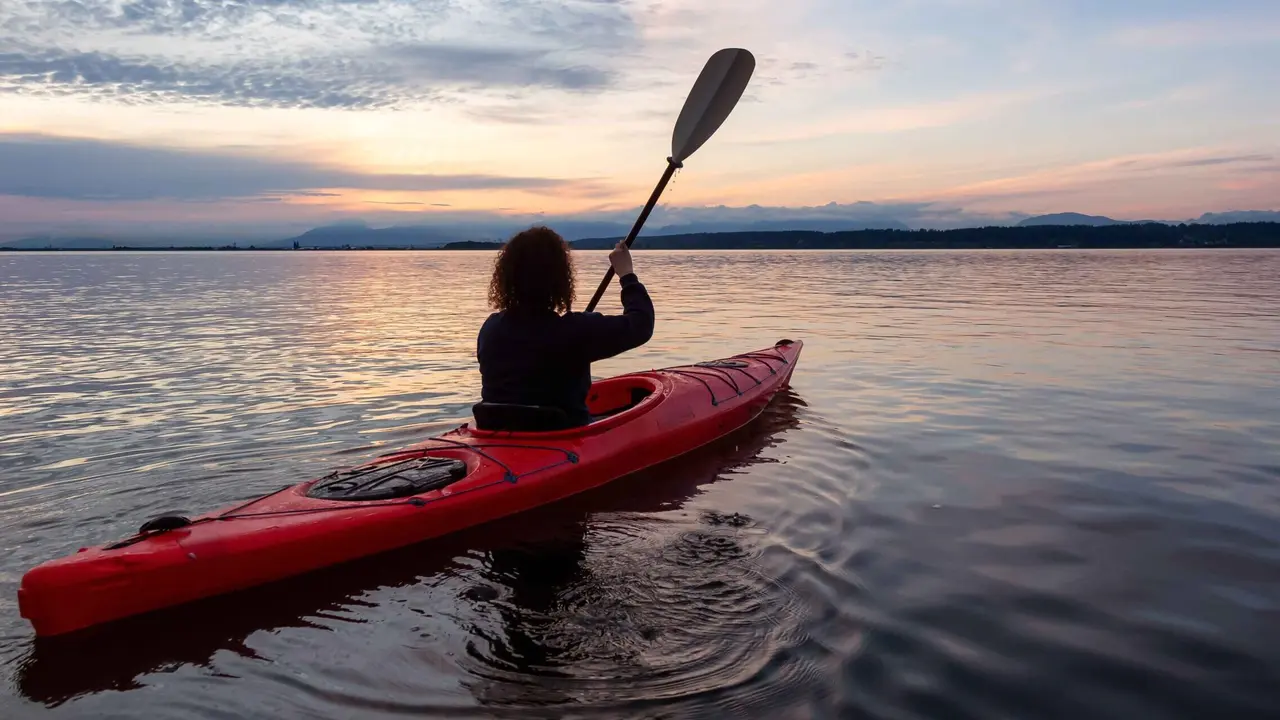
Discover the most scenic kayaking and canoeing spots. Enjoy peaceful paddles and exciting river adventures.
Best Kayaking and Canoeing Spots for Every Paddler
Hey there, fellow water enthusiasts! Ready to dip your paddle into some of the most breathtaking waters around? Whether you're a seasoned kayaker looking for your next big adventure or a canoeing newbie eager to explore serene lakes, you've landed in the right place. We're diving deep into the best kayaking and canoeing spots, offering everything from tranquil glides to thrilling rapids. Plus, we'll talk gear, comparing some top-notch kayaks and canoes, their ideal uses, and what you can expect to pay. Let's get wet!
Top Kayaking Destinations Exploring Scenic Waters
Kayaking offers a unique perspective of the world, allowing you to navigate narrow waterways, explore hidden coves, and get up close with nature. Here are some of the absolute best places to launch your kayak:
Glacier Bay National Park Alaska Kayaking Wilderness
Imagine paddling through icy fjords, surrounded by towering glaciers that calve with a thunderous roar. Glacier Bay National Park in Alaska is an unparalleled kayaking destination. It's a true wilderness experience, offering opportunities to spot whales, seals, and bears from your kayak. The sheer scale of the landscape is humbling, and the silence, broken only by the sounds of nature, is profound.
- Best for: Experienced kayakers, wilderness adventurers, wildlife photographers.
- When to go: June to early September for the best weather and wildlife viewing.
- What to expect: Cold water, potential for strong currents, remote camping, incredible scenery.
Na Pali Coast Kauai Hawaii Kayaking Paradise
For something completely different, head to the Na Pali Coast of Kauai, Hawaii. This iconic coastline, with its emerald-hued cliffs, lush valleys, and cascading waterfalls, is best explored by kayak. You can paddle into sea caves, snorkel in crystal-clear waters, and marvel at the dramatic landscape. It's a challenging paddle due to ocean swells, but the rewards are immense.
- Best for: Intermediate to advanced kayakers, ocean lovers, those seeking stunning coastal scenery.
- When to go: May to September for calmer ocean conditions.
- What to expect: Open ocean paddling, potential for large swells, incredible snorkeling, remote beaches.
Apostle Islands National Lakeshore Wisconsin Kayaking Caves
If freshwater adventures are more your style, the Apostle Islands National Lakeshore in Wisconsin offers spectacular sea caves carved into sandstone cliffs. Lake Superior's clear, cold waters provide a stunning backdrop for exploring these intricate formations. In winter, the caves transform into breathtaking ice formations, though kayaking is only possible in warmer months.
- Best for: All skill levels (with guided tours for beginners), nature lovers, geology enthusiasts.
- When to go: June to September for the best weather and access to the caves.
- What to expect: Cold water, stunning rock formations, potential for fog, guided tours available.
Premier Canoeing Spots Exploring Serene Lakes and Rivers
Canoeing often evokes images of peaceful glides across calm waters, perfect for family outings or a quiet escape into nature. Here are some top picks for your next canoeing adventure:
Boundary Waters Canoe Area Wilderness Minnesota Canoeing Trips
The Boundary Waters Canoe Area Wilderness (BWCAW) in Minnesota is a paddler's paradise, offering over a million acres of pristine lakes and forests. It's a true wilderness experience where motorboats are largely prohibited, ensuring peace and quiet. You can portage between lakes, fish for walleye and northern pike, and camp on secluded islands. It's an ideal spot for multi-day canoe trips.
- Best for: All skill levels (with proper planning), wilderness camping, fishing, multi-day trips.
- When to go: May to October, with early summer and fall offering fewer bugs and beautiful foliage.
- What to expect: Portaging, remote camping, abundant wildlife, strict wilderness regulations.
Algonquin Provincial Park Ontario Canada Canoeing Adventures
Just north of the US border, Algonquin Provincial Park in Ontario, Canada, is another world-class canoeing destination. With thousands of lakes and rivers, it offers endless routes for day trips or extended expeditions. The park is famous for its moose sightings, stunning fall colors, and well-maintained portage trails. It's a fantastic place to learn canoeing or hone your skills.
- Best for: All skill levels, wildlife viewing, fall foliage, multi-day trips.
- When to go: May to October, with September and October offering spectacular fall colors.
- What to expect: Well-marked portage trails, abundant wildlife (especially moose), designated campsites.
Buffalo National River Arkansas Canoeing Floating
For a warmer water experience, the Buffalo National River in Arkansas is a gem. As America's first national river, it's undammed and free-flowing, offering stunning bluffs, clear waters, and abundant wildlife. Canoeing here is often referred to as 'floating,' and it's a perfect activity for families or those looking for a relaxed paddle with occasional gentle rapids. You can stop at sandbars for picnics or explore side creeks.
- Best for: All skill levels, families, scenic floats, swimming.
- When to go: Spring and early summer for higher water levels, fall for beautiful foliage and fewer crowds.
- What to expect: Gentle currents, stunning bluffs, swimming opportunities, designated access points.
Comparing Kayaks and Canoes Choosing Your Perfect Paddle Craft
So, you're inspired to hit the water, but what craft should you choose? Kayaks and canoes both offer incredible ways to explore, but they have distinct differences that make them better suited for different activities and paddlers.
Kayaks vs Canoes Understanding the Differences
The most obvious difference is how you sit and paddle. In a kayak, you typically sit with your legs extended in front of you, using a double-bladed paddle. Canoes, on the other hand, usually involve kneeling or sitting on a raised seat, using a single-bladed paddle. Kayaks are generally faster and more maneuverable, especially in rougher waters, while canoes offer more cargo space and are often more stable, making them great for families or longer trips with lots of gear.
Types of Kayaks Recreational Touring Whitewater
Kayaks come in many forms:
- Recreational Kayaks: These are stable, easy to maneuver, and perfect for calm lakes and slow-moving rivers. They're often shorter and wider, making them great for beginners.
- Touring Kayaks (Sea Kayaks): Longer and narrower, these are designed for efficiency and tracking in open water, like oceans or large lakes. They often have storage hatches for multi-day trips.
- Whitewater Kayaks: Short, highly maneuverable, and very durable, these are built for navigating rapids and challenging rivers.
- Sit-on-Top Kayaks: Popular for warmer climates and fishing, these are very stable and easy to get in and out of.
Types of Canoes Recreational Expedition Whitewater
Canoes also have their specialties:
- Recreational Canoes: Stable and versatile, these are great for general use on lakes and calm rivers. They're often made of aluminum or polyethylene.
- Expedition Canoes: Longer and designed to carry a lot of gear, these are perfect for multi-day wilderness trips with portaging.
- Whitewater Canoes: Shorter, more rockered, and very durable, these are built to handle rapids.
Recommended Kayak Models Features and Pricing
Let's talk about some specific models that consistently get high marks from paddlers. Remember, prices can vary based on materials, features, and where you buy them.
Perception Pescador 12 Angler Fishing Kayak
This is a fantastic sit-on-top kayak, especially popular with anglers, but also great for recreational paddling. It's stable, tracks well, and has plenty of storage and rigging options for fishing gear. It's a great all-rounder for lakes and slow rivers.
- Ideal Use: Fishing, recreational paddling on lakes and calm rivers.
- Key Features: Comfortable seat, large storage well, molded-in rod holders, stable hull design.
- Price Range: $700 - $900 USD.
- Why we like it: Excellent stability for casting, comfortable for longer paddles, good value.
Wilderness Systems Tsunami 140 Touring Kayak
If you're looking to cover some serious distance on larger bodies of water, the Tsunami 140 is a top-tier touring kayak. It's known for its comfortable outfitting, excellent tracking, and efficient glide. It has ample storage for multi-day trips and handles chop well.
- Ideal Use: Touring, multi-day trips, open water paddling (large lakes, coastal areas).
- Key Features: Adjustable Phase 3 AirPro seating, rudder ready, bow and stern bulkheads for dry storage, good secondary stability.
- Price Range: $1,200 - $1,600 USD.
- Why we like it: Super comfortable for long hours, tracks like a dream, reliable in varied conditions.
Jackson Kayak Antix 2.0 Whitewater Kayak
For those who crave the thrill of whitewater, the Jackson Antix 2.0 is a playful and forgiving river runner. It's designed to be fun and easy to paddle in rapids, with enough volume to punch through holes and a planing hull for surfing waves. It's a great choice for intermediate whitewater paddlers looking to progress their skills.
- Ideal Use: Whitewater rivers, playboating, river running.
- Key Features: Planing hull, comfortable outfitting, good volume distribution, durable construction.
- Price Range: $1,400 - $1,800 USD.
- Why we like it: Fun and forgiving, great for learning and progressing in whitewater, very durable.
Recommended Canoe Models Performance and Cost
Canoes offer a different kind of paddling experience, often more communal and gear-friendly. Here are some excellent options:
Old Town Discovery 158 Recreational Canoe
The Old Town Discovery 158 is a classic for a reason. It's incredibly stable, durable, and versatile, making it an excellent choice for families, fishing, or just leisurely paddles on lakes and calm rivers. It can handle a good amount of gear and is virtually indestructible thanks to its three-layer polyethylene construction.
- Ideal Use: Recreational paddling, family outings, fishing, calm rivers and lakes.
- Key Features: Three-layer polyethylene hull, comfortable molded seats, high capacity, very stable.
- Price Range: $900 - $1,200 USD.
- Why we like it: Unmatched stability, very durable, great for beginners and families, good value.
Wenonah Spirit II Expedition Canoe
For serious wilderness tripping and portaging, the Wenonah Spirit II is a top performer. It's a lightweight, efficient, and versatile canoe that tracks well on open water but is still maneuverable enough for winding rivers. Available in various lightweight materials like T-Formex or Kevlar, it's designed for long hauls and heavy loads.
- Ideal Use: Wilderness expeditions, multi-day trips, portaging, large lakes and rivers.
- Key Features: Efficient hull design, excellent tracking, high capacity, available in lightweight materials.
- Price Range: $2,000 - $4,000+ USD (depending on material).
- Why we like it: Super efficient for long distances, surprisingly stable for its speed, a true workhorse for tripping.
Nova Craft Prospector 16 Whitewater Canoe
The Prospector design is legendary in the canoeing world, and Nova Craft's version of the 16-foot Prospector is a fantastic all-rounder, capable of handling everything from flatwater to moderate whitewater. Its symmetrical hull and ample rocker make it highly maneuverable, while still offering good capacity for gear. It's a favorite among experienced paddlers who want a versatile canoe.
- Ideal Use: All-around paddling, whitewater, tripping, tandem or solo.
- Key Features: Symmetrical hull, moderate rocker, durable T-Formex construction, versatile performance.
- Price Range: $2,500 - $3,500 USD.
- Why we like it: Incredibly versatile, handles whitewater well, still performs on flatwater, a classic design.
Essential Paddling Gear What You Need to Get Started
Beyond the boat itself, a few key pieces of gear are absolutely essential for a safe and enjoyable paddling experience.
Personal Flotation Devices PFDs Safety First
A PFD (Personal Flotation Device), or life jacket, is non-negotiable. Always wear one, even if you're a strong swimmer. There are different types of PFDs for different activities (e.g., recreational, touring, whitewater), so choose one that fits well and is comfortable for your chosen activity. Expect to pay anywhere from $50 to $200 for a good quality PFD.
Paddles Kayak Paddles Canoe Paddles Choosing Wisely
Your paddle is your engine! For kayaks, you'll need a double-bladed paddle, and for canoes, a single-bladed paddle. The length and blade shape will depend on your height, the width of your boat, and the type of paddling you're doing. Materials range from aluminum and plastic (more affordable, around $50-$100) to fiberglass and carbon fiber (lighter, more efficient, $150-$400+).
Dry Bags and Waterproof Containers Protecting Your Gear
Water and electronics don't mix! Invest in good quality dry bags to keep your spare clothes, phone, camera, and other essentials safe and dry. Waterproof cases for phones are also a smart idea. A set of various-sized dry bags might cost you $30-$100.
Safety Gear Whistles Ropes First Aid Kits
Always carry a whistle to signal for help, a throw bag with a rope for rescues, and a well-stocked first aid kit. A small repair kit for your boat can also be a lifesaver. These items are relatively inexpensive but invaluable in an emergency.
Planning Your Paddling Trip Tips for Success
Once you've got your gear and your destination in mind, a little planning goes a long way to ensure a smooth and fun trip.
Checking Weather and Water Conditions Staying Safe
Before you head out, always check the weather forecast and current water conditions (wind, currents, water levels). Conditions can change rapidly, especially on large lakes or rivers. If in doubt, don't go out.
Permits and Regulations Understanding Local Rules
Many popular paddling destinations, especially national parks and wilderness areas, require permits or have specific regulations (e.g., no motors, designated campsites). Always research and obtain any necessary permits in advance to avoid fines or disappointment.
Packing Smart Food Water Navigation
Pack enough food and water for your trip, plus a little extra. Bring a map and compass (and know how to use them!), even if you're relying on GPS. Tell someone your float plan – where you're going and when you expect to be back. Dress in layers, and avoid cotton, which stays wet and cold.
Embracing the Paddling Lifestyle Enjoying the Journey
Kayaking and canoeing are more than just sports; they're gateways to incredible experiences, peaceful moments, and unforgettable adventures. Whether you're chasing adrenaline on whitewater or seeking serenity on a glassy lake, there's a perfect paddling spot and craft waiting for you. So grab your paddle, embrace the water, and let the journey begin!
:max_bytes(150000):strip_icc()/277019-baked-pork-chops-with-cream-of-mushroom-soup-DDMFS-beauty-4x3-BG-7505-5762b731cf30447d9cbbbbbf387beafa.jpg)