Comparing Tents for Different Camping Styles
Choose the perfect tent for your camping needs. Compare options for backpacking, family camping, and more.
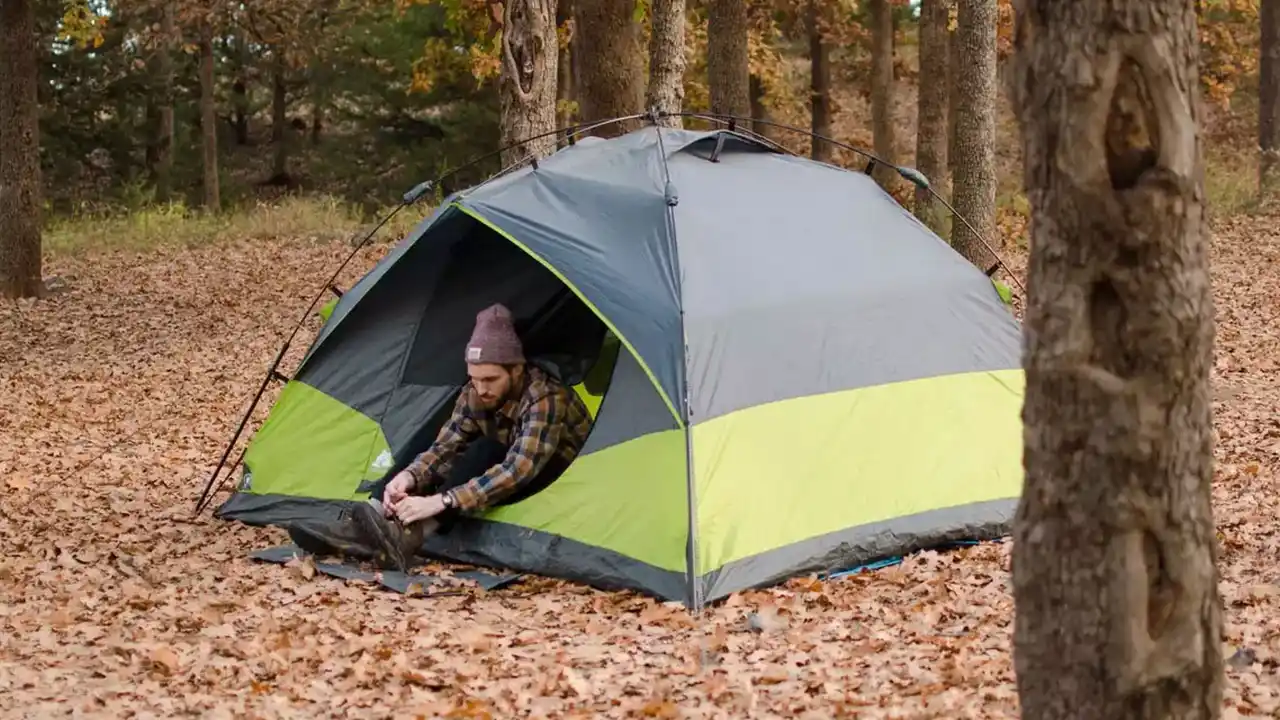
Choose the perfect tent for your camping needs. Compare options for backpacking, family camping, and more.
Comparing Tents for Different Camping Styles Your Ultimate Guide
So, you're ready to hit the great outdoors, huh? That's awesome! But before you can enjoy those starry nights and crackling campfires, there's one crucial piece of gear you need to nail down: your tent. It's not just a piece of fabric; it's your home away from home, your shelter from the storm, and your cozy sanctuary after a long day of adventuring. But with so many options out there, how do you pick the right one? Don't sweat it! This guide is all about helping you compare tents for different camping styles, so you can make an informed decision and get ready for some unforgettable outdoor experiences.
Understanding Tent Types and Their Ideal Use Cases
First things first, let's break down the main types of tents you'll encounter. Each one is designed with a specific kind of camping in mind, so understanding these differences is key.
Backpacking Tents Lightweight and Compact for the Trail
If your idea of a good time involves strapping on a pack and hiking miles into the wilderness, then a backpacking tent is your best friend. These tents are all about minimizing weight and pack size. Every ounce counts when it's on your back, right? They're typically smaller, often designed for one or two people, and use lightweight materials like silnylon or ultralight polyester. They prioritize functionality over spaciousness, offering just enough room to sleep and store essential gear.
Key Features of Backpacking Tents
- Weight: Super light, often under 5 pounds for a 2-person tent.
- Pack Size: Compresses down small to fit inside or on your pack.
- Durability: While lightweight, they're still built to withstand various weather conditions.
- Setup: Generally quick and easy to pitch, which is a blessing after a long hike.
- Ventilation: Good airflow is crucial to prevent condensation.
Recommended Backpacking Tents
1. Big Agnes Copper Spur HV UL2
- Description: This tent is a perennial favorite among backpackers for a reason. It strikes an excellent balance between weight, space, and durability. It's a freestanding tent, meaning you can set it up without stakes if needed, which is super convenient. The HV (High Volume) design means steeper walls and more usable interior space than many other ultralight tents. It features two doors and two vestibules, making it comfortable for two people to share without feeling cramped.
- Ideal Use: Multi-day backpacking trips, thru-hiking, solo adventures where you want a bit more room.
- Pros: Extremely lightweight (around 2 lbs 10 oz trail weight), spacious for its weight class, excellent ventilation, easy setup.
- Cons: Higher price point, ultralight fabrics require careful handling.
- Price: Approximately $450 - $500 USD.
2. MSR Hubba Hubba NX 2-Person Tent
- Description: Another classic, the MSR Hubba Hubba NX is renowned for its livability and robust design. It's a freestanding tent with a symmetrical design, offering plenty of headroom and two large doors and vestibules. It's a bit heavier than the Copper Spur but offers a very reliable and comfortable shelter for two.
- Ideal Use: Backpacking, bikepacking, general lightweight camping where reliability is paramount.
- Pros: Excellent weather protection, good ventilation, spacious interior, durable materials, easy to pitch.
- Cons: Slightly heavier than some ultralight options (around 3 lbs 7 oz trail weight), premium price.
- Price: Approximately $400 - $450 USD.
3. REI Co-op Half Dome SL 2+ Tent
- Description: For those looking for a more budget-friendly option without sacrificing too much quality, the REI Half Dome SL 2+ is a fantastic choice. It's a bit heavier than the ultralight options but offers significantly more interior space and durability for its price. The '2+' indicates it's a 2-person tent with extra room, which is great for comfort.
- Ideal Use: Weekend backpacking trips, car camping where weight isn't the absolute top priority but still matters, first-time backpackers.
- Pros: Great value, very spacious for a 2-person tent, durable construction, good weather protection, easy setup.
- Cons: Heavier than true ultralight tents (around 3 lbs 14 oz trail weight), larger packed size.
- Price: Approximately $300 - $350 USD.
Family Camping Tents Spacious and Comfortable for Groups
When you're camping with the whole crew – kids, pets, and all the gear that comes with them – you need a tent that feels more like a portable home. Family camping tents, often called cabin tents or dome tents, prioritize space, headroom, and comfort. They're designed to accommodate multiple people, often with room to stand up, multiple rooms, and plenty of storage options. Weight isn't usually a primary concern here, as these tents are typically transported by car.
Key Features of Family Camping Tents
- Space: Ample room for sleeping, standing, and moving around.
- Headroom: Often tall enough for adults to stand upright.
- Rooms/Dividers: Many have removable dividers to create separate sleeping areas.
- Storage: Pockets, gear lofts, and vestibules for organizing gear.
- Durability: Built to withstand various weather conditions, often with thicker poles and fabrics.
- Setup: Can be more involved due to size, but many modern designs are surprisingly easy.
Recommended Family Camping Tents
1. Coleman Sundome Tent (4-Person or 6-Person)
- Description: The Coleman Sundome is a classic entry-level family tent that offers incredible value. It's a simple dome design, easy to set up, and provides decent weather protection for fair-weather camping. It's not designed for extreme conditions but is perfect for casual weekend trips.
- Ideal Use: Car camping, backyard camping, festivals, first-time campers.
- Pros: Very affordable, easy to set up, good ventilation, available in various sizes.
- Cons: Not ideal for strong winds or heavy rain, limited headroom in smaller sizes, basic features.
- Price: Approximately $80 - $150 USD depending on size.
2. REI Co-op Base Camp 6 Tent
- Description: The REI Base Camp 6 is a robust and spacious tent designed for serious family car camping. It features a sturdy dome design with two large doors and vestibules, offering excellent weather protection and plenty of room for six people and their gear. The vertical walls maximize interior space, and it's known for its durability.
- Ideal Use: Family car camping, group camping, extended stays at campgrounds, camping in varied weather.
- Pros: Extremely durable and weather-resistant, very spacious, good ventilation, easy to set up for its size, excellent quality.
- Cons: Heavy (around 20 lbs), larger packed size, higher price point.
- Price: Approximately $450 - $500 USD.
3. Gazelle T4 Plus Hub Tent
- Description: If quick setup is your absolute top priority for family camping, the Gazelle T4 Plus is a game-changer. This hub-style tent pops up in minutes, literally. It's incredibly spacious, offering standing room and even a screened-in porch area. It's built with durable materials and offers good weather protection.
- Ideal Use: Family car camping, quick weekend trips, camping with young children where fast setup is essential.
- Pros: Unbelievably fast setup (under 90 seconds), very spacious interior with standing room, integrated screen room, durable construction.
- Cons: Heavy (around 47 lbs), very large packed size, premium price.
- Price: Approximately $500 - $600 USD.
Car Camping Tents Versatility and Comfort for Roadside Adventures
Car camping is probably the most popular form of camping, offering a balance between comfort and accessibility. You drive right up to your campsite, so weight and packed size are less critical than with backpacking. Car camping tents are generally larger and more comfortable than backpacking tents but might not be as massive as some dedicated family tents. They offer a good amount of space, decent headroom, and often come with features like multiple doors, vestibules, and good ventilation.
Key Features of Car Camping Tents
- Comfort: More spacious than backpacking tents, often with standing room.
- Durability: Built to last through many camping trips.
- Features: Often include gear lofts, multiple pockets, and power cord access ports.
- Weather Protection: Designed to handle a range of weather conditions.
- Setup: Generally straightforward, though larger tents will take a bit more time.
Recommended Car Camping Tents
1. Marmot Limelight 3P Tent
- Description: The Marmot Limelight 3P is a fantastic all-around tent that bridges the gap between backpacking and car camping. It's light enough for shorter backpacking trips but spacious and comfortable enough for car camping. It's a freestanding dome tent with two large D-shaped doors and two vestibules, offering easy access and gear storage.
- Ideal Use: Car camping for couples or small families, short backpacking trips, general camping.
- Pros: Good balance of weight and space (around 6 lbs 10 oz trail weight), durable, easy to set up, excellent ventilation, included footprint.
- Cons: Not as ultralight as dedicated backpacking tents, not as spacious as large family tents.
- Price: Approximately $300 - $350 USD.
2. Eureka Copper Canyon LX 6 Tent
- Description: If you prioritize standing room and a cabin-like feel for your car camping adventures, the Eureka Copper Canyon LX 6 is an excellent choice. Its near-vertical walls maximize interior space, making it feel incredibly roomy. It features a large D-shaped door, multiple windows, and a full-coverage fly for good weather protection.
- Ideal Use: Car camping for families or groups who want maximum headroom and space, extended stays at campgrounds.
- Pros: Excellent standing room, very spacious interior, good ventilation, durable construction, easy to set up for a cabin tent.
- Cons: Heavy (around 25 lbs), larger packed size, not suitable for high winds.
- Price: Approximately $350 - $400 USD.
3. Kelty Grand Mesa 4 Tent
- Description: The Kelty Grand Mesa 4 is a solid, budget-friendly option for car camping that offers good space and reliability. It's a simple, freestanding dome design that's easy to pitch and provides decent weather protection. It's a great choice for couples or small families looking for a no-frills, dependable tent.
- Ideal Use: Casual car camping, weekend trips, first-time campers on a budget.
- Pros: Affordable, easy to set up, decent space for its price, good ventilation.
- Cons: Not as feature-rich as more expensive options, limited headroom, single door.
- Price: Approximately $180 - $220 USD.
4-Season Tents Extreme Weather Protection for All Climates
For the intrepid adventurers who brave harsh winter conditions, high altitudes, or extreme winds, a 4-season tent is non-negotiable. These tents are built like tanks, designed to withstand heavy snow loads, gale-force winds, and freezing temperatures. They typically feature stronger poles, heavier fabrics, and minimal mesh to retain warmth. While they are heavier and more expensive, their robust construction provides essential protection in challenging environments.
Key Features of 4-Season Tents
- Strength: Multiple, strong poles and geodesic or dome designs to shed snow and resist wind.
- Warmth: Less mesh, more solid fabric to trap heat.
- Durability: Heavy-duty fabrics and zippers built for extreme conditions.
- Ventilation: Carefully designed to minimize condensation while retaining warmth.
- Weight: Heavier than 3-season tents due to robust construction.
Recommended 4-Season Tents
1. Hilleberg Nallo 2 GT Tent
- Description: Hilleberg tents are legendary for their bombproof construction and exceptional performance in extreme conditions. The Nallo 2 GT is a tunnel tent design that offers an incredible strength-to-weight ratio. It features an extended vestibule (GT) for ample gear storage or even cooking in bad weather. It's designed to handle heavy snow and strong winds with ease.
- Ideal Use: Winter camping, mountaineering, high-altitude expeditions, extreme weather backpacking.
- Pros: Unmatched strength and weather protection, relatively lightweight for a 4-season tent (around 5 lbs 15 oz trail weight), huge vestibule, superior materials and craftsmanship.
- Cons: Very expensive, tunnel design requires staking for full stability, not freestanding.
- Price: Approximately $900 - $1000 USD.
2. MSR Access 2 Tent
- Description: The MSR Access 2 is designed for ski touring, splitboarding, and winter camping where weight is still a consideration. It's a freestanding tent that offers excellent warmth and protection from snow and wind, but it's lighter than many traditional mountaineering tents. It strikes a great balance between winter-specific features and packability.
- Ideal Use: Winter backpacking, ski touring, snowshoeing, cold-weather camping below the tree line.
- Pros: Good warmth-to-weight ratio (around 3 lbs 10 oz trail weight), strong pole structure for snow loads, easy to set up in cold conditions, good ventilation for a 4-season tent.
- Cons: Less robust than dedicated expedition tents for extreme high-altitude conditions, premium price.
- Price: Approximately $600 - $650 USD.
3. The North Face Mountain 25 Tent
- Description: The North Face Mountain 25 is a classic expedition tent, trusted by mountaineers for decades. It's an incredibly strong and durable geodesic dome tent designed to withstand the harshest conditions on Earth. It features multiple doors, a large vestibule, and a robust pole structure to handle extreme winds and heavy snow.
- Ideal Use: High-altitude mountaineering, arctic expeditions, extreme winter camping.
- Pros: Unparalleled strength and weather protection, extremely durable materials, spacious for a 2-person expedition tent, easy to pitch in challenging conditions.
- Cons: Very heavy (around 9 lbs 15 oz trail weight), bulky packed size, very expensive, overkill for most casual winter camping.
- Price: Approximately $700 - $750 USD.
Comparing Tent Features What to Look For
Beyond the basic tent types, there are several features that can significantly impact your camping experience. Understanding these will help you fine-tune your choice.
Capacity and Livability How Many People and How Much Space
Tent capacity is usually listed as 1-person, 2-person, 4-person, etc. However, it's important to remember that these ratings are often a snug fit. If you value comfort, especially for car camping or if you're bringing a lot of gear, consider sizing up. A '2-person' backpacking tent might be perfect for a solo traveler who wants extra space, or a '4-person' car camping tent might be ideal for a couple with a dog and gear.
- Backpacking: Often choose a 2-person tent for solo use for extra gear space.
- Car Camping: Consider a 4-person tent for two people, or a 6-person for a family of four.
- Headroom: Dome tents offer good headroom in the center, while cabin tents offer standing room throughout.
Weight and Packed Size Crucial for Portability
This is where your camping style really dictates your needs. If you're carrying it on your back, lighter and smaller is always better. For car camping, it's less of a concern, but you still don't want something so massive it takes up your entire trunk.
- Backpacking: Aim for under 3-4 lbs for a 2-person tent.
- Car Camping: Weight is less critical, but consider how easily it fits in your vehicle.
Weather Protection Rain Wind and Snow Resistance
Your tent needs to keep you dry and safe from the elements. Look for:
- Waterproof Rainfly: A full-coverage rainfly that extends close to the ground offers the best protection. Look for high hydrostatic head ratings (e.g., 1500mm+).
- Sealed Seams: All seams should be factory-taped to prevent leaks.
- Sturdy Poles: Aluminum poles are generally stronger and lighter than fiberglass. Look for thicker poles and more cross-sections for better wind resistance.
- Guy Lines: Attachment points for guy lines help stabilize the tent in windy conditions.
- Bathtub Floor: A floor that extends up the sides of the tent prevents water from seeping in.
Ventilation and Condensation Management Staying Dry Inside
Good ventilation is crucial to prevent condensation buildup inside your tent, which can make everything feel damp. Look for:
- Mesh Panels: Large mesh sections on the tent body and doors promote airflow.
- Vents: Strategically placed vents on the rainfly allow warm, moist air to escape.
- Dual Doors and Vestibules: These not only offer convenience but also improve airflow.
Setup Ease and Freestanding Design Quick and Hassle-Free Pitching
Nobody wants to wrestle with a complicated tent after a long day. Look for:
- Color-Coded Poles: Many tents have color-coded poles and sleeves for intuitive setup.
- Freestanding Design: These tents can be set up without stakes, which is great for rocky terrain or if you need to move the tent. Tunnel tents, for example, require staking to stand properly.
- Hubbed Pole Systems: Poles that are connected at a central hub can make setup much faster.
Doors and Vestibules Convenience and Storage
Multiple doors are a huge plus, especially for multi-person tents, as they prevent you from having to crawl over your tent-mates. Vestibules are covered areas outside the tent doors, perfect for storing muddy boots, wet gear, or even cooking in inclement weather.
Durability and Materials Longevity and Performance
The materials used in your tent directly impact its durability, weight, and weather resistance.
- Fabrics: Polyester and nylon are common. Ripstop versions are more resistant to tears. Denier (D) indicates fabric thickness; higher D means more durable but heavier. Silnylon (silicone-impregnated nylon) is very lightweight and waterproof.
- Poles: Aluminum is preferred for strength and lightness. Fiberglass is cheaper but heavier and more prone to breaking.
- Zippers: YKK zippers are generally considered the industry standard for reliability.
Comparing Tent Shapes and Their Advantages
The shape of a tent isn't just about aesthetics; it impacts stability, interior space, and how it handles different weather conditions.
Dome Tents Versatile and Stable
Dome tents are probably the most common type. They use two or more flexible poles that arch over the top, creating a rounded shape. They are generally freestanding and offer good stability in wind.
- Pros: Good stability, relatively easy to set up, good headroom in the center, shed wind and rain well.
- Cons: Walls slope inward, reducing usable floor space, can be less spacious than cabin tents.
Cabin Tents Spacious and Home-Like
Cabin tents feature near-vertical walls, maximizing interior volume and allowing most adults to stand upright throughout the tent. They often have multiple rooms and are ideal for family car camping.
- Pros: Excellent headroom and interior space, often have room dividers, feel very spacious.
- Cons: Less stable in high winds, heavier and bulkier, can be harder to heat in cold weather.
Tunnel Tents Efficient and Wind-Resistant
Tunnel tents use a series of parallel arches to create a long, tunnel-like structure. They offer excellent usable space for their footprint and are very aerodynamic, making them good in windy conditions (when properly guyed out).
- Pros: Excellent space-to-weight ratio, very wind-resistant, good headroom along the length of the tent.
- Cons: Not freestanding (must be staked out), can be more challenging to pitch alone, less stable in crosswinds if not properly oriented.
Geodesic and Semi-Geodesic Tents Ultimate Stability
These are essentially enhanced dome tents with multiple intersecting poles that create a very strong and stable structure. Geodesic tents have poles that cross at multiple points, while semi-geodesic tents have fewer intersections. They are favored for extreme weather and mountaineering.
- Pros: Extremely stable in high winds and heavy snow, excellent weather protection.
- Cons: Heavier, more complex to set up, more expensive, often less interior space for their weight.
Making Your Final Tent Decision Key Considerations
Now that you've got a good grasp of the different types and features, let's put it all together to help you choose your perfect tent.
Your Camping Style and Destination
This is the most important factor. Are you a solo backpacker tackling challenging trails, a family enjoying leisurely campground stays, or an intrepid explorer braving winter conditions? Your tent needs to match your adventure.
- Backpacking: Prioritize weight, packed size, and weather resistance.
- Family Car Camping: Focus on space, headroom, and comfort.
- 4-Season/Expedition: Absolute priority on strength, stability, and extreme weather protection.
Budget Considerations Value vs Cost
Tents range widely in price, from under $100 to over $1000. While it's tempting to go for the cheapest option, remember that a tent is an investment in your comfort and safety. Higher-priced tents often use better materials, offer superior weather protection, and are more durable. However, there are excellent value options for every budget.
- Entry-Level: Good for occasional, fair-weather camping.
- Mid-Range: Offers a good balance of features, durability, and price for regular use.
- High-End: Best for frequent use, challenging conditions, or when weight and performance are critical.
Seasonality 3-Season vs 4-Season
Most tents are 3-season, designed for spring, summer, and fall camping in moderate conditions. If you plan to camp in winter, at high altitudes, or in areas with heavy snow and strong winds, a 4-season tent is essential. Don't try to make a 3-season tent work in extreme winter conditions; it's a safety risk.
Personal Preferences and Comfort
Think about what makes you comfortable. Do you need room to stand up? Do you prefer multiple doors? Is a large vestibule for gear storage a must-have? Read reviews, watch videos, and if possible, try to see a tent set up in person before buying. What works for one person might not work for another.
Choosing the right tent can seem daunting, but by considering your camping style, prioritizing key features, and understanding the different types available, you'll be well on your way to finding your perfect portable shelter. Happy camping!
:max_bytes(150000):strip_icc()/277019-baked-pork-chops-with-cream-of-mushroom-soup-DDMFS-beauty-4x3-BG-7505-5762b731cf30447d9cbbbbbf387beafa.jpg)