Comparing Hiking Boots vs Trail Running Shoes
Choose the right footwear for your outdoor adventures. Compare hiking boots and trail running shoes for different terrains.
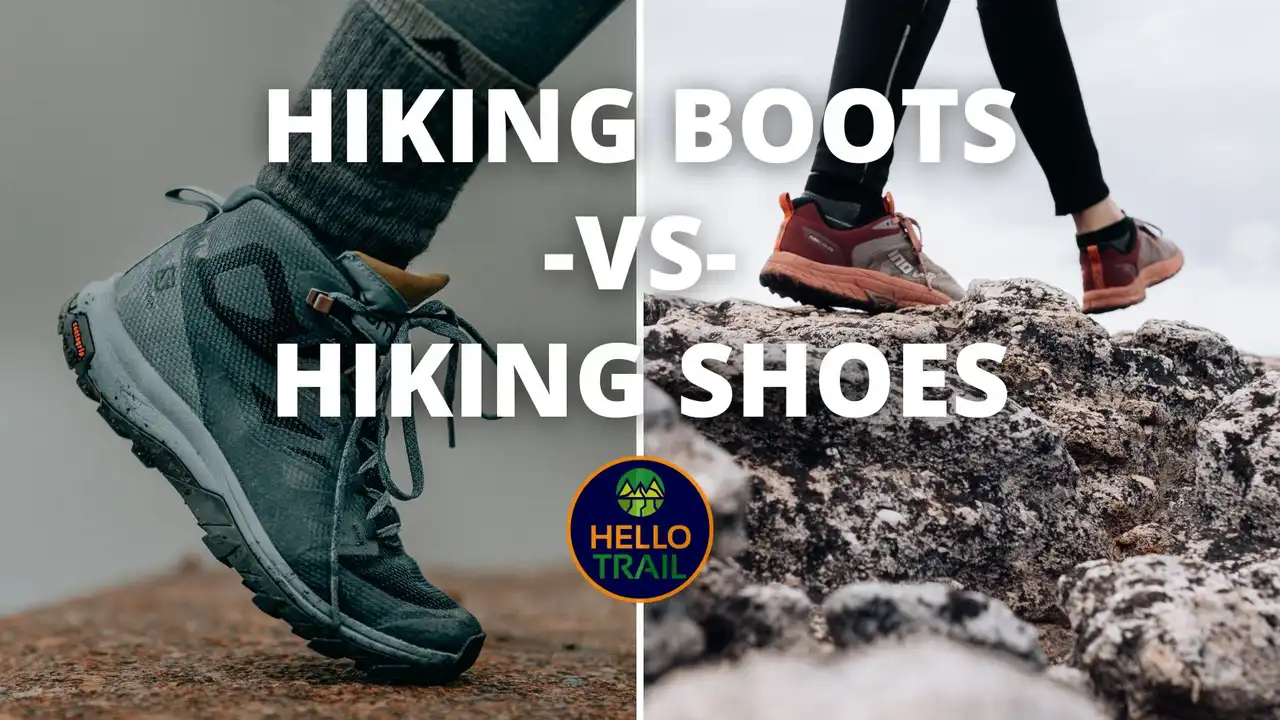
Choosing the right footwear is paramount for any outdoor enthusiast. Whether you're embarking on a multi-day backpacking trip through rugged mountains or enjoying a quick, energetic trail run on well-maintained paths, your feet are your foundation. The debate between hiking boots and trail running shoes is a long-standing one, with passionate advocates on both sides. This comprehensive guide will delve deep into the characteristics, advantages, disadvantages, and ideal use cases for each type of footwear, helping you make an informed decision for your next adventure. We'll also recommend specific models, discuss their features, and provide pricing insights to assist your purchase.
Hiking Boots vs Trail Running Shoes The Ultimate Footwear Showdown
Understanding Hiking Boots Key Features and Benefits
Hiking boots are the traditional choice for serious trekkers and backpackers, designed to offer maximum support, protection, and durability. They are built to withstand harsh conditions and carry heavy loads over challenging terrain. Let's break down their core attributes:
Anatomy of a Hiking Boot Support and Stability
The most defining characteristic of hiking boots is their robust construction. They typically feature a high-cut ankle collar, providing excellent ankle support and stability, crucial when traversing uneven ground, carrying a heavy pack, or preventing twists and sprains. The midsoles are generally stiffer and thicker, often incorporating shanks (plates of rigid material) to prevent stone bruising and offer torsional rigidity. This stiffness translates to less foot fatigue over long distances and better protection against sharp objects.
Durability and Protection for Rugged Trails
Hiking boots are built to last. Their uppers are often made from durable materials like full-grain leather, nubuck leather, or heavy-duty synthetic fabrics, sometimes combined with waterproof and breathable membranes like Gore-Tex. This construction provides superior protection against abrasions, sharp rocks, and environmental elements like water and mud. A reinforced toe cap and heel counter further shield your feet from impacts.
Traction and Grip for Diverse Terrains
The outsoles of hiking boots are engineered for aggressive traction. They feature deep, multi-directional lugs made from sticky rubber compounds, designed to grip effectively on loose dirt, mud, rocks, and even snow. The lug patterns are often self-cleaning, preventing mud buildup that can compromise grip.
Waterproofing and Weather Resistance in Hiking Footwear
Many hiking boots come equipped with waterproof membranes, making them ideal for wet conditions, stream crossings, and snowy trails. While this adds weight and can sometimes reduce breathability, the ability to keep your feet dry in adverse weather is a significant advantage for multi-day trips.
When to Choose Hiking Boots Ideal Scenarios
- Multi-day Backpacking Trips: When carrying heavy loads (25+ lbs) over long distances, the support and stability of boots are invaluable.
- Rugged and Technical Terrain: Steep ascents/descents, rocky trails, scree fields, and off-trail exploration demand the protection and stiffness of boots.
- Cold or Wet Weather: Waterproof boots keep your feet dry and warm in rain, snow, or muddy conditions.
- Ankle Support Needs: If you have a history of ankle injuries or prefer maximum ankle stability.
Recommended Hiking Boot Models Features and Pricing
Salomon Quest 4D 3 GTX Premium Hiking Boots
The Salomon Quest 4D 3 GTX is a perennial favorite for its blend of stability, comfort, and relatively light weight for a full-fledged hiking boot. It features a Gore-Tex membrane for waterproofing, a Contagrip TD outsole for excellent traction, and Salomon's 4D Advanced Chassis for enhanced stability and foot control. The upper combines nubuck leather and textile for durability and breathability. It's a fantastic all-rounder for backpacking and challenging day hikes.
- Key Features: Gore-Tex waterproofing, Contagrip TD outsole, 4D Advanced Chassis, nubuck leather/textile upper, protective toe cap.
- Ideal Use: Multi-day backpacking, challenging day hikes, varied terrain, wet conditions.
- Price Range: $200 - $250 USD.
Merrell Moab 3 Mid Waterproof Durable Hiking Boots
The Merrell Moab series is renowned for its out-of-the-box comfort and affordability, making it a popular choice for beginners and experienced hikers alike. The Moab 3 Mid Waterproof offers reliable waterproofing with a Merrell Select DRY membrane, a Vibram TC5+ outsole for good grip, and a supportive mid-cut design. It's a great option for day hikes and lighter backpacking trips on moderate terrain.
- Key Features: Merrell Select DRY waterproofing, Vibram TC5+ outsole, suede leather and mesh upper, air cushion in the heel for shock absorption.
- Ideal Use: Day hikes, light backpacking, moderate trails, wet conditions.
- Price Range: $130 - $160 USD.
La Sportiva Trango Tech GTX Technical Mountaineering Boots
For more technical mountaineering and alpine climbing, the La Sportiva Trango Tech GTX offers a lighter, more agile alternative to traditional heavy mountaineering boots. It's designed for fast-and-light ascents, providing excellent ankle support, a sticky Vibram outsole with a climbing zone, and a Gore-Tex Performance Comfort lining for waterproofing. It's a specialized boot for serious mountain endeavors.
- Key Features: Gore-Tex Performance Comfort, Vibram Cube outsole, 3D Flex System ankle hinge, synthetic upper, compatible with semi-automatic crampons.
- Ideal Use: Technical mountaineering, alpine climbing, glacier travel, challenging multi-day treks.
- Price Range: $300 - $350 USD.
Exploring Trail Running Shoes Agility and Speed on Trails
Trail running shoes, as their name suggests, are primarily designed for running on trails, but their lightweight nature, flexibility, and excellent grip have made them increasingly popular among hikers, especially those who prefer a faster pace or lighter loads. They bridge the gap between road running shoes and hiking boots.
Lightweight and Flexible Design for Trail Running
The most striking difference is their weight. Trail running shoes are significantly lighter than hiking boots, which reduces energy expenditure over long distances. They are also much more flexible, allowing for a more natural foot movement and better ground feel. This agility is crucial for navigating technical trails quickly and efficiently.
Breathability and Quick Drying for Active Pursuits
Most trail running shoes prioritize breathability, often featuring mesh uppers to allow for maximum airflow. This helps keep your feet cool and reduces the risk of blisters. While some models offer waterproof versions (often with Gore-Tex), many are designed to drain and dry quickly if they get wet, which can be preferable in hot, humid conditions or when frequent stream crossings are expected.
Cushioning and Responsiveness for High Impact Activities
Trail running shoes incorporate advanced cushioning technologies, similar to road running shoes, to absorb impact and provide a responsive ride. This cushioning is vital for protecting your joints during high-impact activities like running or fast hiking, especially on hard-packed trails.
Traction for Varied Trail Surfaces Trail Running Grip
While different from hiking boots, trail running shoes also feature aggressive outsoles with multi-directional lugs. The lug patterns are often designed for a balance of grip on loose terrain and responsiveness on harder surfaces. The rubber compounds are typically sticky to provide excellent traction on wet rocks and roots.
When to Choose Trail Running Shoes Optimal Scenarios
- Fast Hiking and Trail Running: When speed and agility are priorities, and you're covering ground quickly.
- Day Hikes with Light Packs: For shorter hikes on moderate to well-maintained trails where heavy support isn't critical.
- Warm and Dry Conditions: Their breathability is a huge advantage in hot weather.
- Minimalist Approach: If you prefer a lighter feel and more ground feedback.
- Thru-Hiking: Many thru-hikers on long-distance trails (like the Appalachian Trail or Pacific Crest Trail) opt for trail runners due to their weight savings and comfort.
Recommended Trail Running Shoe Models Features and Pricing
Hoka Speedgoat 5 Max Cushion Trail Running Shoes
The Hoka Speedgoat 5 is a favorite among long-distance trail runners and hikers who prioritize maximum cushioning and comfort. It features a massive stack height of responsive foam, providing exceptional shock absorption, and a Vibram Megagrip outsole with aggressive lugs for superb traction on varied terrain. Despite its cushioning, it offers surprising stability.
- Key Features: Max cushioning, Vibram Megagrip outsole, breathable mesh upper, late-stage Meta-Rocker for smooth transitions.
- Ideal Use: Long-distance trail running, fast hiking, ultra-light backpacking, rocky and technical trails where cushioning is key.
- Price Range: $150 - $170 USD.
Salomon Speedcross 6 Aggressive Grip Trail Shoes
The Salomon Speedcross 6 is an iconic trail running shoe known for its aggressive grip, especially in soft, muddy conditions. Its deep, widely spaced lugs bite into loose terrain, providing unparalleled traction. While not as cushioned as some other models, it offers a secure, precise fit and good ground feel, making it ideal for technical trails and races.
- Key Features: Contagrip Mud outsole with deep lugs, SensiFit construction for a secure fit, Quicklace system, energy-absorbing midsole.
- Ideal Use: Technical trail running, muddy conditions, obstacle course racing, fast hiking on challenging terrain.
- Price Range: $130 - $150 USD.
Altra Lone Peak 7 Zero Drop Trail Running Shoes
The Altra Lone Peak 7 is a popular choice for hikers and trail runners who prefer a zero-drop platform (where the heel and forefoot are at the same height) and a FootShape toe box, which allows toes to splay naturally. This promotes a more natural foot strike and can reduce foot fatigue. It features a MaxTrac outsole for good grip and moderate cushioning, making it versatile for various trail conditions.
- Key Features: Zero Drop platform, FootShape toe box, MaxTrac outsole, balanced cushioning, quick-drying mesh upper.
- Ideal Use: Long-distance hiking, thru-hiking, trail running, those seeking a natural foot feel and wide toe box.
- Price Range: $140 - $160 USD.
Direct Comparison Hiking Boots vs Trail Running Shoes
Let's put them head-to-head across key performance metrics:
Weight and Agility Footwear Performance Comparison
- Hiking Boots: Heavier, less agile. Can feel cumbersome, especially on long days.
- Trail Running Shoes: Significantly lighter, highly agile. Allows for faster movement and better ground feel.
Support and Stability Ankle Protection in Footwear
- Hiking Boots: Superior ankle support and torsional rigidity, crucial for heavy loads and technical terrain.
- Trail Running Shoes: Minimal ankle support. Relies on foot strength and proprioception.
Protection and Durability Trail Footwear Resilience
- Hiking Boots: Excellent protection against rocks, roots, and impacts. Highly durable uppers.
- Trail Running Shoes: Good protection for their weight, but generally less robust than boots. Uppers can be more susceptible to abrasion.
Traction and Grip Outsole Performance on Trails
- Hiking Boots: Aggressive, deep lugs for maximum grip on loose, muddy, and rocky terrain.
- Trail Running Shoes: Aggressive lugs, often designed for a balance of grip and responsiveness on varied surfaces.
Comfort and Cushioning Footwear Comfort Levels
- Hiking Boots: Can require a break-in period. Stiffer midsoles offer less immediate cushioning but reduce fatigue over long hauls with heavy packs.
- Trail Running Shoes: Comfortable out of the box. Excellent cushioning for high-impact activities.
Waterproofing and Breathability Weather Resistance Footwear
- Hiking Boots: Often waterproof, keeping feet dry in wet conditions. Can be less breathable.
- Trail Running Shoes: Many are highly breathable and quick-drying. Waterproof versions are available but can reduce breathability.
Making Your Choice Factors to Consider for Outdoor Footwear
The best choice isn't universal; it depends entirely on your specific needs and preferences. Ask yourself these questions:
Terrain Type and Trail Conditions Footwear Selection Guide
- Rugged, Rocky, Off-Trail: Hiking boots offer superior protection and stability.
- Well-Maintained, Moderate Trails: Trail running shoes are often sufficient and more comfortable.
- Muddy, Wet Conditions: Waterproof boots are ideal, or quick-drying trail runners if you prefer lighter footwear and don't mind wet feet temporarily.
Load Weight and Pack Size Footwear for Backpacking
- Heavy Backpack (25+ lbs): Hiking boots provide the necessary support to prevent strain and injury.
- Day Pack or Light Backpack (under 25 lbs): Trail running shoes can handle lighter loads comfortably.
Trip Duration and Distance Footwear for Long Hikes
- Multi-day Trips, Long Distances: Boots offer sustained support and protection.
- Day Hikes, Shorter Distances: Trail runners excel in comfort and agility.
Personal Preference and Foot Health Footwear Comfort
- Ankle Stability Concerns: Opt for boots.
- Preference for Ground Feel and Agility: Trail runners are your go-to.
- Foot Shape and Arch Support: Try on both types and see what feels best. Don't compromise on comfort.
Weather Conditions and Climate Footwear for All Seasons
- Cold, Wet, Snowy: Insulated, waterproof hiking boots are essential.
- Hot, Dry: Breathable trail running shoes will keep your feet cooler.
Hybrid Options and Crossover Footwear
The lines between hiking boots and trail running shoes are blurring, with many manufacturers offering hybrid options. These often feature the lightweight and flexible characteristics of a trail runner but with enhanced ankle support or more durable uppers, sometimes referred to as 'mid-cut hiking shoes' or 'fastpacking boots'. These can be a great compromise for those who want a bit more support than a trail runner but don't need the full bulk of a traditional hiking boot.
Examples of Hybrid Footwear Lightweight Hiking Shoes
Salomon X Ultra 4 Mid GTX Versatile Hiking Shoes
The Salomon X Ultra 4 Mid GTX is a prime example of a successful hybrid. It offers the agility of a trail running shoe with the added ankle support and protection of a mid-cut design. Featuring a Gore-Tex membrane, Contagrip MA outsole, and Advanced Chassis, it's a versatile option for day hikes, fastpacking, and lighter backpacking trips on varied terrain.
- Key Features: Gore-Tex waterproofing, Contagrip MA outsole, Advanced Chassis, SensiFit, protective toe cap.
- Ideal Use: Day hikes, fastpacking, light backpacking, varied terrain, wet conditions.
- Price Range: $160 - $180 USD.
Footwear Care and Maintenance Extending Shoe Life
Regardless of your choice, proper care will significantly extend the life of your footwear:
- Clean Regularly: Remove dirt and mud after each outing.
- Dry Properly: Air dry naturally, away from direct heat. Remove insoles.
- Waterproof Treatment: Reapply DWR (Durable Water Repellent) treatment to waterproof footwear as needed.
- Store Correctly: Keep in a cool, dry place, away from direct sunlight.
Final Thoughts on Outdoor Footwear Selection
Ultimately, the best way to decide between hiking boots and trail running shoes is to try them on. Visit a specialized outdoor gear store, explain your typical activities, and walk around in different models. Pay attention to how they feel, the support they offer, and their weight. Don't be swayed solely by trends; choose what feels right for your feet and your adventures. Happy trails!
:max_bytes(150000):strip_icc()/277019-baked-pork-chops-with-cream-of-mushroom-soup-DDMFS-beauty-4x3-BG-7505-5762b731cf30447d9cbbbbbf387beafa.jpg)