USA Visa Requirements for International Travelers
Understand the visa requirements for international visitors traveling to the USA. Essential information for your entry.
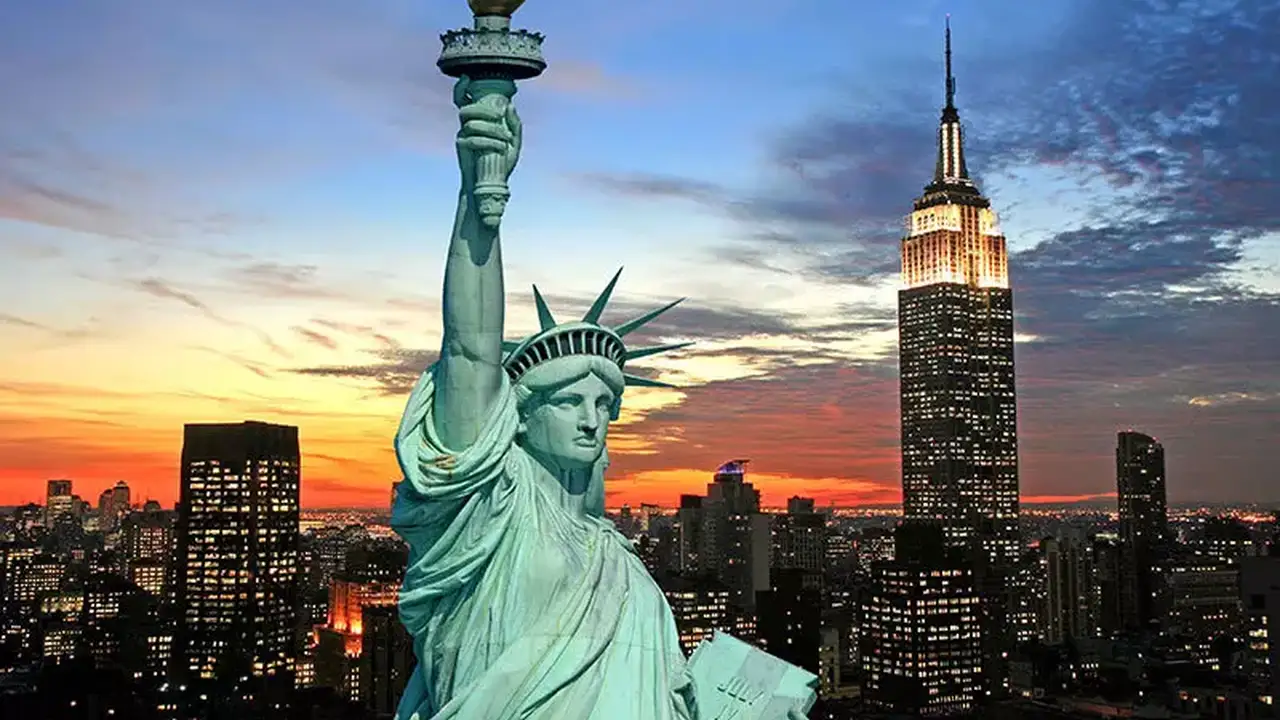
Understand the visa requirements for international visitors traveling to the USA. Essential information for your entry.
USA Visa Requirements for International Travelers
Hey there, future USA explorer! Planning a trip to the United States is super exciting, but before you start dreaming about Hollywood, national parks, or bustling cityscapes, there's one crucial step you absolutely can't skip: understanding the visa requirements. It can feel a bit overwhelming with all the different categories and rules, but don't sweat it! This guide is here to break down everything you need to know about getting your visa for the USA, making the process as smooth as possible. We'll cover the main types of visas, who needs what, and even some common pitfalls to avoid. Let's get you ready for your American adventure!
Who Needs a Visa to Enter the USA Understanding Visa Exemptions and the Visa Waiver Program
First things first, do you even need a visa? Not everyone does! The U.S. has something called the Visa Waiver Program (VWP), which allows citizens of certain countries to travel to the U.S. for tourism or business for stays of 90 days or less without obtaining a visa. This is a huge convenience for many travelers. However, even if you're from a VWP country, you'll still need to apply for authorization through the Electronic System for Travel Authorization (ESTA).
Countries Participating in the Visa Waiver Program
As of my last update, there are 40 countries participating in the VWP. These include most Western European nations, Australia, New Zealand, Japan, South Korea, Singapore, and many others. It's always a good idea to check the official U.S. Department of State website for the most current list, as it can change. If your country is on this list, you're likely eligible for ESTA, which is a much simpler and quicker process than a full visa application.
What is ESTA and How to Apply
ESTA is an automated system that determines the eligibility of visitors to travel to the U.S. under the VWP. It's an online application, and you should apply at least 72 hours before your travel, though it's often recommended to do it as soon as you start planning your trip. The application asks for basic biographical information, passport details, and some security questions. Once approved, your ESTA is generally valid for two years or until your passport expires, whichever comes first, and allows for multiple entries into the U.S. within that period. The fee for an ESTA application is currently $21. Be very careful to use the official ESTA website (esta.cbp.dhs.gov) to avoid scam sites that charge exorbitant fees.
When ESTA Might Not Be Enough
Even if you're from a VWP country, there are situations where you might still need a traditional visa. For example, if you plan to stay longer than 90 days, if your purpose of travel is not tourism or business (e.g., studying, working, or performing), or if you have certain criminal convictions or have traveled to specific countries (like Iran, Iraq, Sudan, Syria, Libya, Somalia, or Yemen) since March 2011, you'll likely need to apply for a visa. Always be honest and thorough in your ESTA application; misrepresenting information can lead to serious issues.
Common Nonimmigrant Visa Categories for Tourists and Business Travelers
If you're not eligible for the VWP, or if your travel purpose requires it, you'll need to apply for a nonimmigrant visa. The most common types for short-term visitors are the B-1 (Business) and B-2 (Tourism) visas, often issued together as a B1/B2 visa.
B-1 Business Visa Understanding Permitted Activities
A B-1 visa is for travelers coming to the U.S. for business-related activities. This doesn't mean you can work in the U.S. It's for things like attending business meetings, conferences, negotiating contracts, consulting with business associates, or participating in short-term training. You can't receive a salary from a U.S. source while on a B-1 visa, except for reimbursement of expenses or an honorarium for academic activities. The typical duration of stay granted by a B-1 visa is usually up to six months, though it can be extended in some cases.
B-2 Tourist Visa Exploring Leisure and Medical Travel
The B-2 visa is for tourism, vacation, visiting friends or relatives, medical treatment, or participation in social events or amateur competitions. This is the visa most people think of when they say 'tourist visa.' Like the B-1, the typical maximum stay is six months, but the exact duration is determined by the Customs and Border Protection (CBP) officer at your port of entry. You cannot study for credit, work, or engage in paid performances on a B-2 visa.
Applying for a B1/B2 Visa Step by Step Guide
The application process for a B1/B2 visa involves several steps:
- Complete the DS-160 Form: This is the online Nonimmigrant Visa Application form. It's quite detailed and asks for personal information, travel history, and your purpose of travel. Be sure to fill it out accurately and completely.
- Pay the Visa Application Fee: The fee for most nonimmigrant visas, including B1/B2, is currently $185. This fee is non-refundable, even if your visa is denied.
- Schedule an Interview: You'll need to schedule an interview at a U.S. Embassy or Consulate in your home country. Wait times can vary significantly, so check the embassy's website for current availability.
- Gather Required Documents: This is crucial! You'll need your passport (valid for at least six months beyond your intended period of stay), the DS-160 confirmation page, your interview appointment confirmation, a recent passport-style photo, and supporting documents.
- Attend the Interview: This is where a Consular Officer will ask you questions about your travel plans, ties to your home country, and financial situation to determine your eligibility.
Essential Documents for Your USA Visa Application
Having the right documents can make or break your visa application. Here's a breakdown of what you'll generally need, plus some tips on what else to bring to your interview.
Mandatory Documents for All Applicants
- Valid Passport: Your passport must be valid for at least six months beyond your intended period of stay in the U.S.
- DS-160 Confirmation Page: The printed confirmation page of your submitted online visa application.
- Appointment Confirmation Page: Proof of your scheduled interview.
- One (1) 2x2 inch Photo: A recent color photograph meeting specific U.S. visa photo requirements (no glasses, neutral expression, white background).
- Visa Application Fee Payment Receipt: Proof that you've paid the non-refundable visa application fee.
Supporting Documents Demonstrating Ties to Home Country
The Consular Officer needs to be convinced that you intend to return to your home country after your visit. This is often referred to as demonstrating 'ties to your home country.' The more evidence you can provide, the better. These might include:
- Proof of Employment: A letter from your employer stating your position, salary, and approved leave.
- Financial Documents: Bank statements, property deeds, or other evidence of significant assets in your home country.
- Family Ties: Marriage certificate, birth certificates of dependents, or letters from family members.
- Travel Itinerary: A detailed plan of your trip, including flight reservations (though it's often advised not to purchase non-refundable tickets until your visa is approved) and hotel bookings.
- Previous Travel History: Old passports with previous visas and entry stamps to other countries can show you're a legitimate traveler.
- Purpose of Travel Documentation: For business, letters of invitation from U.S. companies; for medical, letters from U.S. doctors/hospitals.
Other Nonimmigrant Visas for Specific Travel Purposes
While B1/B2 visas cover most short-term visits, there are many other nonimmigrant visa categories for specific purposes. Knowing which one applies to you is key.
F-1 Student Visa Pursuing Education in the USA
If you plan to study at an accredited U.S. academic institution, you'll need an F-1 student visa. This requires acceptance into a Student and Exchange Visitor Program (SEVP) approved school, and you'll receive a Form I-20 from your institution. The F-1 visa allows you to study full-time and, in some cases, work on campus or participate in Optional Practical Training (OPT) after graduation.
J-1 Exchange Visitor Visa Cultural and Educational Exchange Programs
The J-1 visa is for participants in exchange visitor programs, including students, scholars, interns, trainees, teachers, and au pairs. These programs are designed to promote cultural exchange. You'll need a Form DS-2019 from your sponsoring organization. Many J-1 visas have a 'two-year home-country physical presence requirement,' meaning you must return to your home country for two years after your program before being eligible for certain other U.S. visas or green cards.
H-1B Specialty Occupation Visa Working in the USA
For those seeking to work in a specialty occupation in the U.S., the H-1B visa is the most common. This requires a U.S. employer to sponsor you and file a petition on your behalf. It's a highly competitive visa with an annual cap, and typically requires a bachelor's degree or its equivalent in a specialized field. This is a much more complex process than a tourist visa.
Other Visa Types Brief Overview
There's a whole alphabet soup of other nonimmigrant visas, each for a specific purpose:
- E-1/E-2 Treaty Trader/Investor Visas: For citizens of countries with which the U.S. maintains treaties of commerce and navigation, who wish to engage in substantial trade or invest a significant amount of capital in the U.S.
- L-1 Intracompany Transferee Visa: For employees of international companies who are being transferred to a parent, branch, affiliate, or subsidiary in the U.S.
- O-1 Extraordinary Ability Visa: For individuals with extraordinary ability in the sciences, arts, education, business, or athletics.
- P-1 Athlete/Entertainer Visa: For internationally recognized athletes or entertainment groups.
- R-1 Religious Worker Visa: For individuals coming to the U.S. temporarily to work in a religious vocation or occupation.
Navigating the Visa Interview Process Tips for Success
The visa interview can be the most nerve-wracking part of the process, but being prepared can significantly boost your confidence and chances of success.
What to Expect During Your Interview
The interview is usually brief, often lasting only a few minutes. The Consular Officer's main goal is to determine if you meet the legal requirements for the visa you're applying for and to ensure you don't intend to overstay or violate the terms of your visa. They will ask questions about your purpose of travel, your ties to your home country, your financial situation, and your travel history.
Common Interview Questions and How to Answer Them
Be ready for questions like:
- 'Why do you want to visit the U.S.?'
- 'What is your itinerary?'
- 'Who are you traveling with?'
- 'Who is paying for your trip?'
- 'What do you do for a living?'
- 'Do you have family in the U.S.?'
- 'When do you plan to return to your home country?'
Answer truthfully, concisely, and confidently. Don't volunteer extra information unless asked. The officer is looking for consistency and honesty.
Tips for a Successful Visa Interview
- Be Punctual: Arrive on time for your appointment.
- Dress Appropriately: Business casual is usually a good choice.
- Be Prepared: Have all your documents organized and easily accessible.
- Be Honest: Never lie or misrepresent information.
- Be Confident: Speak clearly and maintain eye contact.
- Focus on Ties to Home: Emphasize your strong reasons for returning to your home country.
- Understand Your Visa Type: Be clear about why you need this specific visa.
Common Reasons for Visa Denial and How to Avoid Them
Visa denials happen, and it's important to understand why so you can minimize your risk. The most common reason for denial for B1/B2 visas is Section 214(b) of the Immigration and Nationality Act, which states that every alien is presumed to be an immigrant until they prove otherwise. Essentially, you must convince the Consular Officer that you are a legitimate temporary visitor.
Insufficient Ties to Home Country
This is the biggest hurdle for many applicants. If the Consular Officer isn't convinced you have strong enough reasons to return to your home country (job, family, property, financial assets), they may deny your visa. Make sure your supporting documents clearly demonstrate these ties.
Misrepresentation or Fraud
Providing false information or documents, or attempting to deceive the Consular Officer, will almost certainly lead to a denial and could result in a permanent bar from entering the U.S.
Previous Visa Violations
If you've previously overstayed a visa, worked illegally in the U.S., or violated any immigration laws, your current application will likely be denied.
Criminal Record or Security Concerns
Certain criminal convictions or security concerns can make you ineligible for a U.S. visa. It's important to disclose any relevant history truthfully.
Lack of Funds
You need to demonstrate that you have sufficient funds to cover your expenses during your stay in the U.S. without resorting to unauthorized employment. Bank statements and letters from sponsors (if applicable) are important here.
After Your Visa is Approved What to Expect at the Port of Entry
Getting your visa is a huge step, but it's not the final one. A visa only allows you to travel to a U.S. port of entry and request permission to enter. The final decision rests with the Customs and Border Protection (CBP) officer.
CBP Interview and Secondary Inspection
At the airport or border crossing, a CBP officer will interview you. They'll ask similar questions to the Consular Officer about your purpose of visit, duration of stay, and where you'll be staying. Be polite, honest, and have your documents (passport, visa, return ticket, hotel bookings) ready. Most travelers pass through quickly, but some may be directed to 'secondary inspection' for further questioning if the officer needs more information or clarification. This isn't necessarily a bad thing, just be patient and cooperative.
Understanding Your I-94 Record
When you enter the U.S., the CBP officer will determine your 'admitted until' date, which is the date by which you must leave the country. This information is recorded electronically as your I-94 Arrival/Departure Record. It's crucial to check your I-94 online (i94.cbp.dhs.gov) after entry to confirm your authorized period of stay. This date can be different from the validity period of your visa, and it's the I-94 date that dictates how long you can legally remain in the U.S. Overstaying your I-94 date can lead to serious immigration consequences, including future visa denials and bars from re-entry.
Recommended Travel Insurance for USA Visitors Protecting Your Trip
While not a visa requirement, having comprehensive travel insurance is highly recommended for any international trip, especially to the U.S. Healthcare costs in the U.S. are notoriously high, and a simple accident or illness can lead to massive bills. Travel insurance can cover medical emergencies, trip cancellations, lost luggage, and more.
Comparing Top Travel Insurance Providers for USA Travel
When choosing travel insurance for your U.S. trip, look for policies that offer robust medical coverage, including emergency medical evacuation. Here are a few popular providers and what they generally offer:
1. Allianz Travel Insurance
Overview: Allianz is a well-known global insurer offering various plans, from basic to comprehensive. They have specific plans tailored for international visitors to the U.S.
Key Features:
- Medical Coverage: Often includes high limits for emergency medical and dental treatment (e.g., $50,000 to $250,000+).
- Emergency Medical Transportation: Covers costs for medical evacuation.
- Trip Cancellation/Interruption: Reimburses non-refundable trip costs if you have to cancel or cut short your trip for covered reasons.
- Baggage Loss/Delay: Compensation for lost, stolen, or delayed luggage.
- 24/7 Assistance: Access to a helpline for emergencies.
Use Case: Great for travelers who want a reliable, comprehensive plan with good customer service. They offer options for single trips or annual plans if you travel frequently.
Price Range: Varies widely based on age, trip duration, coverage limits, and plan type. A basic plan for a two-week trip for a younger traveler might start from $50-$100, while a more comprehensive plan for an older traveler could be several hundred dollars.
2. World Nomads Travel Insurance
Overview: World Nomads is popular among adventurous and independent travelers. They are known for covering a wide range of adventure activities that many other insurers exclude.
Key Features:
- Adventure Sports Coverage: Covers activities like hiking, diving, skiing, and more (check specific activities covered per plan).
- Emergency Medical: Strong medical coverage, often with high limits.
- Trip Protection: Includes trip cancellation, interruption, and delay.
- Gear Protection: Good coverage for electronics and other valuable gear, which is a plus for photographers or tech-savvy travelers.
- Flexibility: You can buy or extend policies even after you've started your trip.
Use Case: Ideal for travelers planning to engage in outdoor activities or adventure sports in the U.S. (e.g., hiking in national parks, skiing in Colorado). Also good for those who might need to extend their trip unexpectedly.
Price Range: Generally competitive, but can be slightly higher than basic plans due to the adventure coverage. A two-week plan might range from $70-$150+ depending on age and activities.
3. IMG Global Medical Insurance
Overview: IMG (International Medical Group) specializes in international health insurance and travel medical insurance. They offer plans specifically designed for non-U.S. citizens traveling to the U.S.
Key Features:
- High Medical Limits: Often provides very high medical maximums (e.g., $100,000 to $8,000,000), which is crucial given U.S. healthcare costs.
- Acute Onset of Pre-existing Conditions: Some plans offer limited coverage for acute onset of pre-existing conditions, which is rare and valuable.
- Emergency Evacuation/Repatriation: Comprehensive coverage for these critical services.
- Choice of Deductibles: Allows you to choose a deductible that fits your budget.
Use Case: Best for travelers whose primary concern is robust medical coverage while in the U.S., especially older travelers or those with potential pre-existing conditions (always read the fine print on pre-existing conditions). Also suitable for longer stays where health risks might be higher.
Price Range: Can be more expensive due to the extensive medical coverage. A two-week plan could start from $80-$200+, significantly increasing with age and higher coverage limits.
4. Generali Global Assistance
Overview: Generali offers a range of travel insurance plans, including options for international visitors. They are known for their reliable customer service and comprehensive coverage.
Key Features:
- Medical and Dental: Good coverage for emergency medical and dental expenses.
- Trip Cancellation/Interruption: Strong coverage for unforeseen events affecting your trip.
- Travel Delay: Compensation for delays due to covered reasons.
- Baggage Protection: Covers lost, stolen, or damaged luggage.
- Concierge Services: Some plans include additional perks like concierge assistance.
Use Case: A solid all-around choice for general leisure travelers who want good coverage for both medical emergencies and trip disruptions. Good for families and individuals alike.
Price Range: Similar to Allianz, with basic plans starting around $50-$100 for a short trip and more comprehensive options going higher.
Key Considerations When Choosing Travel Insurance
- Medical Maximum: Given U.S. healthcare costs, aim for at least $100,000 in emergency medical coverage, preferably more.
- Deductible: This is the amount you pay out-of-pocket before your insurance kicks in. A higher deductible means lower premiums.
- Pre-existing Conditions: If you have any, carefully check the policy's wording on 'acute onset of pre-existing conditions.' Many policies exclude them entirely or have very strict limitations.
- Emergency Evacuation: Ensure this is included and has a high limit.
- Trip Cancellation/Interruption: If you've paid a lot upfront for flights and accommodation, this coverage is vital.
- Adventure Activities: If you plan on skiing, diving, or other adventurous pursuits, confirm these are covered.
- Customer Service: Look for providers with 24/7 emergency assistance.
Always get multiple quotes and read the policy document (the 'fine print') carefully before purchasing to ensure it meets your specific needs. Don't just compare prices; compare what's actually covered!
Final Thoughts on Your USA Visa Journey
Phew! That was a lot of information, right? But understanding these details is your first step towards a hassle-free trip to the United States. Whether you're applying for an ESTA or a full visa, the key takeaways are preparation, honesty, and attention to detail. Start early, gather all your documents, and be clear about your intentions. And seriously, don't skimp on travel insurance – it's a small investment that can save you from huge financial headaches. With all this knowledge in your back pocket, you're well on your way to experiencing all the incredible things the USA has to offer. Happy travels!
:max_bytes(150000):strip_icc()/277019-baked-pork-chops-with-cream-of-mushroom-soup-DDMFS-beauty-4x3-BG-7505-5762b731cf30447d9cbbbbbf387beafa.jpg)