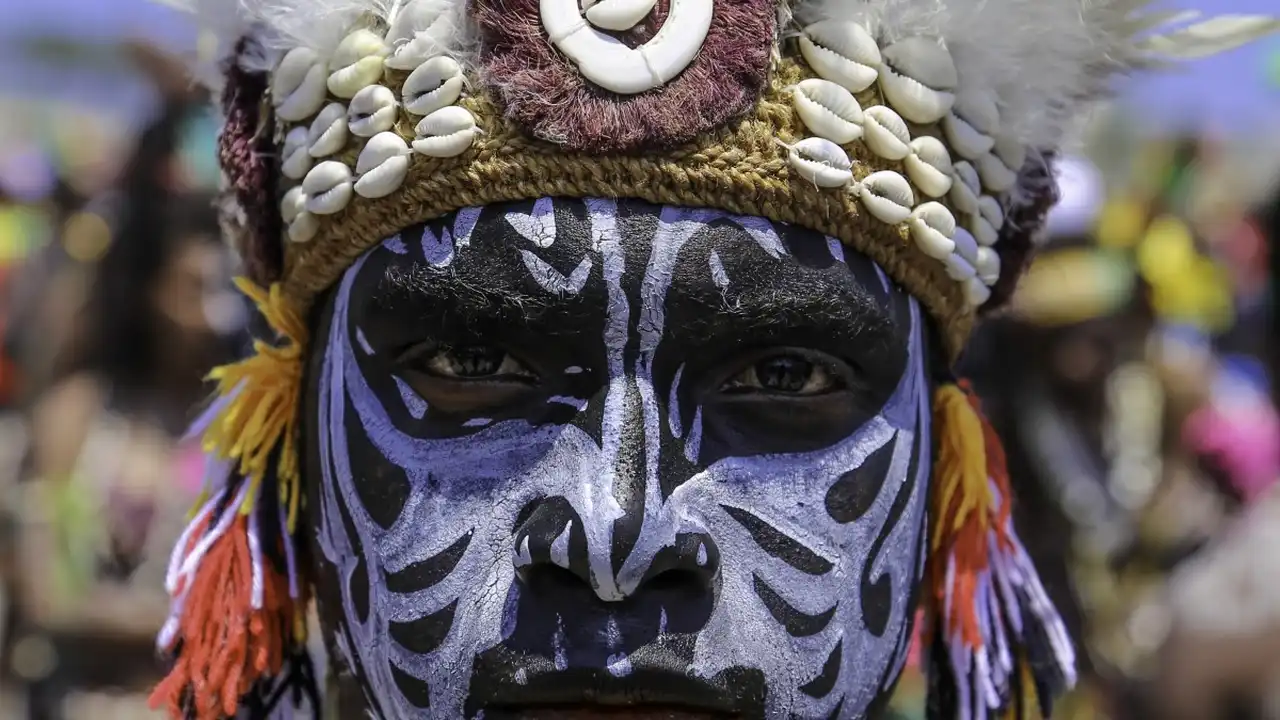
Travel Photography Tips for Beginners
Capture stunning travel photos with these essential tips for beginner photographers. Document your adventures beautifully.
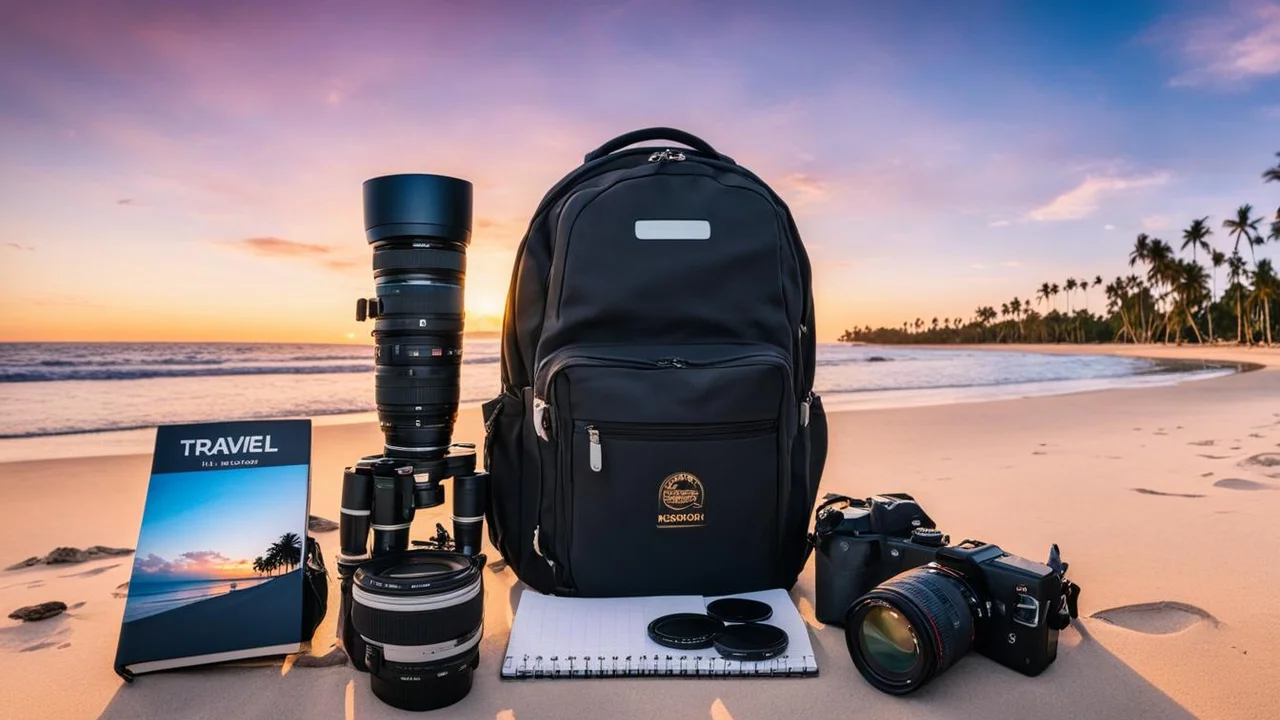
Capture stunning travel photos with these essential tips for beginner photographers. Document your adventures beautifully.
Travel Photography Tips for Beginners Elevate Your Vacation Snaps
Hey there, aspiring travel photographer! Ever come back from an amazing trip, look at your photos, and think, “Hmm, they don’t quite capture what I saw or felt”? You’re not alone. Turning those incredible travel moments into stunning visual memories is totally achievable, even if you’re just starting out. This guide is packed with practical, easy-to-understand tips to help you level up your travel photography game. We’re talking about everything from understanding your gear to composing breathtaking shots, and even a few product recommendations to get you started. Let’s dive in!
Understanding Your Camera Gear Essential Photography Equipment for Travelers
First things first, let’s talk about what you’re shooting with. You don’t need the fanciest, most expensive camera to take great travel photos. Seriously. The best camera is the one you have with you. Whether it’s your smartphone, a compact point-and-shoot, or a mirrorless camera, understanding its capabilities is key.
Smartphones The Ultimate Everyday Travel Camera
Most modern smartphones have incredible cameras. They’re convenient, always with you, and surprisingly powerful. Don’t underestimate them! Learn to use your phone’s portrait mode, wide-angle lens (if it has one), and manual controls (many apps offer this). Experiment with HDR settings for better dynamic range in tricky lighting. The biggest advantage? They’re discreet, making candid shots easier.
Compact Cameras Point and Shoot for Quality and Portability
If you want a step up from your phone without the bulk of a DSLR, a high-end compact camera is a fantastic choice. They offer better image quality, optical zoom, and more manual control than most phones. Think about models like the Sony RX100 series or Canon PowerShot G7 X Mark III. These are perfect for slipping into a pocket or small bag.
Mirrorless Cameras The Best of Both Worlds for Serious Travel Photographers
Mirrorless cameras are a sweet spot for many travel photographers. They offer DSLR-level image quality and interchangeable lenses but in a smaller, lighter body. Brands like Fujifilm, Sony (Alpha series), and Canon (EOS R series) have excellent mirrorless options. If you’re serious about photography and want room to grow, this is probably your best bet. You can swap lenses to suit different situations – a wide-angle for landscapes, a prime lens for portraits, or a telephoto for wildlife.
DSLR Cameras Professional Grade Photography for Dedicated Enthusiasts
While a bit bulkier, DSLRs (like those from Nikon or Canon) still offer superb image quality, robust build, and a vast array of lenses. If you already own one and don’t mind the weight, they’re perfectly capable travel companions. Just be mindful of the extra gear you’ll be lugging around.
Mastering Composition Techniques for Visually Appealing Travel Photos
Once you know your gear, it’s time to think about how you frame your shots. Composition is what turns a snapshot into a photograph. It’s about arranging elements within your frame to create a visually pleasing and impactful image.
The Rule of Thirds Simple Yet Powerful Photo Composition
This is probably the most fundamental composition rule. Imagine your frame divided into nine equal sections by two horizontal and two vertical lines. Place your main subject or points of interest along these lines or at their intersections. This creates a more balanced and engaging image than simply centering everything. Most cameras and phones have a grid overlay feature – turn it on!
Leading Lines Guiding the Viewer’s Eye in Travel Photography
Look for natural or artificial lines in your scene – roads, rivers, fences, paths, even architectural elements. Use these lines to draw the viewer’s eye towards your main subject or deeper into the scene. This adds depth and a sense of direction to your photos.
Framing Using Natural Elements to Enhance Your Shots
Find natural frames within your environment. This could be an archway, a window, tree branches, or even people. Framing your subject adds context, depth, and can make your photo feel more intimate and artistic.
Symmetry and Patterns Creating Balance and Visual Interest
Symmetry is everywhere in travel – reflections in water, architectural designs, repeating elements. Capturing symmetry can create a very strong and pleasing image. Similarly, look for patterns, whether natural or man-made, and use them to add visual interest and rhythm to your photos.
Foreground Middleground Background Adding Depth to Your Travel Scenes
To make your photos feel more three-dimensional, try to include elements in the foreground, middle ground, and background. A flower in the foreground, a person in the middle, and mountains in the background, for example. This technique adds depth and tells a more complete story.
Leveraging Light and Time of Day for Stunning Travel Photography
Light is a photographer’s best friend. Understanding how to use it can dramatically change the mood and quality of your photos.
Golden Hour The Best Light for Outdoor Travel Photography
The hour after sunrise and the hour before sunset, often called the “golden hour,” provides soft, warm, and flattering light. Shadows are longer and softer, and colors are richer. This is prime time for landscapes, portraits, and cityscapes. Plan your shooting schedule around these times.
Blue Hour Capturing the Magic of Twilight Travel Scenes
Just before sunrise and just after sunset, you get the “blue hour.” The sky turns a deep, rich blue, and artificial lights start to glow. This is fantastic for cityscapes, architectural shots, and creating a moody atmosphere. It’s a short window, so be ready!
Midday Sun Challenges and Solutions for Bright Light Photography
The harsh midday sun can be tricky, creating strong shadows and blown-out highlights. If you have to shoot in bright sun, look for shade, use a diffuser or reflector (if you have one), or try to find subjects that benefit from strong contrast. Sometimes, black and white photography can work well in these conditions.
Overcast Days Soft and Even Light for Portraits and Details
Don’t dismiss overcast days! The clouds act like a giant softbox, providing soft, even light that’s perfect for portraits, close-ups, and detailed shots. Colors tend to be more saturated on cloudy days too.
Capturing People and Culture Ethical Travel Photography Practices
Travel is often about the people you meet and the cultures you experience. Photographing them respectfully is crucial.
Asking Permission Respectful Portrait Photography
Always, always ask for permission before taking someone’s photo, especially for close-up portraits. A simple gesture, a smile, or a few words in their language (even if broken) goes a long long way. If they say no, respect it. If they say yes, a genuine thank you is in order. Sometimes, offering to show them the photo or even sending it to them (if feasible) can be a nice gesture.
Candid Shots Capturing Authentic Moments
Candid shots can be incredibly powerful, capturing genuine emotions and interactions. Be discreet, use a longer lens if possible, and try to blend in. Be aware of your surroundings and avoid being intrusive. The goal is to document, not to disturb.
Focusing on Details Telling a Story Through Cultural Elements
Sometimes, the story of a culture isn’t just in the faces, but in the details – hands working, traditional clothing, market stalls, local crafts, religious symbols. These close-up shots can be incredibly evocative and tell a rich story without needing a direct portrait.
Essential Accessories for Beginner Travel Photographers Enhancing Your Kit
While your camera is the star, a few accessories can make a huge difference in your travel photography.
Tripods and Monopods Stability for Sharp Images and Low Light
A lightweight travel tripod or monopod is invaluable for sharp landscape shots, low-light photography (like blue hour cityscapes or starry nights), and long exposures (think silky waterfalls). Look for compact, sturdy options. For smartphones, a small Gorillapod can be surprisingly useful.
Product Recommendation 1 Joby GorillaPod 3K Kit
Description: This flexible mini-tripod is perfect for mirrorless cameras, compact DSLRs, and smartphones (with an adapter). Its bendable legs can grip onto almost any surface, making it incredibly versatile for uneven terrain or wrapping around poles. It’s lightweight and fits easily into a daypack. Use Case: Great for stable shots on uneven surfaces, vlogging, long exposures with lighter cameras, or even as a grip for handheld shooting. Price: Approximately $50-$70 USD.
Extra Batteries and Memory Cards Never Miss a Shot
There’s nothing worse than running out of battery or storage in the middle of an amazing moment. Always carry at least one spare battery and several memory cards. Charge everything the night before!
Product Recommendation 2 SanDisk Extreme Pro SD Card
Description: These SD cards offer fast read/write speeds, which is crucial for shooting high-resolution photos and 4K video. They are durable and reliable, minimizing the risk of data loss. Available in various capacities. Use Case: Essential for any camera user to ensure smooth shooting and quick transfer of large files. Always carry a spare! Price: Approximately $20-$100+ USD depending on capacity (e.g., 64GB for $25, 128GB for $40).
Lens Cleaning Kit Keeping Your Optics Pristine
Dust, smudges, and fingerprints can ruin a great photo. A simple lens cleaning kit (blower brush, microfiber cloth, lens cleaning solution) is a must-have. Keep your lenses sparkling clean for crisp images.
Product Recommendation 3 LensPen Original Lens Cleaner
Description: A compact and effective two-in-one cleaning tool. One end has a retractable brush to remove dust, and the other has a carbon cleaning tip to remove smudges and fingerprints without liquid. It’s small, safe for all lenses, and doesn’t leave residue. Use Case: Quick and easy cleaning of camera lenses, filters, and even smartphone camera lenses on the go. Price: Approximately $10-$15 USD.
Camera Bag Protection and Organization for Your Gear
A good camera bag protects your gear from bumps, dust, and weather, and keeps everything organized. Look for something comfortable to carry, with padded compartments, and ideally, some weather resistance. Backpacks are great for longer excursions, while shoulder bags are good for quick access.
Product Recommendation 4 Peak Design Everyday Sling 6L
Description: This stylish and highly functional sling bag is designed for quick access and comfortable carrying. It features configurable FlexFold dividers to protect and organize your gear, a padded tablet sleeve, and external carry straps. It’s made from durable, weather-resistant recycled nylon canvas. Use Case: Ideal for carrying a mirrorless camera with 1-2 lenses, a tablet, and small accessories for a day of exploring. It’s discreet and doesn’t scream “camera bag.” Price: Approximately $110-$130 USD.
Filters Enhancing Your Shots in Various Conditions
While not strictly essential for beginners, a few filters can be very useful. A CPL (Circular Polarizer) filter reduces glare and enhances colors, especially in landscapes. An ND (Neutral Density) filter allows for longer exposures in bright light, perfect for blurring motion in water or clouds.
Product Recommendation 5 Hoya NXT Plus Circular Polarizer Filter
Description: A high-quality CPL filter that helps reduce reflections from non-metallic surfaces (like water or glass), deepens blue skies, and enhances color saturation. It’s multi-coated to minimize reflections and improve light transmission. Use Case: Essential for landscape photography to make skies pop, reduce glare on water, and bring out vibrant colors. Available in various sizes to fit your lens. Price: Approximately $40-$80 USD depending on size.
Post Processing Basics Making Your Travel Photos Shine
Photography doesn’t end when you press the shutter button. Post-processing is where you can fine-tune your images and bring out their full potential. Don’t worry, you don’t need to be a Photoshop wizard.
Basic Edits Cropping Exposure and Color Correction
Start with the basics: cropping to improve composition, adjusting exposure (brightness), contrast, highlights, and shadows. Correcting white balance can make colors look more natural. Most photo editing apps (even on your phone) offer these tools.
Smartphone Editing Apps Quick and Easy Enhancements
Apps like Snapseed, Lightroom Mobile, and VSCO offer powerful editing tools right on your phone. They’re intuitive and can make a huge difference with just a few taps. Experiment with presets to find a style you like.
Desktop Editing Software For More Control and Advanced Features
If you’re using a dedicated camera, consider desktop software like Adobe Lightroom Classic or Luminar Neo. These offer much more control and non-destructive editing, meaning you can always revert to your original image. There are also free options like GIMP or Darktable if you’re on a budget.
Practical Tips for Better Travel Photography On the Go Advice
Beyond the technical stuff, here are some general tips to help you capture those unforgettable travel moments.
Shoot in RAW (If Your Camera Allows) Maximizing Editing Potential
If your camera has the option, shoot in RAW format. RAW files contain much more image data than JPEGs, giving you far more flexibility when editing. They take up more space, but the benefits are worth it.
Look for Unique Perspectives Finding New Angles
Don’t just shoot from eye level. Get low, get high, shoot through things, look for reflections. Changing your perspective can turn an ordinary scene into an extraordinary photo.
Be Patient Waiting for the Perfect Moment
Sometimes the best shots require patience. Wait for the right light, for people to move into (or out of) your frame, or for a specific action to happen. Good things come to those who wait.
Tell a Story Through Your Photos Creating a Narrative
Think about what story you want to tell with your photos. Don’t just take individual shots; try to capture a series of images that convey a sense of place, an experience, or a journey. Mix wide shots, medium shots, and close-ups.
Back Up Your Photos Regularly Protecting Your Memories
This is crucial! Always back up your photos. Use cloud storage, an external hard drive, or both. Losing your precious travel memories would be devastating, so make backing up a habit.
Practice Practice Practice The Key to Improvement
The more you shoot, the better you’ll get. Experiment with different settings, compositions, and subjects. Don’t be afraid to make mistakes – that’s how you learn. The world is your classroom, and every trip is an opportunity to improve.
So there you have it! A comprehensive guide to kickstart your travel photography journey. Remember, it’s all about having fun, experimenting, and capturing the beauty and wonder of your adventures. Grab your camera, hit the road, and start documenting your world in stunning detail. Happy shooting!
:max_bytes(150000):strip_icc()/277019-baked-pork-chops-with-cream-of-mushroom-soup-DDMFS-beauty-4x3-BG-7505-5762b731cf30447d9cbbbbbf387beafa.jpg)