Etiquette Tips for Visiting Religious Sites
Learn essential etiquette for visiting religious sites respectfully. Understand customs and traditions worldwide.
Learn essential etiquette for visiting religious sites respectfully. Understand customs and traditions worldwide.
Etiquette Tips for Visiting Religious Sites Worldwide
Hey there, fellow travelers! Ever found yourself standing outside a magnificent temple, mosque, church, or synagogue, wondering if you’re dressed appropriately or if there’s anything specific you should know before stepping inside? You’re not alone! Visiting religious sites is an incredible way to connect with local cultures, witness breathtaking architecture, and experience moments of profound peace. But it’s super important to remember that these aren't just tourist attractions; they are sacred spaces for worship and reflection. Showing respect for the beliefs and practices of others is key to a meaningful and positive experience for everyone.
This guide is all about helping you navigate the do’s and don’ts of visiting religious sites around the globe. We’ll cover general guidelines that apply almost everywhere, and then dive into some specifics for different faiths. Plus, we’ll even chat about some handy products that can make your respectful travels a breeze. Let’s get started!
General Etiquette for Respectful Religious Site Visits
No matter where you are or what faith the site belongs to, a few universal rules of thumb will always serve you well. Think of these as your golden tickets to being a considerate and welcome visitor.
Dress Code Modesty and Appropriate Attire
This is probably the most common question people have, and for good reason! Modesty is a big deal in most religious contexts. Generally, this means covering your shoulders and knees. For women, it often extends to covering your head, especially in mosques and some churches or synagogues. For men, shorts might be frowned upon in certain places. It’s always better to err on the side of caution and dress more conservatively than you think you need to.
- Shoulders and Knees: Always aim to have these covered. Long pants, skirts, or dresses are usually a safe bet.
- Head Coverings: For women, carrying a lightweight scarf or pashmina is a lifesaver. Many sites, especially mosques, will provide one if you don't have your own, but it's nice to be prepared.
- Avoid Revealing Clothing: This includes low-cut tops, short shorts, mini-skirts, and anything too tight or sheer.
Footwear Removal and Cleanliness Protocols
In many Asian religious sites (temples, mosques) and some churches, removing your shoes before entering is a sign of respect. Pay attention to signs or look for piles of shoes outside the entrance. If in doubt, observe what others are doing. It’s also a good idea to wear socks, especially if you’re not keen on walking barefoot on potentially dusty floors.
- Observe and Follow: If locals are removing shoes, you should too.
- Socks are Your Friend: Keep your feet clean and comfortable.
- Easy On/Off Shoes: Sandals or slip-ons are super convenient for places where you’ll be taking your shoes off frequently.
Photography Rules and Respectful Capturing of Sacred Spaces
While you might be tempted to snap photos of every beautiful detail, always be mindful of photography rules. Some sites prohibit photography altogether, others allow it but without flash, and some might restrict it in certain areas, especially during prayer times. Look for signs, and if you’re unsure, just ask. And please, never photograph people praying or participating in rituals without their explicit permission. It’s intrusive and disrespectful.
- Look for Signs: They usually indicate if photography is allowed or forbidden.
- No Flash: Even if photography is allowed, flash can be disruptive and damaging to ancient artifacts.
- Respect Privacy: Never photograph worshippers without permission.
Silence and Reverence Maintaining a Peaceful Atmosphere
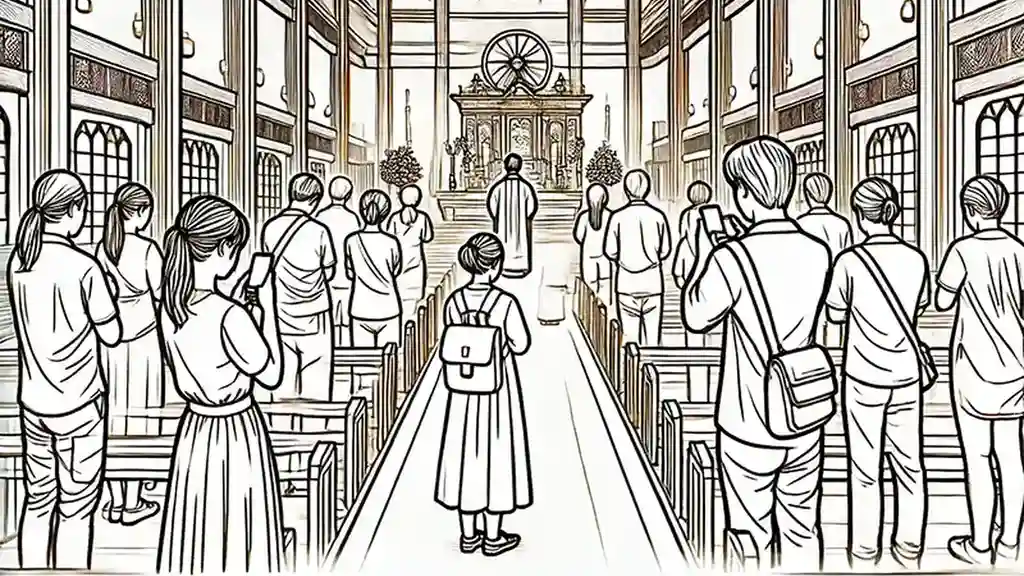
Religious sites are places of quiet contemplation for many. Keep your voice down, avoid loud conversations, and silence your phone. If you’re traveling with kids, try to keep them calm and quiet. It’s about respecting the spiritual atmosphere and not disturbing those who are there to worship or meditate.
- Whisper or Be Silent: Keep noise to an absolute minimum.
- Silence Your Phone: No one wants to hear your ringtone during a moment of prayer.
- Mind Your Children: Ensure they understand the need for quiet and respect.
Donation Etiquette and Supporting Local Communities
Many religious sites rely on donations for their upkeep and to support their communities. If there’s a donation box, and you’ve enjoyed your visit, a small contribution is a thoughtful gesture. However, be wary of anyone aggressively soliciting donations outside the official channels. Always ensure your donation goes to the legitimate organization.
- Voluntary Contributions: Donate if you feel moved to, but don't feel pressured.
- Official Channels: Use designated donation boxes or counters.
Specific Etiquette for Different Religious Sites
While the general rules are a great starting point, different faiths have their own unique customs. Knowing these can help you show even greater respect.
Mosques Islamic Places of Worship Etiquette
- Dress Code: Women must cover their heads, shoulders, and knees. Men should wear long pants and shirts.
- Footwear: Always remove your shoes before entering the prayer hall.
- Prayer Times: Avoid visiting during congregational prayer times (usually five times a day, check local schedules) as it can be disruptive. If you do visit during prayer, be extra quiet and stay out of the way.
- Gender Segregation: In many mosques, prayer areas are segregated by gender. Be mindful of these divisions.
- No Touching the Quran: Unless you are Muslim and have performed ablution, do not touch the Quran.
Temples Buddhist and Hindu Places of Worship Etiquette
- Dress Code: Shoulders and knees covered for everyone. Some Hindu temples might require men to remove their shirts in certain areas.
- Footwear: Remove shoes before entering the main temple area.
- Offerings: You might see devotees making offerings of flowers, incense, or food. It’s generally not expected for tourists to do so, but you can if you wish.
- Circumambulation: Many Buddhist and Hindu temples involve walking around a central shrine or stupa. This is usually done clockwise.
- Pointing: Avoid pointing your feet or fingers directly at statues of deities or monks.
- Monks: If you encounter monks, especially in Buddhist temples, women should avoid physical contact. It’s respectful to bow slightly when greeting them.
Churches and Cathedrals Christian Places of Worship Etiquette
- Dress Code: Generally, modest attire is appreciated – shoulders and knees covered. Some very traditional churches, especially in Southern Europe, might require women to cover their heads, but this is less common now.
- Silence: Maintain a quiet demeanor, especially during services.
- Services: If a service is in progress, you can usually sit quietly at the back, but avoid walking around or taking photos. If you’re not participating, it’s best to visit outside of service times.
- Communion: If you are not Christian, do not participate in communion.
Synagogues Jewish Places of Worship Etiquette
- Dress Code: Men are usually required to wear a head covering (kippah or yarmulke), which are often provided at the entrance. Women should dress modestly, covering shoulders and knees.
- Sabbath: Avoid visiting during the Sabbath (Friday sundown to Saturday sundown) unless you are specifically invited for a service.
- Gender Segregation: In Orthodox synagogues, men and women sit separately.
- Photography: Photography is generally discouraged, especially during services.
Recommended Products for Respectful Travel
Being prepared can make all the difference! Here are a few products that can help you adhere to religious site etiquette with ease and comfort.
Lightweight Scarf or Pashmina for Head Covering and Shoulder Coverage
This is arguably the most versatile item you can pack for visiting religious sites. A good quality, lightweight scarf can be used to cover your head, shoulders, or even as a makeshift skirt if your shorts are too short. It’s also great for keeping warm on a chilly evening or protecting you from the sun.
- Product Recommendation: Travelambo Women's Pashmina Scarf Wrap
- Use Case: Instant head covering for mosques or some churches, shoulder coverage for temples, or even a light blanket on a cold flight.
- Comparison: Cheaper scarves might be scratchy or too thin. More expensive ones might be too bulky. This one strikes a good balance of quality, weight, and price.
- Price: Around $15-$25 USD.
Slip On Shoes or Sandals for Easy Footwear Removal
Having shoes that are easy to take on and off will save you a lot of hassle and time, especially in places like Southeast Asia where you might be removing them multiple times a day. Plus, they’re often more comfortable for walking around in warm climates.
- Product Recommendation: Skechers GO WALK Arch Fit Grateful Slip-On Shoes (for women) / Skechers Men's Go Walk Max-Athletic Air Mesh Slip On Walking Shoe (for men)
- Use Case: Quick entry and exit from temples, mosques, and even some homes where shoe removal is customary.
- Comparison: Flip-flops are easy but offer less support. Lace-up sneakers are a pain. These offer comfort and convenience.
- Price: Around $50-$70 USD.
Compact Travel Socks for Barefoot Zones
If you’re not a fan of walking barefoot on public floors, a pair of compact, breathable socks can be a game-changer. They’ll keep your feet clean and comfortable, and you can easily slip them off and store them in your bag when you put your shoes back on.
- Product Recommendation: Bombas Ankle Socks (multi-pack)
- Use Case: Provides a barrier between your feet and the floor in shoe-free zones, adds comfort.
- Comparison: Regular cotton socks can get sweaty. These are designed for comfort and breathability.
- Price: Around $12-$15 USD per pair (often sold in multi-packs).
Portable Hand Sanitizer for Hygiene After Shoe Removal
After walking barefoot or touching surfaces in public areas, a small bottle of hand sanitizer is invaluable. It’s a quick and easy way to maintain hygiene, especially before you touch your face or eat.
- Product Recommendation: Purell Advanced Hand Sanitizer (travel size)
- Use Case: Quick hand cleaning after removing shoes, before eating, or after touching shared surfaces.
- Comparison: Generic brands might be less effective or have a strong alcohol smell. Purell is a trusted brand.
- Price: Around $3-$5 USD for a travel-sized bottle.
Small Backpack or Crossbody Bag for Essentials
A compact bag is perfect for carrying your scarf, water bottle, camera, and other essentials without being cumbersome. A crossbody bag keeps your hands free and your belongings secure.
- Product Recommendation: Osprey Daylite Sling (crossbody) / Fjallraven Kanken Mini (small backpack)
- Use Case: Carrying essentials like water, scarf, phone, and wallet while keeping hands free and belongings secure.
- Comparison: A large backpack can be inconvenient in crowded spaces. A small, secure bag is ideal.
- Price: Osprey Sling around $40-$50 USD, Fjallraven Kanken Mini around $70-$80 USD.
Final Thoughts on Respectful Cultural Immersion
Visiting religious sites is a privilege, not a right. By taking a few moments to understand and respect local customs, you not only ensure a more pleasant experience for yourself but also show appreciation for the culture you’re immersing yourself in. It’s about being a thoughtful and empathetic traveler, leaving a positive impression, and enriching your own journey with genuine cultural understanding. So go forth, explore, and be respectful!
:max_bytes(150000):strip_icc()/277019-baked-pork-chops-with-cream-of-mushroom-soup-DDMFS-beauty-4x3-BG-7505-5762b731cf30447d9cbbbbbf387beafa.jpg)