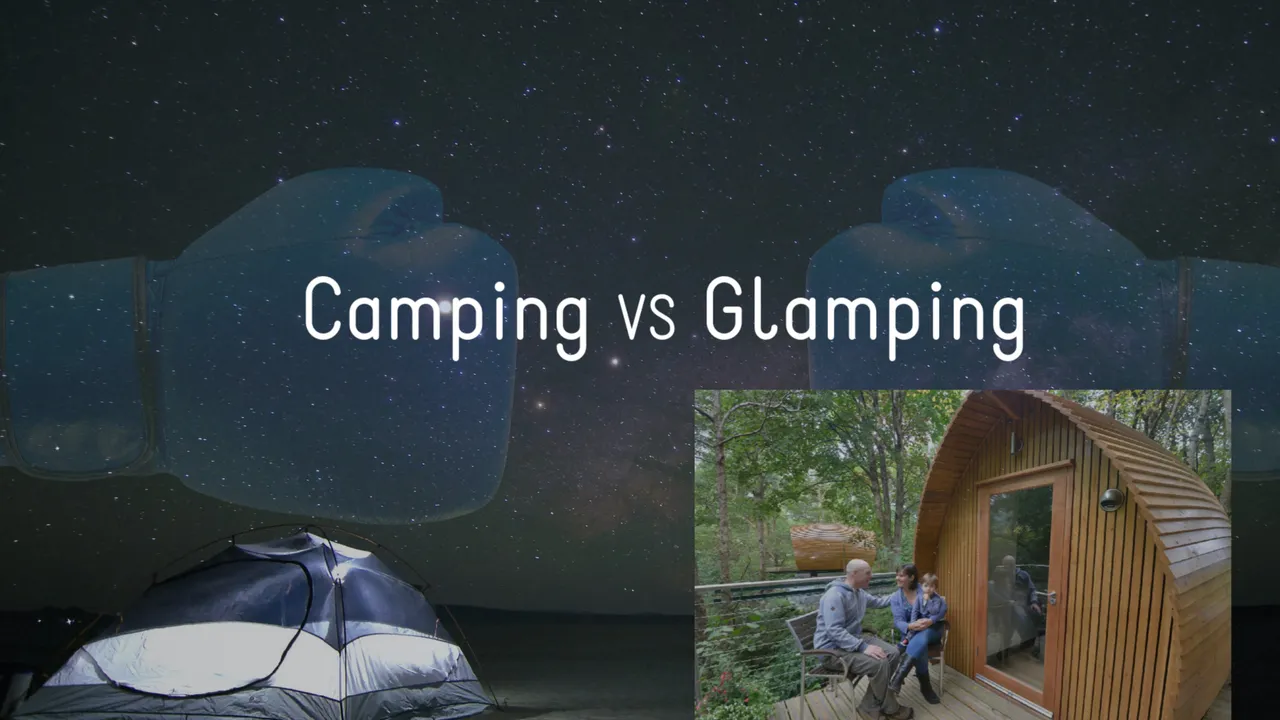
Decide between traditional camping and luxurious glamping. Explore the pros and cons of each outdoor accommodation.
Decide between traditional camping and luxurious glamping. Explore the pros and cons of each outdoor accommodation.
Comparing Camping vs Glamping Experiences
Camping vs Glamping Understanding the Core Differences
So, you're itching for an outdoor escape, but you're torn between roughing it in a tent and indulging in a more upscale nature retreat? You're not alone! The world of outdoor accommodation has expanded beyond just pitching a tent, and now 'glamping' offers a whole new dimension to experiencing nature. Let's dive deep into what sets traditional camping and glamping apart, helping you figure out which adventure style is your perfect match.
Traditional camping, at its heart, is about simplicity and self-reliance. It's about disconnecting from the everyday hustle and reconnecting with nature in its purest form. Think sleeping bags, campfires, cooking over an open flame, and embracing the elements. You're responsible for setting up your shelter, preparing your meals, and generally being self-sufficient. The beauty of camping lies in its raw authenticity and the sense of accomplishment that comes from living simply in the wilderness.
Glamping, on the other hand, is a portmanteau of 'glamorous camping.' It takes the essence of being outdoors and infuses it with comfort, convenience, and often, a touch of luxury. Imagine spacious tents with real beds, electricity, private bathrooms, and sometimes even air conditioning or heating. Glamping often includes amenities you'd typically find in a hotel, but set in a natural environment. It's designed for those who love the idea of nature but aren't quite ready to give up their creature comforts.
Traditional Camping The Back-to-Basics Outdoor Adventure
Traditional camping is an experience that many of us grew up with, or at least dreamed of. It's the quintessential outdoor adventure, offering a unique blend of challenge, freedom, and connection with the natural world.
The Appeal of Traditional Camping Embracing Simplicity and Nature
What draws people to traditional camping? For many, it's the allure of simplicity. Stripping away the complexities of modern life and focusing on basic needs can be incredibly liberating. There's a profound satisfaction in building your own fire, cooking a meal under the stars, and falling asleep to the sounds of nature. It fosters a sense of self-reliance and problem-solving skills that are often overlooked in our daily routines.
Another major draw is the deep connection to nature. Without the distractions of Wi-Fi or television, you're more attuned to your surroundings. You notice the rustle of leaves, the chirping of birds, and the scent of pine. It's an opportunity for genuine digital detox and a chance to truly unwind and de-stress.
Essential Gear for Traditional Camping What You Really Need
When it comes to traditional camping, your gear is crucial. It's about functionality, durability, and often, portability. Here's a breakdown of essential items and some product recommendations:
* Tent: Your primary shelter. Look for something waterproof, easy to set up, and appropriate for the number of people and expected weather conditions.
* Product Recommendation:Coleman Sundome Tent (4-Person). This tent is a classic for a reason. It's affordable, relatively easy to set up, and offers decent weather protection for casual campers. It features a simple dome design, good ventilation, and a rainfly. Price: Around $80-$120.
* Usage Scenario: Weekend camping trips with family or friends in mild to moderate weather. Great for beginners.
* Sleeping Bag: Essential for warmth and comfort. Choose a bag rated for the lowest temperature you expect to encounter.
* Product Recommendation:REI Co-op Down Time 25 Sleeping Bag. A versatile and comfortable sleeping bag suitable for three-season camping. It offers a good balance of warmth, packability, and price. Price: Around $150-$200.
* Usage Scenario: Spring, summer, and fall camping in various climates. Good for car camping or short backpacking trips.
* Sleeping Pad: Provides insulation from the cold ground and adds comfort. Options range from simple foam pads to inflatable air mattresses.
* Product Recommendation:Therm-a-Rest Z Lite Sol Sleeping Pad. A lightweight, durable, and affordable closed-cell foam pad. It's virtually indestructible and provides good insulation. Price: Around $40-$50.
* Usage Scenario: Backpacking, minimalist camping, or as an extra layer of insulation under an inflatable pad.
* Cooking System: A portable stove, fuel, and basic cookware.
* Product Recommendation:MSR PocketRocket 2 Stove Kit. This ultralight and compact stove is perfect for backpackers and car campers alike. It boils water quickly and is very reliable. The kit often includes a small pot and bowl. Price: Around $80-$100.
* Usage Scenario: Preparing simple meals like dehydrated food, coffee, or instant noodles. Ideal for those who prioritize lightweight gear.
* Headlamp/Lantern: For navigating in the dark.
* Product Recommendation:Black Diamond Spot 400 Headlamp. A powerful and versatile headlamp with multiple lighting modes, including red light for preserving night vision. It's durable and water-resistant. Price: Around $40-$50.
* Usage Scenario: All general camping activities, from setting up camp in the dark to reading in your tent.
* First-Aid Kit: Always essential for minor injuries.
* Product Recommendation:Adventure Medical Kits .7 Ultralight Watertight Medical Kit. A compact and comprehensive kit for one to two people on trips up to four days. It's lightweight and comes in a waterproof bag. Price: Around $25-$35.
* Usage Scenario: Essential for any outdoor activity, providing basic care for cuts, scrapes, and blisters.
Pros and Cons of Traditional Camping Weighing Your Options
Pros:
* Cost-Effective: Generally much cheaper than glamping or hotel stays, especially after the initial gear investment.
* Authentic Nature Experience: Offers a raw, unfiltered connection with the outdoors.
* Skill Building: Develops self-reliance, problem-solving, and outdoor survival skills.
* Flexibility: More freedom to choose your campsite (where permitted) and itinerary.
* Sense of Accomplishment: The satisfaction of setting up camp and living off the land.
Cons:
* Less Comfortable: Can involve sleeping on the ground, dealing with insects, and unpredictable weather.
* Requires More Effort: Setting up camp, cooking, and packing can be physically demanding.
* Gear Investment: Initial cost of purchasing quality camping gear can be significant.
* Weather Dependent: Can be less enjoyable in adverse weather conditions.
* Limited Amenities: Often no electricity, running water, or private bathrooms.
Glamping The Luxurious Side of Outdoor Living
If the thought of sleeping on the ground or battling mosquitoes fills you with dread, but you still crave the beauty of nature, glamping might be your perfect compromise. It's about experiencing the great outdoors without sacrificing comfort or style.
The Allure of Glamping Comfort Meets Wilderness
Glamping appeals to a wide range of travelers, from those new to outdoor adventures to seasoned campers looking for a more relaxed experience. The primary draw is the blend of comfort and nature. You get to wake up to stunning views, breathe fresh air, and enjoy the tranquility of the wilderness, all while having access to amenities like a comfortable bed, heating/cooling, and often, gourmet meals.
It's also a fantastic option for special occasions, romantic getaways, or family trips where some members might not be keen on traditional camping. Glamping sites often offer unique accommodations like yurts, safari tents, treehouses, or even geodesic domes, providing a memorable and Instagram-worthy experience.
Typical Glamping Accommodations and Amenities What to Expect
Glamping setups vary widely, but here's a look at common types and what amenities you can typically expect:
* Safari Tents: Large, canvas tents often with multiple rooms, real beds, furniture, and sometimes a private deck or patio.
* Amenities: Real beds (queen or king), linens, electricity, lighting, sometimes a private bathroom with hot shower and flush toilet, heating/AC, mini-fridge.
* Yurts: Round, portable tent-like structures originating from Central Asia. They offer a cozy and unique space.
* Amenities: Similar to safari tents, often with a skylight, wood-burning stove, and comfortable furnishings.
* Treehouses: Elevated structures offering unique perspectives and a sense of childhood wonder.
* Amenities: Can range from rustic to extremely luxurious, often including full kitchens, bathrooms, and stunning views.
* Geodesic Domes: Modern, often transparent domes that offer panoramic views of the surroundings.
* Amenities: High-end furnishings, climate control, private bathrooms, and often telescopes for stargazing.
* Cabins/Tiny Homes: Small, well-appointed structures that bridge the gap between a tent and a traditional house.
* Amenities: Full kitchens, bathrooms, living areas, and often outdoor fire pits or hot tubs.
Product Recommendations for Enhanced Glamping Experiences
While glamping sites usually provide most of what you need, there are a few items you might consider bringing to elevate your experience, especially if you're doing a DIY glamping setup or want to add a personal touch.
* Portable Projector: For outdoor movie nights under the stars.
* Product Recommendation:Anker Nebula Capsule II Smart Portable Projector. This compact projector delivers a surprisingly bright and clear image, has built-in Android TV, and a decent speaker. It's battery-powered, making it perfect for outdoor use. Price: Around $500-$600.
* Usage Scenario: Projecting movies onto the side of your glamping tent or a portable screen for a unique entertainment experience.
* Portable Espresso Maker: For gourmet coffee in the wilderness.
* Product Recommendation:Wacaco Minipresso GR Portable Espresso Maker. This hand-powered espresso maker is incredibly compact and allows you to brew a rich shot of espresso anywhere. Just add hot water and ground coffee. Price: Around $50-$60.
* Usage Scenario: Enjoying a high-quality coffee experience without needing electricity, perfect for a luxurious morning in nature.
* High-Quality Cooler: To keep your gourmet food and drinks perfectly chilled.
* Product Recommendation:YETI Tundra 45 Cooler. While pricey, YETI coolers are renowned for their superior insulation and durability, keeping ice for days. It's built to last and can double as a seat. Price: Around $325-$375.
* Usage Scenario: Storing premium ingredients for glamping meals, keeping craft beers or wine chilled, or for longer glamping trips where ice retention is crucial.
Pros and Cons of Glamping Weighing Your Options
Pros:
* Comfort and Convenience: Enjoy real beds, private bathrooms, and often climate control.
* Unique Experiences: Stay in distinctive accommodations like yurts, treehouses, or domes.
* Accessibility: Great for those who want to experience nature without the physical demands of traditional camping.
* Amenities: Often includes prepared meals, guided activities, and other hotel-like services.
* Less Gear Required: You typically don't need to bring much beyond personal items.
Cons:
* Higher Cost: Significantly more expensive than traditional camping, often comparable to hotel prices.
* Less Authentic: Some argue it detracts from the 'true' wilderness experience.
* Less Flexibility: You're usually tied to a specific site and its rules/schedule.
* Can Be Crowded: Popular glamping sites can feel less secluded than traditional campsites.
* Environmental Impact: Some glamping sites, especially those with extensive amenities, can have a larger environmental footprint.
Choosing Your Outdoor Adventure Style Camping or Glamping
So, how do you decide between pitching a tent and indulging in a luxurious canvas retreat? It really boils down to your personal preferences, budget, and what you hope to get out of your outdoor experience.
Budget Considerations Camping vs Glamping Costs
Traditional Camping: The initial investment in gear can be substantial (tents, sleeping bags, stoves, etc.), potentially ranging from $500 to $1500+ for a decent setup. However, once you have the gear, campsite fees are typically very low, often $10-$50 per night. This makes it a very cost-effective option for frequent travelers.
Glamping: Glamping eliminates the need for personal gear investment, but the nightly rates are much higher. Expect to pay anywhere from $100 to $500+ per night, depending on the location, type of accommodation, and included amenities. While it's a higher upfront cost per night, it can be a good value if you only go outdoors occasionally and don't want to buy and store gear.
Comfort Levels and Amenities What You Prioritize
If a good night's sleep on a real mattress, a hot shower, and access to electricity are non-negotiable for you, glamping is likely the better choice. It offers a level of comfort that traditional camping simply cannot match. If you're someone who enjoys the challenge of roughing it, doesn't mind a bit of dirt, and finds joy in the simplicity of a sleeping bag under the stars, then traditional camping will be more fulfilling.
Desired Level of Immersion in Nature How Close Do You Want to Be
Traditional camping offers a more immersive, raw experience of nature. You're directly exposed to the elements, and the focus is on living simply within the natural environment. Glamping, while still set in nature, often provides a buffer. You're observing nature from a comfortable distance, with many of the conveniences of home. If you want to feel truly 'one with nature,' camping is the way to go. If you prefer a scenic backdrop to your comfortable stay, glamping fits the bill.
Skill Set and Experience Are You Ready to Rough It
Traditional camping requires a certain level of outdoor skills: setting up a tent, building a fire, cooking outdoors, and being prepared for various weather conditions. If you're new to the outdoors or prefer a more hands-off approach, glamping is a fantastic entry point. It allows you to enjoy the beauty of nature without needing extensive outdoor expertise.
Group Dynamics and Occasion Who Are You Traveling With
Consider who you're traveling with. For families with very young children or older relatives who might struggle with the rigors of traditional camping, glamping can be a much more comfortable and enjoyable option. For a romantic getaway, the unique and luxurious settings of glamping can add a special touch. For a group of adventurous friends looking for a challenge, traditional camping might be more appealing.
Ultimately, both camping and glamping offer incredible ways to experience the outdoors. There's no single 'better' option; it's all about finding the adventure that best suits your style, needs, and desires. Whether you choose the rugged simplicity of a tent or the pampered luxury of a safari tent, the most important thing is to get out there and enjoy the beauty of nature.
:max_bytes(150000):strip_icc()/277019-baked-pork-chops-with-cream-of-mushroom-soup-DDMFS-beauty-4x3-BG-7505-5762b731cf30447d9cbbbbbf387beafa.jpg)